The House Republicans have introduced legislation to authorize the transfer of millions of federal student loan accounts from the Department of Education to the Treasury Department. This would formalize the Trump administration’s initiative to reduce the Education Department’s role in managing student debt.
Key Details
This proposal is one of ten recently unveiled bills by House Republicans. These measures aim to redistribute certain responsibilities away from the Department of Education and toward other federal agencies.
Impact on Borrowers
The proposal could impact over 40 million Americans with federal student loans. The government’s $1.7 trillion student loan portfolio would undergo significant changes. Borrowers are left questioning who will manage their loans and how their repayment plans will change. Concerns also exist about whether the Treasury has the necessary infrastructure to oversee millions of student loans.
Implementation Phases
The transfer of student loans from the Education Department to the Treasury is expected to take place in stages.
The initial phase will focus on borrowers who have defaulted on their loans. According to an agreement released in March, the Treasury Department would take charge of collecting these debts. The gradual transition would eventually encompass non-defaulted loans as well. This legislation aims to codify the plan previously arranged by the agencies.
Alex Beene, a financial literacy instructor at the University of Tennessee at Martin, noted that the shift is not intended to erase student loans or reduce what is owed. Instead, operational responsibility for servicing and collection would shift from the Education Department to the Treasury, starting with defaulted loans.
Statements from Key Figures
House Education and Workforce Committee Chairman Tim Walberg explained that these bills aim to streamline operations by transferring responsibilities to agencies considered better suited to handle them. He emphasized removing bureaucracy between families and essential services.
Expectations for Borrowers
Borrowers will not face immediate changes to their payment methods. Officials assured that those with existing loan servicers will continue making payments in the same manner during the transition. The first affected will likely be those with defaulted loans.
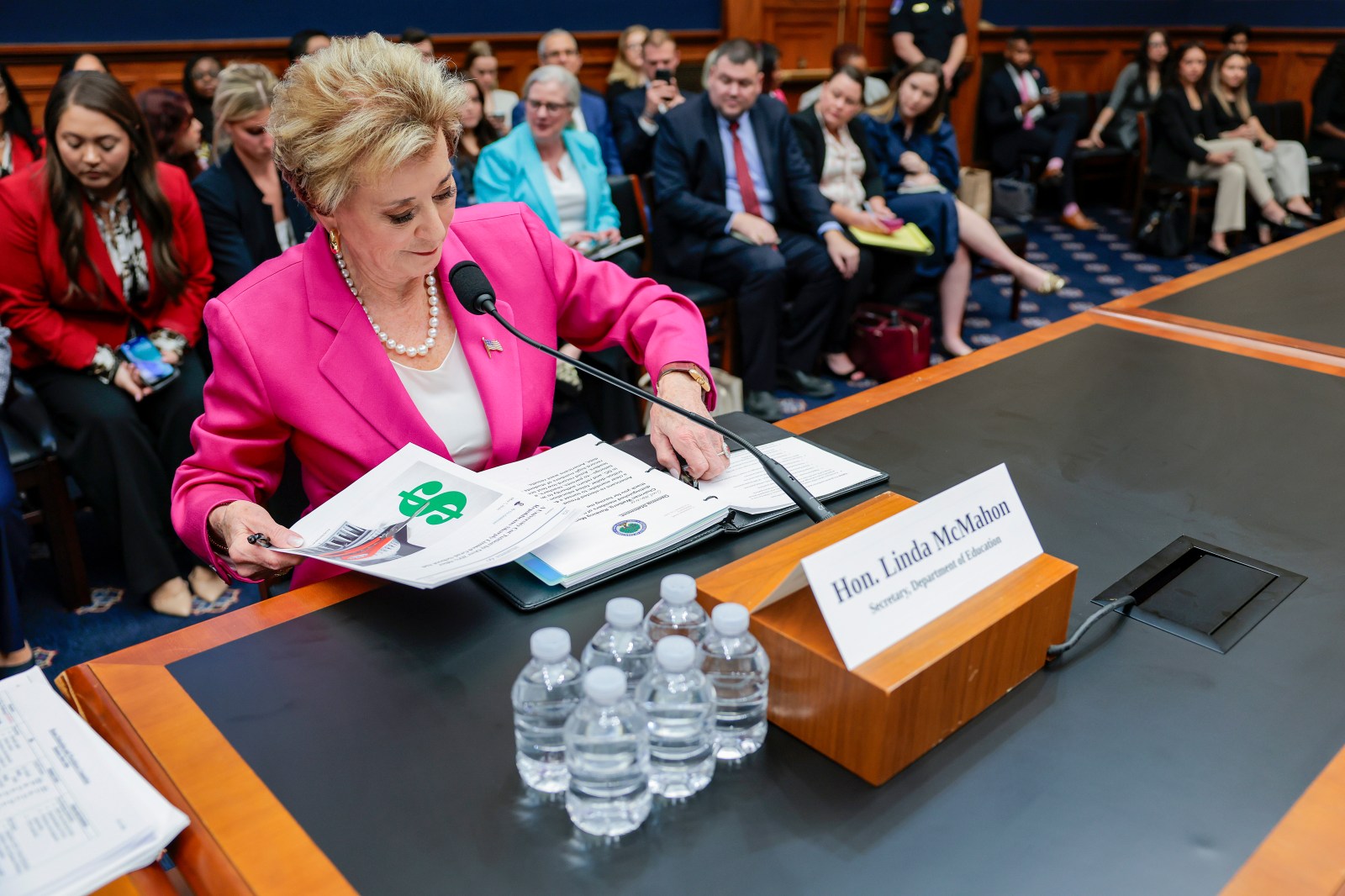
The Treasury has been preparing to take on responsibility for defaulted loans, which the Trump administration suggested could enhance collections and improve taxpayer accountability. Education Secretary Linda McMahon admitted the department had fallen short in managing federal student loan programs. Treasury Secretary Scott Bessent contended that the Treasury possesses the capabilities needed to enforce financial discipline in these programs.
Potential Challenges
Not everyone agrees that moving student loans to the Treasury will result in improvement. Doubts persist about whether the Treasury can manage the complexities of repayment and forgiveness programs traditionally handled by the Education Department. There is also a risk of further complications leading to damaged credit and delayed relief. Legal challenges may arise since federal law places responsibility for student aid programs with the Education Department.
Scope of Impact
Currently, the federal government oversees approximately $1.7 trillion in student debt. Defaulted loans constitute about $180 billion or 11 percent of this portfolio. More than 40 million Americans hold federal student loans, and shifting responsibilities could bring significant changes for these borrowers.
Next Steps
The proposal must progress through Congress before becoming law. Regardless, the Trump administration is proceeding with preparations under the existing agreement between the Education and Treasury departments.
Leave a Reply