In the early days of Russia’s 2022 invasion of Ukraine, Western focus was on providing Ukraine with artillery and tanks to counteract Russian advances. Four years into the conflict, the fight has shifted significantly. According to Ukraine’s President Volodymyr Zelensky, the war has evolved into a crucial aerial battle. This shift in dynamics is significant for Western allies as well.
The ground war has reached an impasse. Russia continues its attempts to control Ukrainian regions, but progress is slow and costly. Reports from June indicated that Ukraine inflicted high casualties on Russian forces, with nearly 40,000 Russian troops dead or injured in that month alone. This attrition rate has risen sharply from the previous year, illustrating Ukraine’s growing effectiveness in resisting advances.
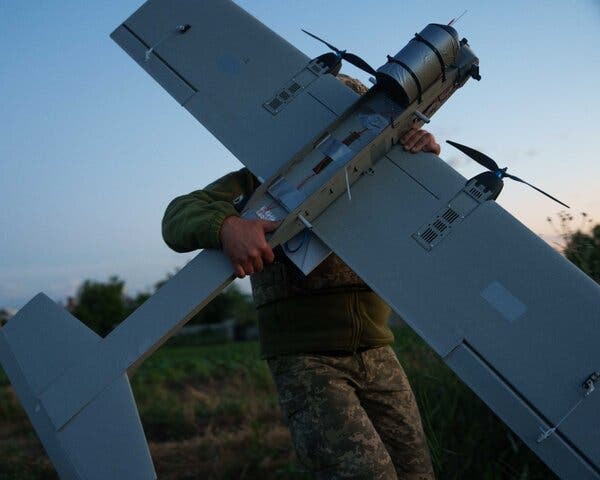
In contrast, the aerial conflict is a relentless battle marked by destruction. Russia launches repeated drone, cruise, and ballistic missile assaults on Ukraine. In response, Ukraine utilizes advanced drones with extended ranges to push Russia’s naval forces from the Black Sea, disrupt resources in Russian-occupied Crimea, and target critical infrastructure deeper within Russia. This has resulted in fuel shortages and visible damage within Russian borders.
President Zelensky, in an interview, emphasized the importance of aerial power in the ongoing conflict. Control of the skies can be more decisive than territorial gains. He stressed the need for defenses to counter Russian missile attacks effectively. However, resources are limited. Following the United States’ previous deployment of critical missiles against Iran, including the valuable Patriot interceptors, Ukraine is left with insufficient reserves. During a recent intense attack, Ukraine managed to intercept drones and cruise missiles but lacked enough interceptors for ballistic missiles. Intelligence reports suggest that Russia is producing around 60 Iskander missiles monthly, compounding the challenge for Ukraine’s defenses.
The aerial conflict illustrates the ongoing strain and adaptation required by both sides as the war continues. This situation unfolds as Ukraine faces the challenge of maintaining its defenses with limited resources.
Leave a Reply