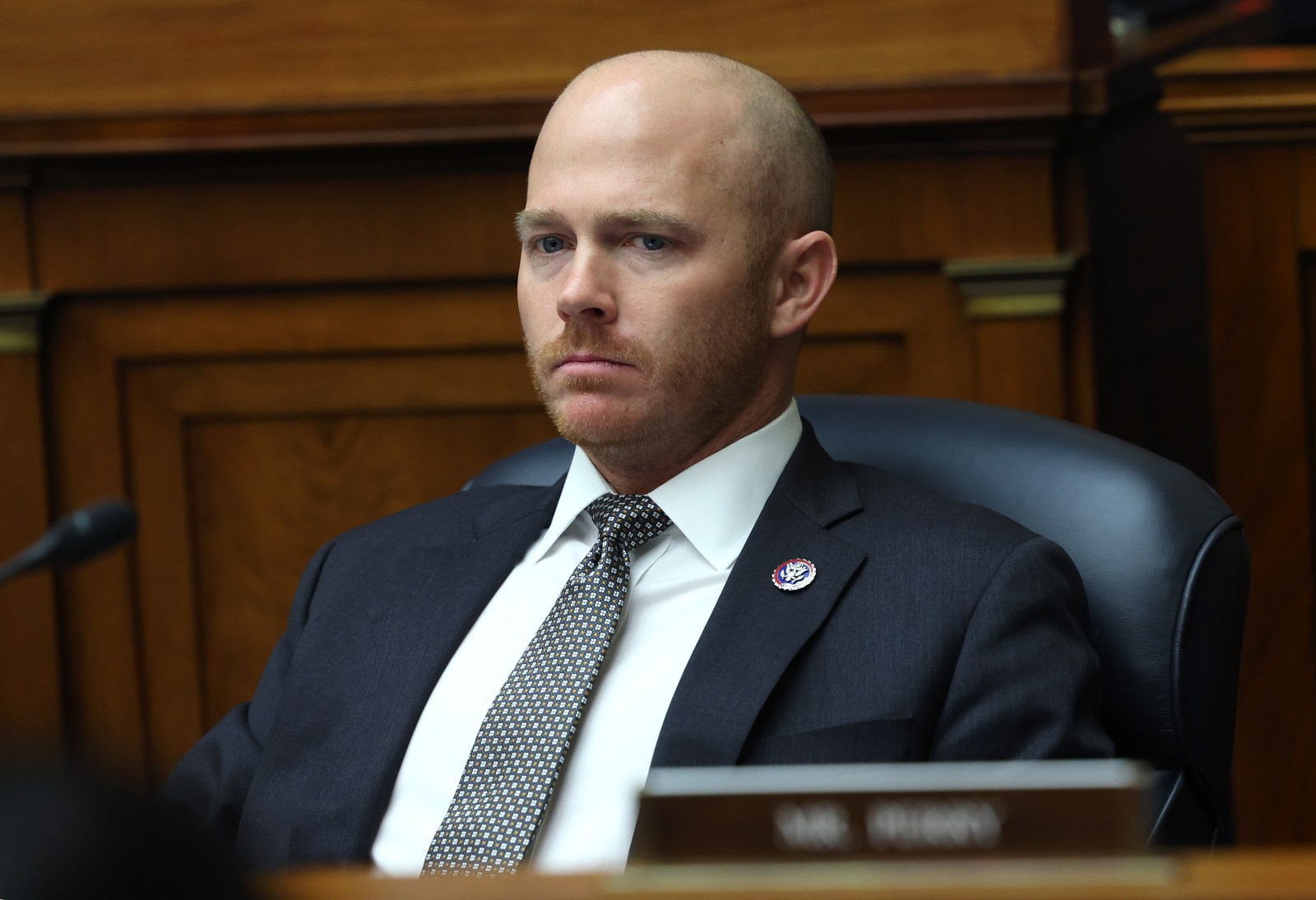
South Carolina Republican U.S. Representative William Timmons has responded to speculation about his potential candidacy for the U.S. Senate seat vacated by Senator Lindsey Graham’s sudden death at 71.
Clarifying Political Intentions
On X, Timmons, aged 42, clarified his political future. He also expressed that fellow Republican U.S. Representatives Nancy Mace and Ralph Norman from South Carolina do not have his support to succeed Graham. Timmons stated, “Unless the South Carolina General Assembly changes state law, any current member of Congress already on the ballot for reelection who is elected to replace Senator Graham would leave their House seat vacant on January 3, 2027.”
He continued, “I have told Speaker Mike Johnson that I will not do anything that increases the number of votes he must secure to be reelected Speaker in January.” Timmons emphasized the importance of a Republican House majority over personal political aspirations.
Further, he clearly expressed, “I cannot support Ralph Norman or Nancy Mace as Senator Lindsey Graham’s successor. This is not personal. It is about what South Carolina deserves. Senator Graham’s seat should not simply be filled. His legacy should be honored.”
Political Landscape in South Carolina
Speculation is rising around what is poised to be one of South Carolina’s most scrutinized political contests. According to state law, GOP Governor Henry McMaster appointed Graham’s sister, Darline Graham, to complete the remainder of Graham’s Senate term. A special Republican primary will decide the party’s nominee for the November general election.
Darline Graham was sworn in on Tuesday with the endorsement of President Donald Trump. While Timmons has distanced himself from immediate speculation, notable Republicans such as Mace and Norman, Lieutenant Governor Pamela Evette, and others are seen as likely contenders.
The Republican nominee is predicted to have a strong lead in the fundamentally conservative state, marking the GOP primary as the focal race. South Carolina law stipulates that a nominee’s death triggers a special-election process. Candidate filing will occur from July 21 to July 28, with the Republican special primary scheduled for August 11, possibly followed by a runoff on August 25. The general election is slated for November 3.
Party Dynamics and Leadership Implications
According to Florida Atlantic University political professor Craig Agranoff, stepping aside to support Speaker Johnson’s narrow majority reflects a party-first approach. Agranoff noted reservations in GOP circles about Mace and Norman’s capability to continue Graham’s legacy of practical, cooperative conservatism.
Agranoff stated later, “Republicans will be looking for someone who can unify the different factions quickly rather than reopen old wounds from the recent governor’s race.” Potential candidates, including Lieutenant Governor Pamela Evette and businessman Mark Lynch, are already being discussed. The correct choice is crucial to avoid unnecessary complications given the tight timeline.
Newsweek reached out to Mace and Norman’s offices but did not receive immediate responses.
Contact Newsweek editors on this story: Edward T. Cummins.
Leave a Reply