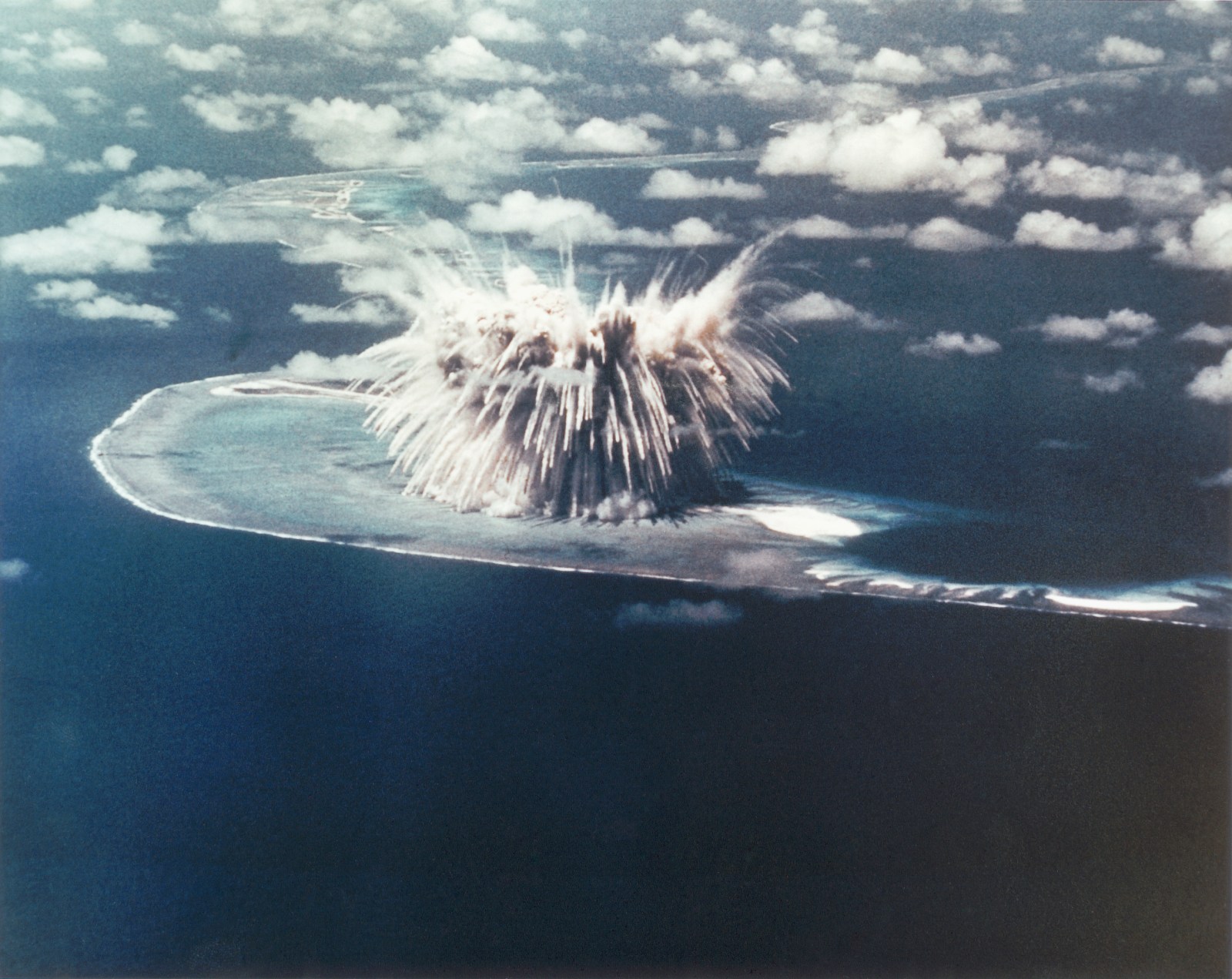
Veterans who participated in nuclear cleanup operations during the Cold War could soon be eligible for a federal payment of up to $150,000. This is part of the newly proposed Radiation Exposure Reauthorization Act of 2026. The Act aims to expand compensation for Americans exposed to radiation due to the U.S. nuclear weapons program.
Expanded Eligibility
The bill seeks to extend the Radiation Exposure Compensation Act (RECA) to include veterans involved in cleanup missions at Enewetak Atoll in the Marshall Islands, Palomares in Spain, and Thule in Greenland. These sites experienced nuclear accidents or weapons testing that resulted in radioactive contamination.
“The proposal would change RECA eligibility to reflect the realities of U.S. atomic weapons testing,” said Representative James Moylan, a Republican from Guam and the sponsor of the bill.
Why It Matters
Veterans affected by these missions were exposed to dangerous radiation levels but have largely been excluded from existing federal compensation programs. Many service members have battled cancers, heart disease, bone disorders, and other illnesses linked to those missions. The proposal would significantly increase the maximum RECA payment from $75,000 to $150,000. It would also cover additional cancers and illnesses and extend the compensation filing deadline to December 31, 2042.
Details of the Proposal
- Eligibility for RECA benefits will be extended to veterans involved in cleanup operations at Enewetak Atoll, Palomares, and Thule.
- Compensation payments will rise to $150,000.
- More cancers and illnesses will qualify for compensation.
- The deadline for filing compensation claims will be extended.
“We now realize these civilians and veterans have been overlooked for benefits,” said Drew Powers from Powers Financial Group.
Targeted Veterans
The bill focuses on veterans involved in major cleanup operations:
- Enewetak Atoll: Hosted 43 U.S. nuclear tests between 1948 and 1958, including the first hydrogen bomb detonation. Military personnel removed radioactive debris and contained waste in the late 1970s.
- Palomares, Spain: Service members conducted cleanup after a hydrogen bomb accident in 1966.
- Thule, Greenland: Crews cleaned up after a 1968 crash involving a nuclear-armed B-52 bomber.
The PACT Act earlier recognized radiation exposure in veterans from these locations for VA disability claims but excluded them from RECA compensation.
“This bill would expand presumptive conditions for atomic veterans,” said Michael Ryan, founder of MichaelRyanMoney.com.
Potential Number of Beneficiaries
The estimated number of veterans eligible for this compensation is small. Keith Keifer from the National Association of Atomic Veterans estimates fewer than 6,000 participated across the three sites, with only several hundred still alive. Fewer than 400 surviving veterans from the Enewetak mission have been identified.
“The bill would remove one of the biggest hurdles these veterans face today: proving the exact radiation exposure,” said Kevin Thompson, CEO of 9i Capital Group.
Potential Challenges
The bill is expected to be introduced soon in Congress, requiring bipartisan support. The RECA program has paid over $2.6 billion to 41,000 claimants since its creation. However, with ongoing debates about other veterans’ bills, this legislation faces challenges.
“Every dollar is hotly contested, even for veterans,” stated Drew Powers.
Leave a Reply