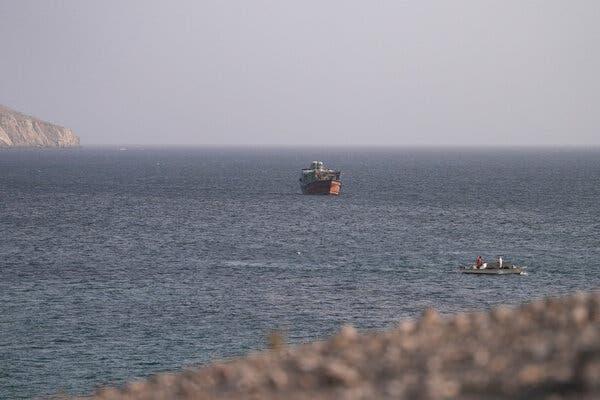
The first full day of the U.S. naval blockade of Iran saw significant changes in maritime activity within the Strait of Hormuz. Just 13 ships managed to navigate the strait on Wednesday, a marked decrease from the 21 ships logged the day before. The reduction highlights the impact of the blockade on shipping routes.
Kpler, a maritime data firm, reported the decline in traffic through this vital waterway. Many of the ships adhered to the routes mandated by Tehran, passing through Iranian waters. However, the blockade threatens to weaken Iran’s influence over the strait and reduce its ability to control traffic and revenue from oil sales.
On Wednesday, U.S. Central Command intercepted two ships attempting to cross the blockade. Among the 13 ships that traversed the strait, five were sanctioned vessels, according to Kpler. The situation is complicated by the fact that some ships have their tracking devices turned off, obscuring their routes and complicating efforts to obtain a complete picture of the maritime activities.
These covert tactics hinder immediate tracking of ships’ final destinations after passing through the strait. The ongoing conflict between Iran and the United States, now in its sixth day, creates further uncertainties for shippers trying to transport oil and gas. This is a stark contrast to the pre-war period, when over 130 vessels typically passed through daily.
Leave a Reply