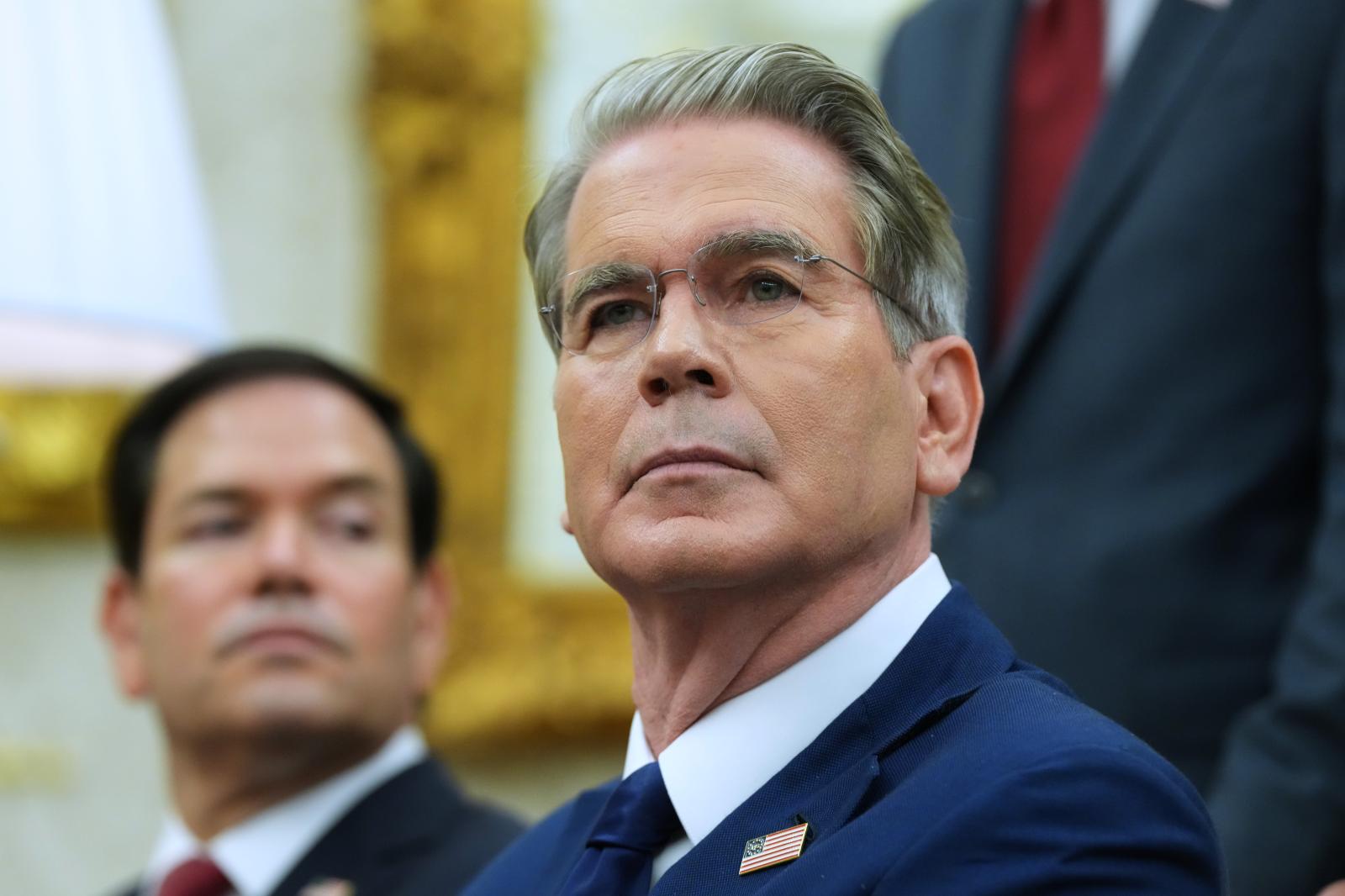
Amidst escalating political violence and threats against U.S. officials, Treasury Secretary Scott Bessent reminded the public of the assassination attempt he faced shortly after his swearing-in. He mentioned this during a State Department Ministerial on Political Terrorism, stating, ‘I was the subject of an assassination attempt by an addled left-wing activist two hours after being sworn into my job.’
Bessent referred to an incident involving Ryan Michael English, a Massachusetts man who traveled to the U.S. Capitol with Molotov cocktails and a knife on the day of Bessent’s Senate confirmation vote, intending to kill him or another federal target. English was arrested and is set for sentencing next month. Bessent also spoke about enhancing the Treasury’s efforts under President Trump’s direction to uncover charities and nonprofits financing political terrorism.
“Violence requires money, channels through which funding can move, and institutions behind which it can hide.”
The broader trend sees increasing threats against elected officials, judges, and public servants. The Carnegie Endowment for International Peace found nearly nine in ten state legislators faced threats or attacks between 2021 and 2024, emphasizing political violence as a persistent element in American politics.
Details of the Assassination Plot Against Bessent
English, 24, was charged with weapons-related offenses after intending to target Bessent on his confirmation day. He approached Capitol Police, confessed his intentions, and was found with a note explaining his motives.
English’s sentencing in August follows his guilty plea to federal charges. This reflects a larger pattern of rising violence against U.S. political figures, evidenced by the targeting of figures like President Donald Trump.
Increasing Political Violence Nationwide
Since 2020, the U.S. has seen a rise in political violence and threats. The U.S. Marshals Service reported increased threats against federal judges, with 564 last year, a rise from 509 the previous year.
Experts attribute this increase to factors such as political polarization, declining trust in institutions, misinformation, and hostile rhetoric. Threats against various political figures continue to increase, affecting not only the individuals but often extending to their families.
Examples of Political Violence
- Trump Assassination Attempts: Two attempts during his 2024 presidential campaign highlighted security concerns for high-profile figures.
- Supreme Court Justices Targeted: Justice Amy Coney Barrett experienced a swatting incident while Brett Kavanaugh faced a direct threat with an assailant at his home.
- Election Officials: A surge in threats against election workers post-2020 election led to resignations and the formation of the DOJ’s Election Threats Task Force.
Incidents involving figures like former Transportation Secretary Pete Buttigieg, whose family was subjected to a false CPS report, highlight how threats extend beyond physical violence to include tactics like swatting and false reports.
Security Concerns for State Officials
The violent acts in Minnesota against lawmakers Hortman and Hoffman emphasized the vulnerabilities of state and local officials. Boelter, responsible for these acts, was charged with politically motivated crimes, underscoring heightened risks for those outside federal protection.
These events illustrate a troubling trend in political violence and threats, raising questions about safety and security measures for public officials in the U.S.
Leave a Reply