Appeal Court Decision
In a significant ruling, the U.S. Court of Appeals for the Second Circuit has ordered the release of Raheem Fulton, a Jamaican national held by Immigration and Customs Enforcement (ICE), due to his severe medical condition. The court’s 2-1 decision found that Fulton’s life-threatening end-stage kidney disease and unresolved legal issues justify his release while his appeal is under consideration.
Concerns About Medical Care in ICE Detention
The decision highlights ongoing concerns about healthcare in ICE custody. Issues include access to suitable treatment, assurance of continued care, and management of vulnerable individuals facing deportation. The Department of Homeland Security (DHS) argues that all detainees receive necessary medical care and that existing protocols are followed to address their health requirements.
A prior incident involved a Costa Rican man deported in a vegetative state after being detained by ICE, ending in his death post-deportation. His family accused improper medication and care, though DHS maintained he received proper treatment, noting he did not die while in ICE custody.
The Court’s Rational for Fulton’s Release
Fulton’s case met the rigorous standard for bail during the resolution of a habeas corpus appeal. Habeas corpus allows detainees to challenge the legality of their detention and, under certain conditions, seek relief. The majority concluded that Fulton’s petition raises substantial legal questions and extraordinary circumstances necessitate release to ensure an effective habeas corpus remedy.
“Fulton demonstrated that his petition raises substantial claims and extraordinary circumstances warrant bail to render the habeas remedy effective,” wrote the majority.
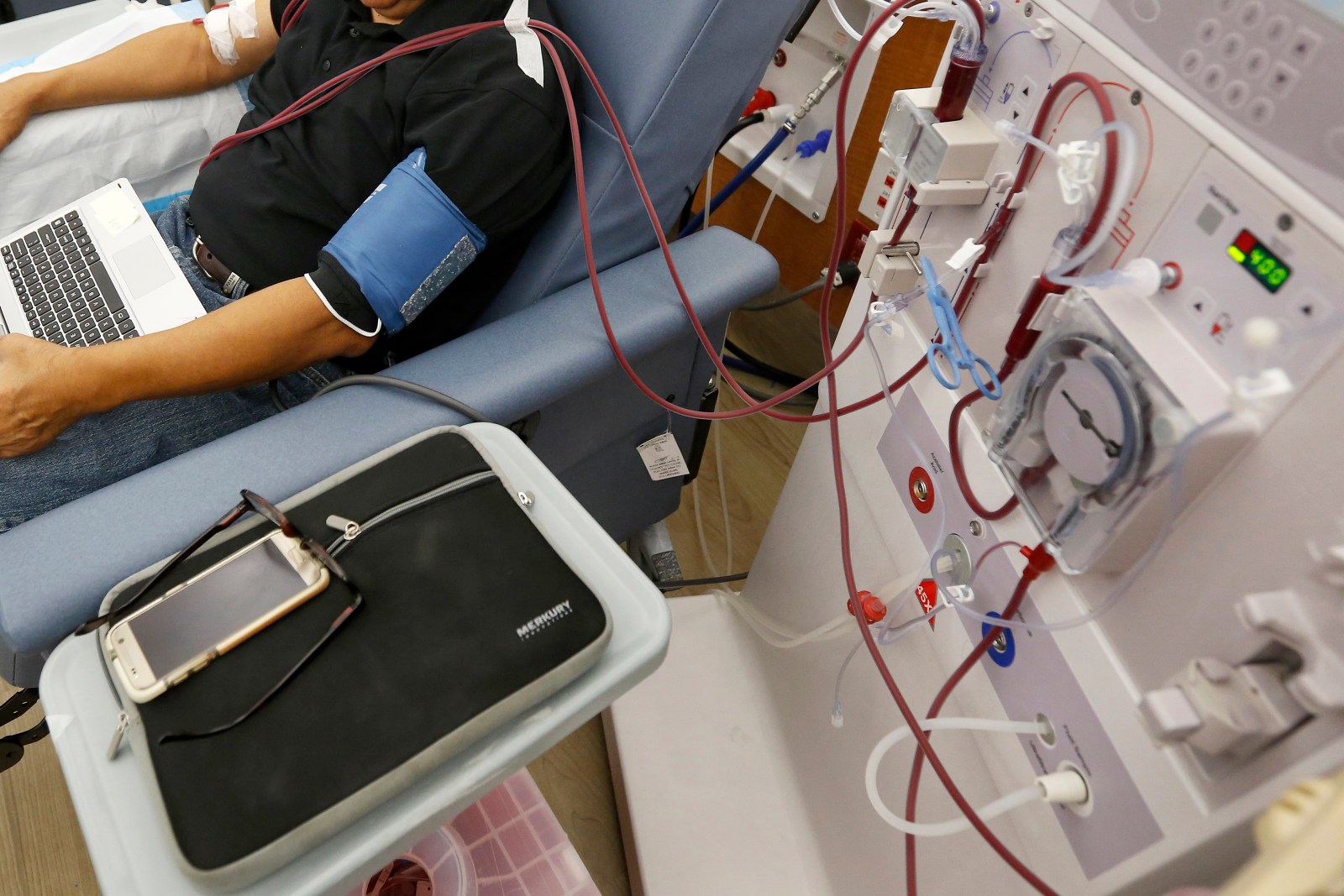
Fulton, requiring regular dialysis, claims insufficient medical planning before deportation to Jamaica. The majority referenced a prior panel finding that the district court improperly dismissed his request concerning his critical medical condition.
Evidence showed a life-threatening incident in ICE custody due to missed dialysis appointments. ICE declined a kidney-transplant evaluation, despite medical referrals. The government did not argue that Fulton posed a flight risk or community danger.
The court dismissed arguments suggesting Fulton’s detention could end via deportation, equating deportation without dialysis to a death sentence without arrangements for post-deportation medical care.
ICE’s Stance on Medical Arrangements
The ruling arises from a dispute over government obligations in deporting immigrants with severe medical issues. Fulton claims federal officials must ensure continued medical treatment prior to deportation. This claim’s merits await court decision.
Judge Steven Menashi dissented, stating Fulton failed to qualify for release during habeas proceedings. Menashi noted coordination with Jamaican authorities ensured post-deportation dialysis. U.S. officials and Jamaica’s Ministry of Health confirmed treatment availability.
“Fulton remains in custody due to his own request for the courts to delay his removal,” Menashi wrote.
Menashi argued the case centered around additional assurances about medical care post-deportation, not whether Fulton receives adequate treatment while detained.
The majority, however, stated the severity of Fulton’s medical condition and pending legal issues justified his release during appeal consideration.
The court advised both parties to agree on release conditions or return to the panel if disputes arise.
Implications for Deportation Care
This decision could influence federal courts’ willingness to approve release for detainees with life-threatening conditions pending legal challenges. While not resolving the core dispute, the appeal might influence ICE’s responsibilities in arranging medical continuity before deporting seriously ill individuals.
A potential favorable ruling for Fulton might affect future ICE practices concerning detainees needing ongoing, life-sustaining treatment.
Leave a Reply