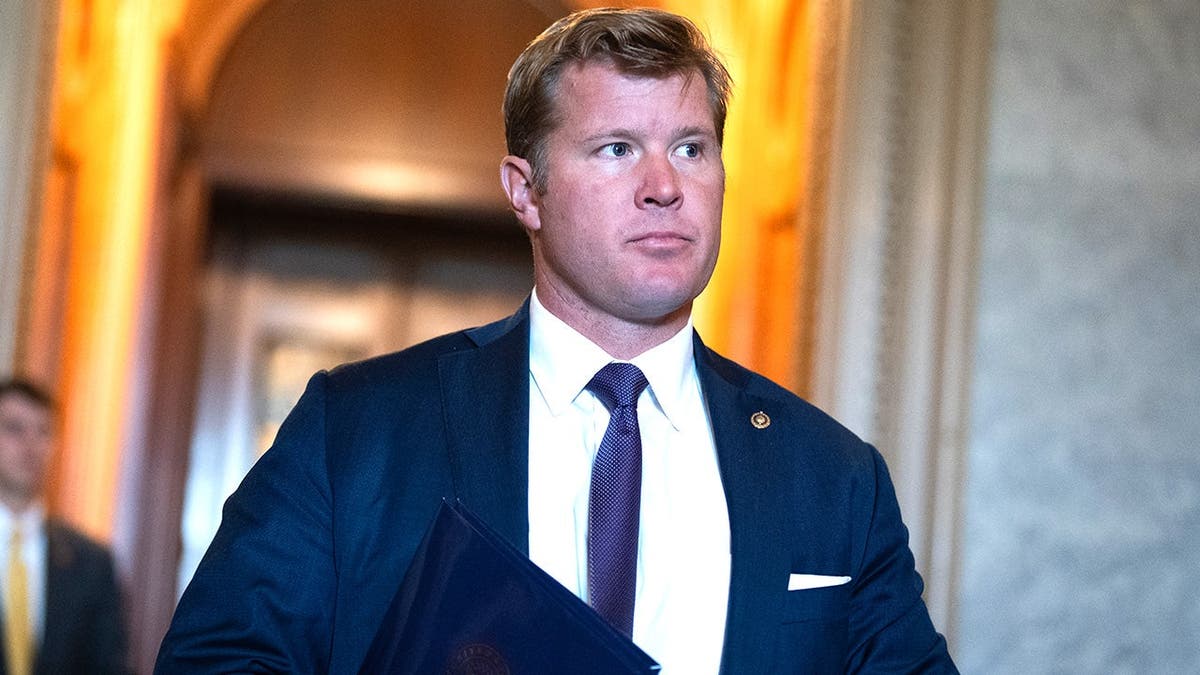
Recent discussions in Congress have centered on the potential implementation of term limits for elected federal representatives. Amidst concerns surrounding age and health, lawmakers have differing opinions on whether term limits should be enacted.
Arguments Against Term Limits
Sen. Tim Sheehy, R-Mont., argues that voter choice should remain paramount. He suggests that limiting terms might restrict voters from electing candidates they prefer, regardless of age. Rep. Glen Grothman, R-Wisc., supports this view, stating that voters should have the freedom to choose their representatives, including individuals like Sen. Chuck Grassley, R-Iowa, who is currently the oldest serving member of Congress at 92.
Concerns about health have intensified due to recent events, including the unexpected death of Sen. Lindsey Graham, R-S.C., and the extended absences of Sen. Mitch McConnell, R-Ky., and Rep. Tom Kean Jr., R-N.J., due to health issues.
Perspective on Recognizing Personal Limits
Sen. Mark Warner, D-Va., emphasizes the importance of lawmakers recognizing their personal limits. He advocates for individuals knowing when to step aside without imposing broad term limits. Warner has limited his own tenure in prior positions to foster new opportunities for others.
Support for Term Limits
Conversely, Sen. Ted Cruz, R-Texas, champions term limits, suggesting they would curb prolonged tenures and concentration of power. Cruz proposes a constitutional amendment to limit senators to two terms and House members to three terms. He cites widespread public support for this approach.
Sen. Roger Marshall, R-Kan., shares Cruz’s perspective, pointing out that extended tenures could contradict the nation’s foundational principles. Marshall underscores the potential risks of accumulated power in the hands of career politicians.
The ongoing debate reflects varied opinions among lawmakers and raises questions about the most effective means to balance experience with democratic choice.
Leave a Reply