Political and Economic Challenges
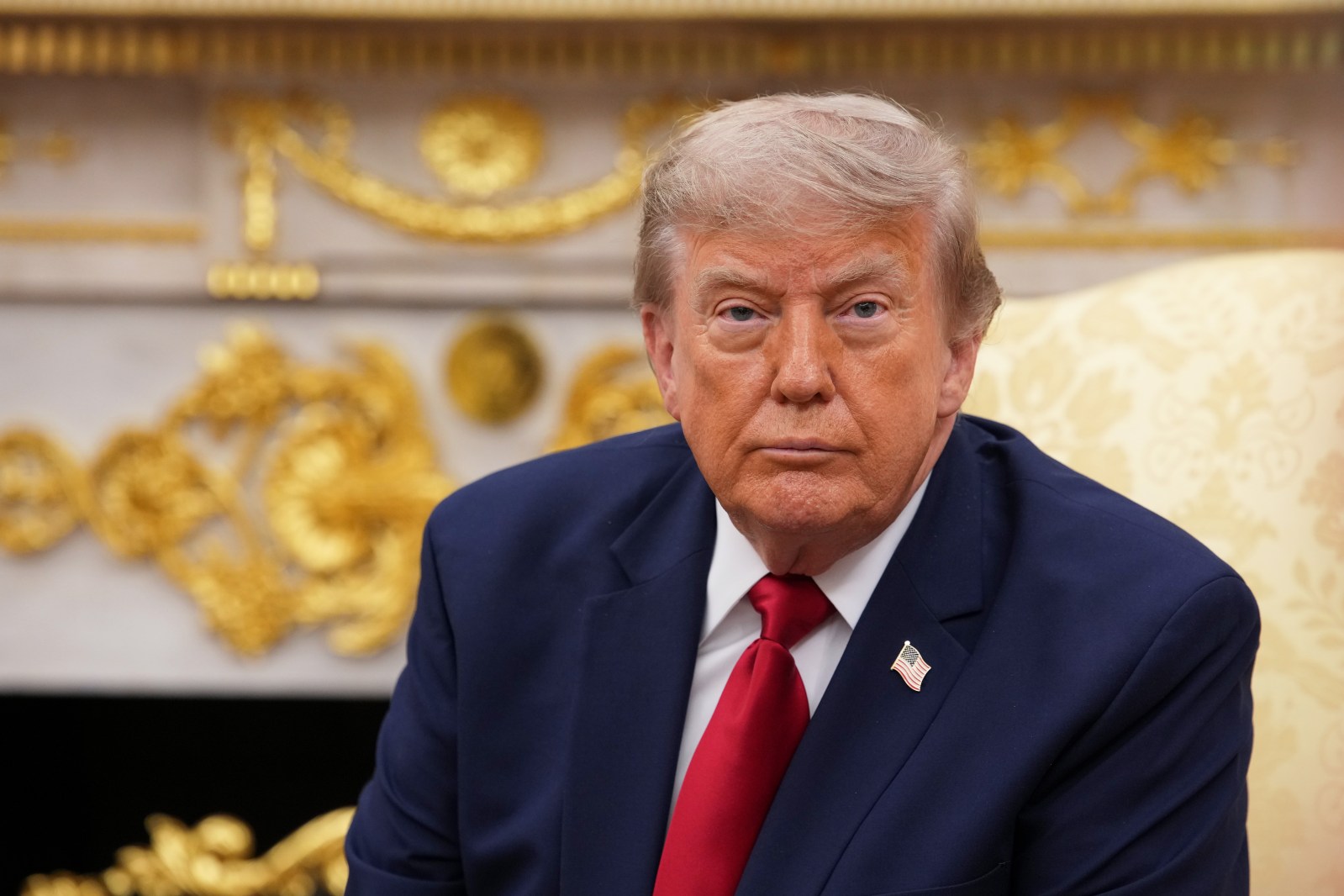
This month saw Republicans briefly enjoy some relief on the issue of affordability, only for President Donald Trump to reverse those gains significantly. Gas prices climbed over $4 a gallon amidst renewed conflict with Iran, while new tariffs on numerous countries were announced in a short span, increasing economic pressure.
Recent polling indicates a growing segment of Republican voters attributes high prices to Trump as the midterm elections approach. According to AAA, gas prices surged above the $4-per-gallon national average on Monday for the first time in over a month, marking a 3% increase in one week. The escalating confrontation between the United States and Iran sent oil prices towards $100 per barrel, nullifying previous price relief following a temporary ceasefire in June.
Impact of Tariffs
In a rapid turn of events, President Trump replaced a temporary global tariff of 10% with new tariffs ranging from 10% to 12.5% on 60 trading partners shortly after its expiration. These affected countries make up over 99% of U.S. imports.
White House’s Stand
The White House dismissed the notion that these developments pose a liability. Taylor Rogers, a spokesperson, stated, “As the U.S. military targets the capabilities of the Iranian regime to interfere with commercial ships and energy flow through the Strait of Hormuz, oil and gas prices will return to pre-conflict levels.”
President Trump shrugged off concerns about the midterm elections influencing his approach to the conflict, stating, “I can’t think about that having to do with this.”
Within Republican ranks, concerns are emerging. West Virginia Senator Shelley Moore Capito expressed doubts, noting public fatigue over the war. Fellow Senator Jim Justice echoed these worries by saying, “There’s got to be an off-ramp.” Senator Rand Paul criticized the war as unsuccessful, suggesting the country is “worse off than we were before.”
Republican Concerns About Economic Policy
An anonymous Republican senator voiced concerns about gas prices impacting November’s elections, noting private worries among colleagues. Brian Fitzpatrick from Pennsylvania criticized the administration’s fiscal priorities in light of rising costs, emphasizing the importance of affordability.
Four House Republicans supported a resolution urging Trump to end the war, highlighting political consequences. House Speaker Mike Johnson also showed a desire to conclude the conflict, stating, “We got to wrap it up.”
Public Perception and Discontent
Polling data paints a challenging picture for President Trump. A July poll from Washington Post-ABC News-Ipsos revealed that 65% of adults disapprove of his economic handling, while 66% find grocery prices “unaffordable.” Additionally, Pew data shows growing dissatisfaction among Republicans, with 28% saying economic policies have deteriorated their situation, up from 18% earlier in the year.
Republican strategist Alex Patton emphasized these issues, noting, “This week’s events just increase the headwinds facing GOP candidates across the nation.” He questioned the party’s ability to address affordability.
Effects on Voter Sentiment
Tariffs complicate these matters further, with Republican support being inconsistent. A February Pew survey showed 71% GOP approval for tariff hikes, but this plummeted among non-MAGA Republicans as reported by ABC News/Washington Post/Ipsos, with only 43% in support.
Concerningly, 46% of Americans reported rising gas prices would influence their vote, with non-MAGA Republicans notably more impacted.
District-Level Impacts
The political consequences are most apparent in battleground districts. Of the 13 most competitive House districts where gas prices surged faster than the national average, nine are Republican-held.
California’s 22nd District has seen a $1.17 increase per gallon since Trump took office, while Colorado’s 8th District experienced a 73-cent rise. Republican Gabe Evans attributed this to state policies rather than national issues, though poll data suggests the Iran conflict as the primary price driver.
Historical data from Nate Silver’s Silver Bulletin aligns gas price fluctuations closely with the status of the U.S.-Iran ceasefire.
Strategic Insights
Mike Madrid, a GOP strategist, pointed to the Iran war as a catalyst for losing support among Trump’s base. He described emerging cracks within the MAGA base.
Democratic strategist Jesse Ferguson highlighted Republican vulnerability due to economic challenges, forecasting leverage in economic arguments.
Election Forecasts and Party Dynamics
Polling data shows Democrats leading Republicans in the generic ballot. Emerson College Polling reports a substantial advantage, which some analyses corroborate.
While forecasts indicate narrow Democratic favor in flipping the House, structural barriers like redistricting create a GOP defensive position, exemplified by tentative seat-level predictions from Decision Desk HQ.
With rising gas prices and tariff implications poised to affect voting, Republicans face an urgent need to address public concerns ahead of the elections.
Leave a Reply