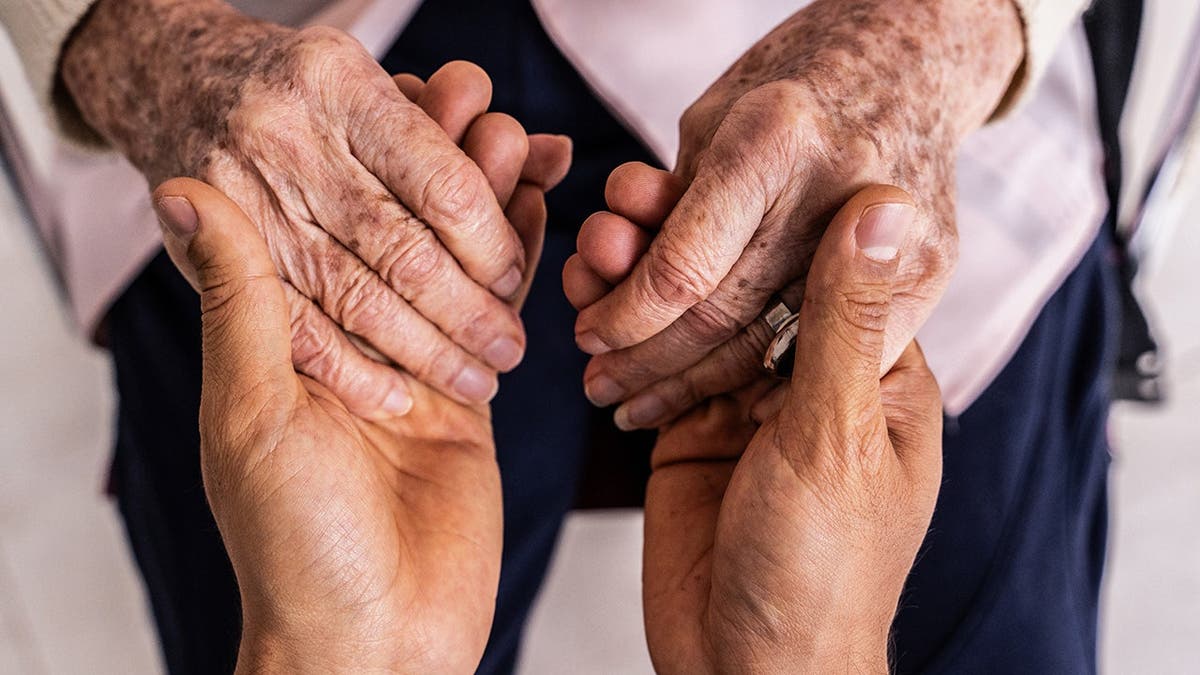
People worldwide are experiencing longer lifespans, yet they are spending more years dealing with poor health, according to a recent study. The study highlights the ‘morbidity gap,’ which refers to the years individuals endure poor health due to chronic conditions like low back pain, hearing loss, and depression.
Study Findings
The research, covering 203 out of 204 countries, revealed that in 2023, an average of 14.5% of life is spent in poor health, compared to 13.6% in 1990. This data comes from the Institute for Health Metrics and Evaluation at the University of Washington.
In the United States, the morbidity gap stands at about 14 years, accounting for 17.8% of the expected lifespan. From 1990 to 2023, global life expectancy at birth rose from 64.6 to 73.8 years, while healthy life expectancy increased from 55.9 to 63.1 years.
Researchers attribute the growing gap to advancements in survival rates that exceed improvements in healthy years, which results in more years spent with chronic diseases or disabilities.
Impact on Wealthy Nations and Gender
The widening gap is especially pronounced in wealthier countries, where access to life-extending resources is more prevalent. Although women tend to live longer than men, they also experience more years in poor health.
Dr. Antony Chu from Brown University’s Warren Alpert School of Medicine emphasized that while modern medicine has reduced mortality rates for conditions like cardiovascular disease, cancer, and infections, it hasn’t equally extended healthy years of life.
Leading Causes of Morbidity
The Global Burden of Disease data from 1990 through 2023 identified non-fatal chronic issues as primary contributors to the morbidity gap. Musculoskeletal disorders, mental health issues, and hearing loss accounted for 57% of all years lived in poor health worldwide. Factors like high fasting plasma glucose, obesity, and aging populations were also significant contributors.
Future Health Goals
Dr. Christopher Murray of the Institute for Health Metrics and Evaluation noted that future health improvements should focus on both extending lifespan and enhancing healthspan, which requires investing in prevention, long-term disease management, and chronic care.
Dr. Chu highlighted the importance of preserving function, promoting mobility, and supporting mental health. Initiatives like progressive resistance training, fall prevention, and early treatment of chronic back pain should become standard in preventive medicine.
Mental Health and Social Connections
Mental health and social interactions play key roles in healthy aging. Addressing issues like hearing loss, depression, and anxiety can improve longevity and independence.
Dr. Chu pointed out that older adults in many cultures maintain active roles within families, which may offer protection against loneliness and loss of identity. By contrast, many older Americans face social isolation, highlighting the importance of community and purpose in aging.
Leave a Reply