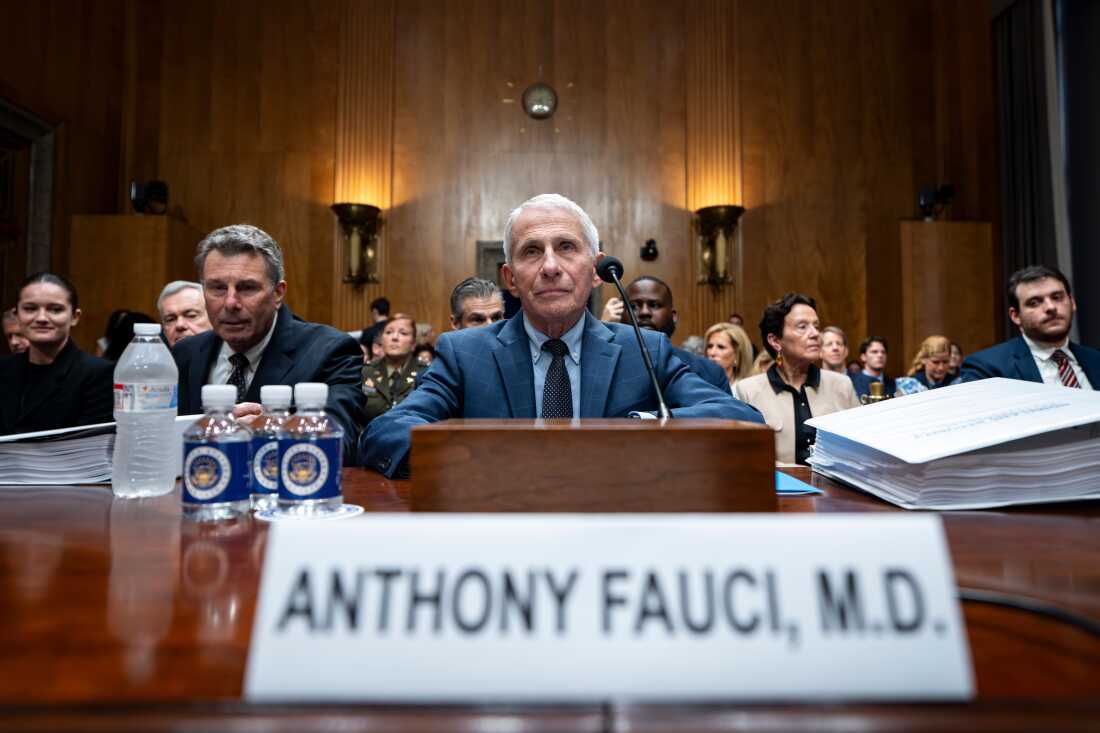
Anthony Fauci, formerly at the helm of the National Institute of Allergy and Infectious Diseases, spent several hours in a Senate Committee session. He refrained from addressing questions about COVID-19’s origins, repeatedly citing his Fifth Amendment rights. This action has sparked calls from Sen. Rand Paul to hold Fauci in contempt of Congress, based on Paul’s unsupported assertions of a lab origin for the virus and an alleged Fauci cover-up, claims Fauci denies.
These proceedings, underscoring Paul’s claims, have stirred unease among Democrats and public health professionals. Many fear this will damage U.S. public health infrastructure and staffing. Congressman Andy Kim expressed concerns about the impact on future public servants, warning that attacks on public figures like Fauci might deter future generations from pursuing careers in public health.
Experts agree that the environment on Capitol Hill exacerbates an existing decline in the field of public health, potentially harming health outcomes across the nation. Epidemiologist Katelyn Jetelina noted a reopened divide within the country over COVID-19 issues.
The Rise of ‘Health Freedom’
The pandemic reignited debates over ‘health freedom,’ with some rejecting medical mandates, such as school vaccination requirements, based on religious or moral grounds rather than science. Nicole Huberfeld from Boston University highlighted how policies like masking and distancing lost popularity due to top-level pushback during Trump’s first term. Interest subsided during Biden’s tenure but resurged in the subsequent Trump administration. At this week’s hearing, Huberfeld argued, Republican discourse may have served to appeal to their base.
She described the hearings as part of a broader trend diminishing public health’s value, a sentiment echoed by Dr. Georges Benjamin of the American Public Health Association. He warned that devaluing public health leads to inefficiencies in responding to health crises.
Public Health Challenges
Benjamin and others highlight the need for public health professionals to relay evidence-based advice without fearing political repercussions. The climate around Fauci’s hearings could deter frank discussions necessary for informed policymaking. There is a worry that intimidation might hinder crucial health communication.
Jetelina, also at Yale School of Public Health, noted the drop in enrollment and voiced concerns over students’ apprehensions about a career in public health, considering the risks showcased by Fauci’s experiences. She emphasized the profession is changing, necessitating careful career considerations.
These challenges beg an approach that includes dialogue between health professionals and the public, addressing grassroots health concerns and channeling them into actionable strategies. Jetelina suggests a COVID-19 commission akin to the 9/11 Commission to evaluate past actions and chart improvements.
With trust in science waning, Benjamin stresses the urgency of reinforcing science’s credibility to shield communities from current and future health threats. He calls for robust systems to handle health emergencies, promoting healing and prevention nationwide.
Leave a Reply