This week, cyberattacks have been reported on municipal water systems in at least seven states. The FBI and the Environmental Protection Agency (EPA) have issued warnings to utilities across the nation. The focus is on preventing hackers from disrupting crucial water infrastructure.
In a public service announcement on Thursday, the agencies explained that water and wastewater utilities have been notifying the FBI about incidents. Some malicious activities have already affected water operations. However, the specific states involved remain unnamed.
Recently, more than 30 municipal water facilities in Minnesota experienced targeted attacks. The attacks appear to have connections to Iranian interests. A law enforcement official indicated that the investigation is ongoing. According to Minnesota’s information technology services agency spokesperson, there is no evidence of water supply contamination in any municipality.
The advisory from federal authorities noted that these cyber actors focused on control systems operated by specific municipal water utilities. Nevertheless, the FBI and EPA advised all system operators to exercise care.
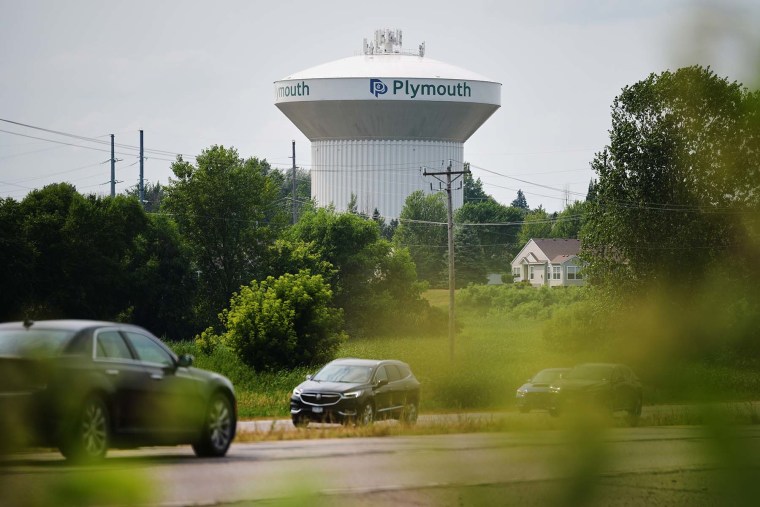
This situation underscores the vulnerability of certain U.S. infrastructure systems to foreign interference. The increasing tensions with Iran could raise the risk of such cyber incidents. Recently, a cyberattack on operational technology affected more than 30 water systems in Minnesota, including Plymouth, according to state officials.
The hackers reportedly managed to remotely access devices connected to the internet. They altered IP addresses and passwords, leading utilities to lose monitoring and control capabilities.
Ellen Schmidt / AP
The federal advisory recommends several security measures. System operators should:
- Remove programmable logical controllers (PLCs) from direct internet exposure.
- Secure them with gateways and firewalls.
- Utilize robust password protocols.
- Restrict communication between authorized control system devices using access control lists.
The exact entity behind these breaches has not been identified. U.S. government and state authorities have not publicly named a specific group responsible for the activity in Minnesota.
Emily Zimmer, spokesperson for Minnesota’s information technology agency, stated, “Attribution requires careful analysis of technical evidence alongside broader national and international threat intelligence, and our federal partners are best positioned to lead that work.”
This cyber breach in Minnesota follows U.S. officials’ warnings about Iran-backed hackers targeting critical infrastructure. As military tensions escalate between Washington and Tehran, the risk of cyber operations rises.
In a public advisory dated July 22, several federal agencies, including the Cybersecurity and Infrastructure Security Agency and the FBI, urged heightened defenses. This advice came amid reports of Tehran-linked hackers trying to breach systems that manage infrastructure.
U.S. intelligence has highlighted Iran’s growing cyber operation capabilities. Iranian hackers attempted to target water systems back in 2023. Two years ago, the EPA noted a rise in cyberattacks on water utilities. By May 2024, an enforcement alert from the EPA showed about 70% of inspected utilities not meeting standards to prevent breaches.
Leave a Reply