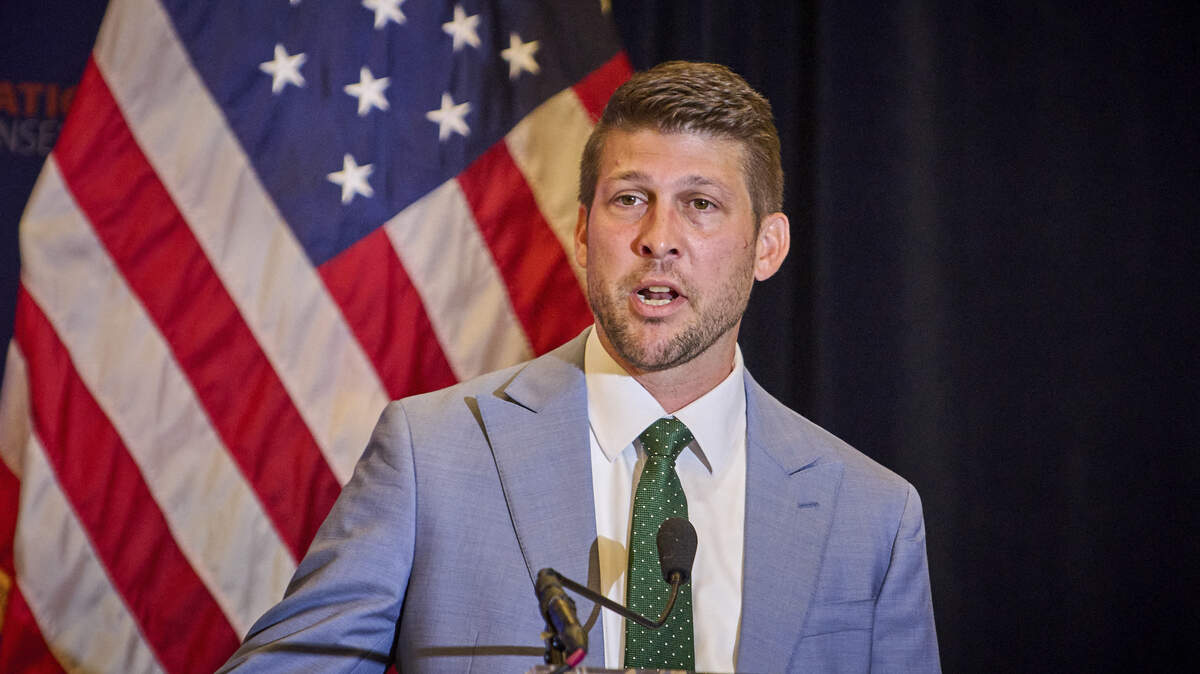
At the National Conservatism Conference in Washington D.C. on September 3, 2025, substantial attention has been drawn to the proposed Amendment 3 in Florida, regarding property taxes. A Tallahassee judge recently highlighted the biased presentation of the amendment on the ballot, calling for a revision to enable voters to make an informed decision.
Leon County Circuit Judge David Frank described the ballot language as politically charged rather than neutral. In his 18-page ruling, he criticized the amendment’s title, “Save Our Homes From Excessive Property Taxes,” as more of a political slogan. He emphasized that voters deserve unambiguous and accurate ballot statements.
The amendment’s origin is steeped in controversy. Initially backed by Governor Ron DeSantis, it aims to increase the homestead exemption on owner-occupied homes to $150,000 by 2027 and $250,000 by 2028. Another clause would lower the annual cap on assessment increases for non-homestead properties to 5% from the current 10%.
The proposal faced alterations by the Republican Legislature to retain funding sources for public schools, which led to a split with DeSantis. Although he had campaigned for lower property taxes and convened a special legislative session, DeSantis later distanced himself from the revised measure.
A bipartisan group, Save Our Voters From Misleading Ballot Language, challenged the proposed amendment. This group includes figures like former Sen. Jeff Brandes, U.S. Rep. Al Lawson, and former mayors Thomas Campenni and Michael Davey.
Attorney General James Uthmeier, appointed by DeSantis, has a limited window to amend the ballot wording. Any further challenges must occur swiftly due to looming deadlines for assembling the November ballot.
The judge highlighted the misleading nature of subheadings in the ballot summary. These include terms like “ensuring funding for core services” and “protecting small businesses,” which he found deceptive. The amendment could reduce revenues for essential services such as police and fire departments.
Moreover, Judge Frank noted that the amendment might unfairly impact renters and recent residents who would be unable to benefit immediately from the homestead exemption. Additionally, it could alter the state’s “home rule” by shifting more fiscal control to the legislature and reducing local government autonomy.
Assuming revisions lead to its reappearance on the ballot, voters will ultimately decide the amendment’s fate. They must have access to clear information for a meaningful choice.
Behind the Story
The Miami Herald Editorial Board crafted this editorial. The board operates independently from the newsroom and consists of opinion journalists. They focus on local and state issues affecting South Florida and advocate for social justice, economic equity, and the eradication of systemic inequalities.
The Editorial Board welcomes op-ed submissions and letters from the public on relevant topics. Submissions should be concise and articulate, contributing to the ongoing public discourse.
Leave a Reply