For much of modern American popular culture, Arabs have often been portrayed as threats rather than individuals. Historically, they would appear in roles involving weapons, hostages, or plots against the country they inhabit. Hollywood, in search of a post-Cold War antagonist, frequently found an enemy between Baghdad and Beirut.
The intersection of politics and fiction was rapid. Saddam Hussein emerged as a villain during the first Gulf War. The September 11 attacks further intertwined terrorism and Muslim identity in the public’s mind, influencing everything from airport security to sitcom jokes. Professional wrestling mirrored these anxieties when characters like The Iron Sheik and Muhammad Hassan embodied these caricatures.
Currently, the political landscape shifts as Michigan voters may elect an Egyptian American Muslim, Abdul El-Sayed, to the U.S. Senate. El-Sayed recently won Michigan’s Democratic primary and will face Republican Mike Rogers. If El-Sayed succeeds, he will make history as the first Muslim elected to the Senate, challenging stereotypes once deeply entrenched in American society.
The Role of Media and Perception
The Cold War era shaped Arab portrayals in media as exotic or menacing.
Movies like True Lies and The Siege placed Arab terrorism within familiar American elements. The threat was depicted as invasive, playing on fears of undetected infiltration. Wrestling highlighted these fears; WWE paired the Iranian-born Iron Sheik with Nikolai Volkoff to provoke audiences. Decades later, the Arab American character Muhammad Hassan underwent similar manipulation in storylines that aligned with Islamic militancy images.
Such portrayals thrived due to a lack of opposing narratives. Many Americans had minimal personal experience with Arabs or Muslims, leading media and fiction to shape their entire perception. The September 11 attacks further solidified these associations, even as Muslims gained public visibility through various societal debates.
From Abstract Threat to Familiar Neighbor
The transition did not stem from a sudden immigration surge but from the maturation of established communities. Over time, children and grandchildren of immigrants integrated into American schools, professions, and public institutions, crafting multifaceted identities. They became active participants in politics, shifting away from media stereotypes.
Michigan serves as a case study. More than 54% of Dearborn residents identified as Middle Eastern or North African in recent census data. This change made Dearborn a pivotal location for national political engagements and awareness.
Exposure does not eliminate prejudice entirely, but it fosters understanding. Research suggests interaction can reduce hostility. Many Americans began recognizing Muslim Americans as peers, professionals, and community members rather than abstract threats.
Representation and Political Power
The political shift saw representation in office grow. Keith Ellison became the first Muslim member of Congress in 2006, followed by André Carson, Ilhan Omar, and Rashida Tlaib, who broke barriers and overcame religious and ethnic challenges in politics.
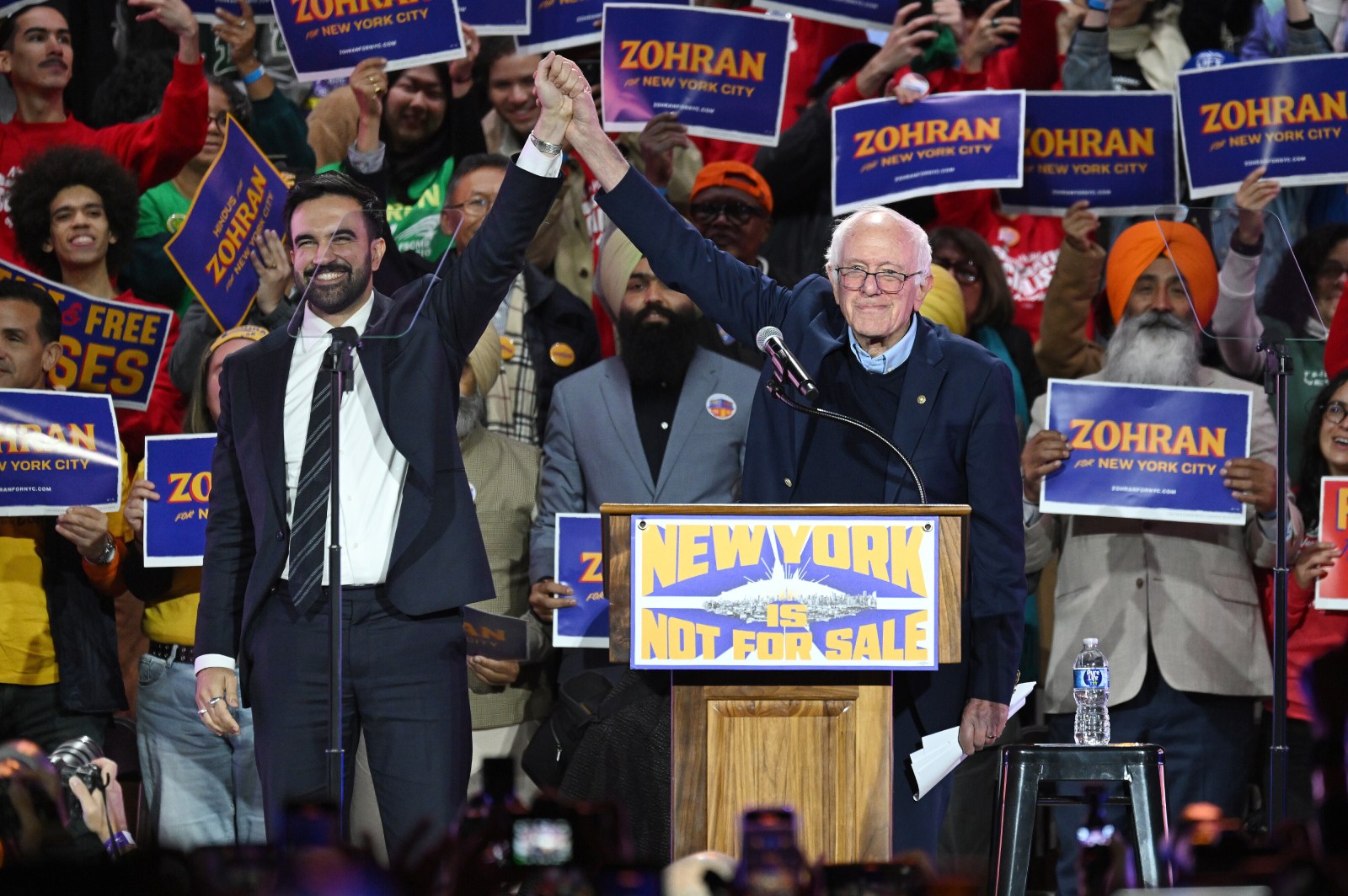
Zohran Mamdani’s election as New York City’s first Muslim mayor continued this trend, focusing on local issues like rent and transportation. Abdul El-Sayed, part of this political generation, emphasizes broader social issues while facing the complexities of identity politics.
Religion may amplify criticism, but it no longer solely defines a candidate. El-Sayed’s campaign reflects a blend of progressive ideals, illustrating how attitudes have evolved. This change aligns closely with the growth of the Democratic left, where progressive organizations also benefit from Arab and Muslim participation.
Still, challenges persist with public opinion deeply polarized by political affiliations. The 2025 Pew Research Center survey showed a divided Muslim electorate, highlighting ongoing struggles against longstanding stereotypes. A defeat for El-Sayed in the upcoming election may reflect various political and ideological disagreements rather than a straightforward narrative of tolerance or prejudice.
American society has shifted remarkably over a few decades. Arabs and Muslims, once viewed through a lens of fear, have become intertwined with the nation’s political fabric, redefining the future discourse on national identity.
Leave a Reply