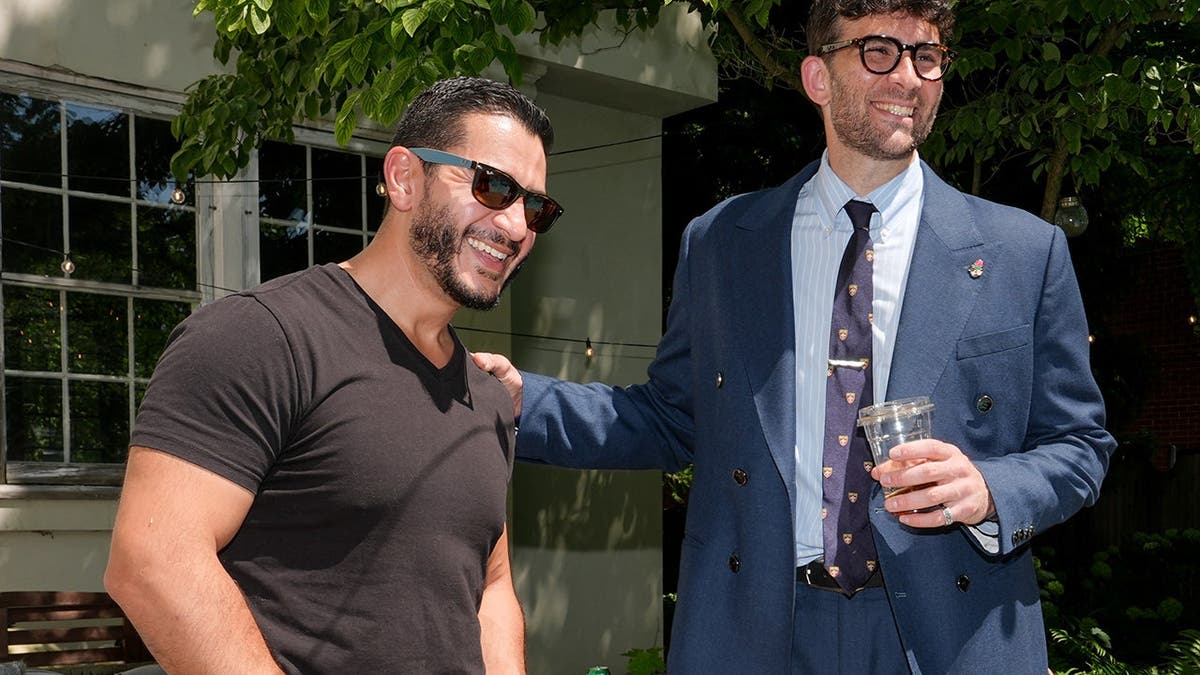
The recent victory by Abdul El-Sayed in Michigan’s Senate race revealed the media’s challenge in identifying fringe elements within Democratic circles. El-Sayed, a Democrat, has drawn attention for his association with Hasan Piker, a Twitch streamer known for controversial statements. As El-Sayed gears up to face Republican Mike Rogers, media narratives are under scrutiny regarding Piker’s radical views.
Media Coverage of El-Sayed and Piker
El-Sayed’s primary win highlighted how media often depict him in a certain light. NBC’s Shaquille Brewster noted criticism directed at El-Sayed for not disavowing Piker’s stance on 9/11. Similarly, ABC’s Rachel Scott reported on President Trump’s framing of El-Sayed as a communist, alongside Republican critiques.
Political Analysis and Commentary
Speculation abounds about the impact of El-Sayed’s connections. NPR’s David Axelrod warned of potential distractions caused by associations with figures like Piker. Meanwhile, MSNBC’s Vaughn Hillyard discussed strategies Democrats might employ to counter perceived misinformation and opposition messaging.
Interview and Public Statements
In an interview with CNN, El-Sayed addressed questions about Piker, focusing more on his campaign goals than his associations. Pennsylvania Democrat John Fetterman, referenced Piker’s controversial views, underscoring tensions within political ranks.
Media and Public Perception
The media’s portrayal of radical elements varies, often highlighting Republican missteps more than those of Democrats. Despite Piker’s controversial history, including a Twitch suspension in 2025 for violent rhetoric, broadcast networks have largely skirted the issue.
While networks might sidestep Democrat controversies, they swiftly spotlight Republican gaffes, demonstrating a media imbalance in covering political figures. El-Sayed’s association with Piker continues to challenge the media’s narrative consistency.
Leave a Reply