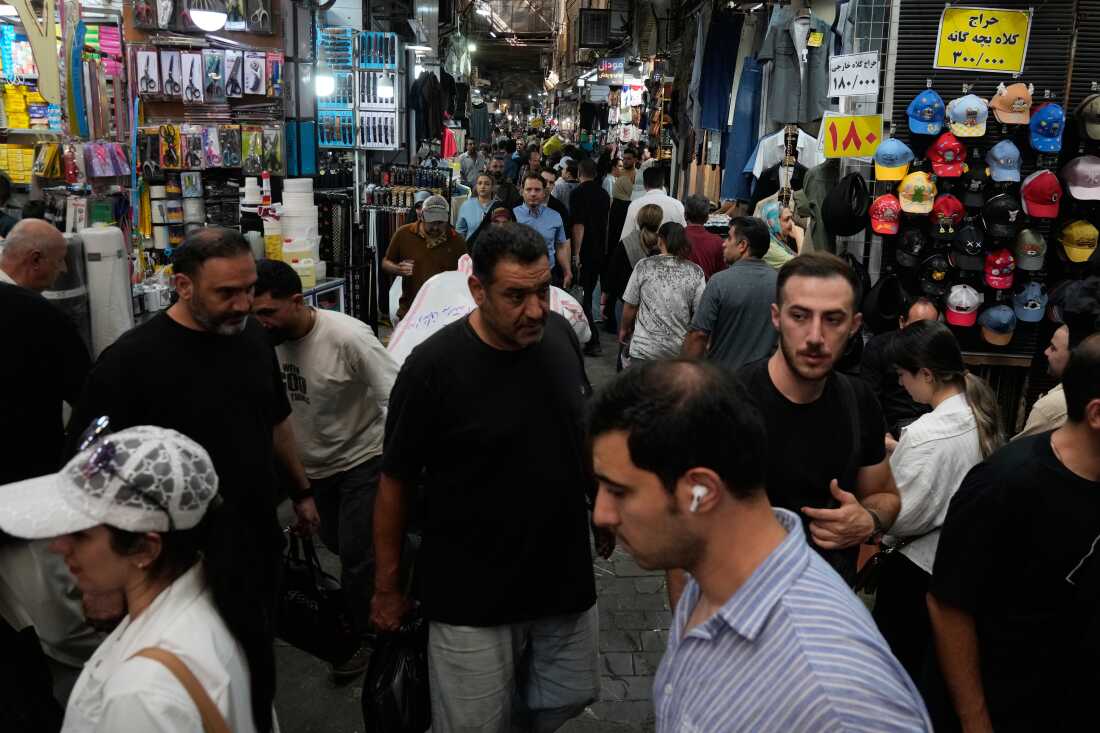
Recent developments in the Middle East spotlight ongoing conflict and diplomacy challenges. On August 8, 2026, people walked in Tehran’s traditional bazaar as Yemen’s Houthi rebels claimed they targeted an oil facility in southwestern Saudi Arabia. This is a continuation of attacks by the Iran-backed group on Saudi targets.
Houthi Attack on Saudi Oil Facility
Yahya Saree, a spokesperson for the Houthis, announced a drone attack on the Aramco refinery in Jazan. This was a response to Saudi drones entering Yemeni airspace over Hajjah and Saada. The Saudi Energy Ministry confirmed a fire at the refinery, extinguished without injuries, without specifying its cause.
The Houthi’s actions on Sunday add to a series of drone and missile attacks on Saudi Arabia and its Red Sea shipping routes. A Yemeni government official reported additional Houthi attacks on the Mocha port, a vital Yemeni government-controlled port that bypasses Hodeida ports under Houthi control. The attack on Mocha marks a significant escalation with potential to reignite Yemen’s civil war, paused by a 2022 truce.
Iran’s Stance on US Relations and Hormuz Negotiations
Iranian foreign minister Abbas Araghchi stated that negotiations with the US can’t proceed until violations of a memorandum of understanding are addressed. Although messages through intermediaries continue, Iran insists on US compliance before talks resume.
Negotiations with Oman about new maritime routes through the Strait of Hormuz are reportedly in final stages. Nevertheless, any potential reopening of Hormuz remains dependent on additional conditions communicated via intermediaries.
The Supreme National Security Council reiterated Iran’s stance, demanding changes in US behavior and cessation of regional hostilities before reopening Hormuz. The council emphasized demands for the US to lift the naval blockade, withdraw its military, and compensate Iran for war damages, sanctions relief, and asset release.
US Military and Weapons Production
Pentagon spokesperson Sean Parnell highlighted the need to speed up munitions production, addressing the demand imposed by ongoing conflict. A strategic analysis indicated depleted US stockpiles. This effort aligns with a broader modernization drive predating the current conflict.
Iran-Oman Interim Strait of Hormuz Deal
Preparations for a temporary reopening of Hormuz involve a joint proposal by Iran and Oman. The plan allows free passage of ships through specific routes without fees, aiming to restore previous agreements and renew negotiations on Iran’s nuclear program. Endorsements by Gulf Cooperation Council members are seen as supporting this diplomatic effort. Stakeholders cautioned that terms might still alter prior to finalization.
Leave a Reply