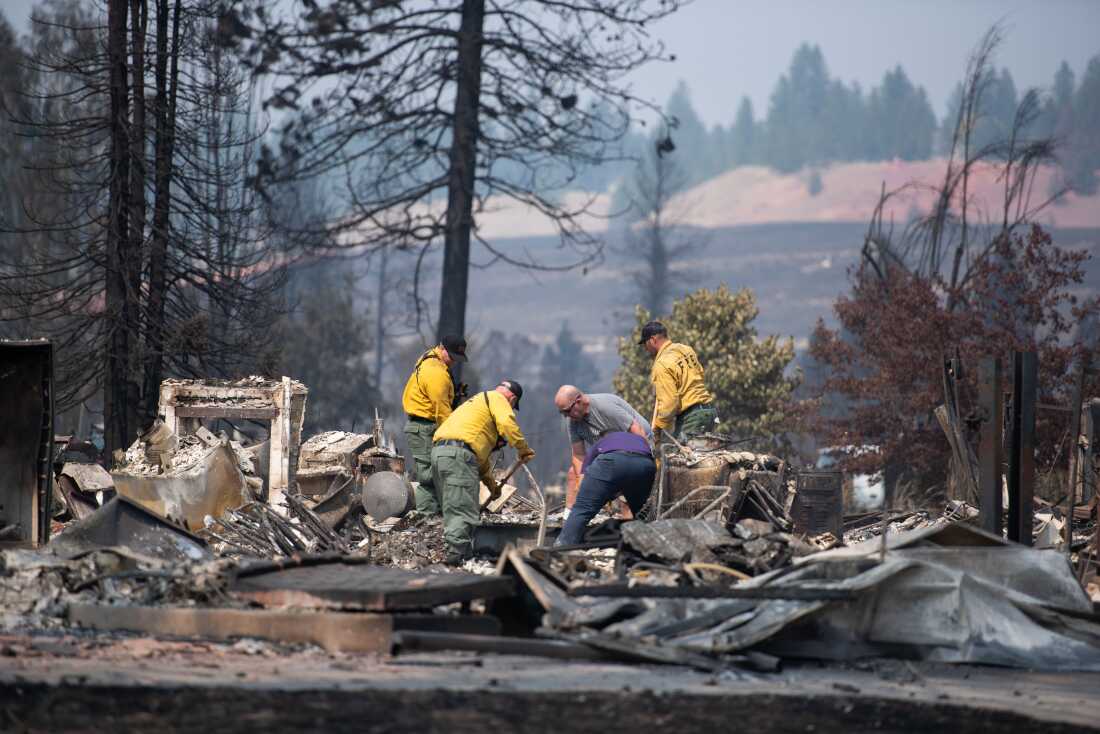
Wildfires Devastate Spokane Neighborhoods
In Spokane, Washington, a raging wildfire has destroyed numerous homes and prompted the evacuation of approximately 65,000 residents. Despite the vast damage, there have been no reported casualties. The quick response of emergency teams and the efficient evacuation process played a crucial role in saving lives, as explained by Sarah Nuss, the city’s director of emergency management.
Comparing Wildfire Incidents
Spokane’s successful evacuation can be contrasted with other tragic urban wildfires. For instance, the Eaton and Palisades fires in Los Angeles County in January 2025 resulted in over 30 deaths. Similarly, the Lahaina fires on Maui in 2023 claimed over 100 lives, and the massive Marshall Fire near Boulder, Colorado in late 2021 caused two fatalities. These figures underscore the effectiveness of Spokane’s emergency procedures.
Efficient Evacuation Procedures
Spokane County Sheriff John Nowels highlighted the city’s comprehensive evacuation strategy, which effectively evacuated entire neighborhoods, nursing homes, a dementia care center, and the Veterans Affairs hospital campus within hours.
Resident TJ Brill shared his experience of salvaging items from his damaged home, indicating the widespread destruction and the emotional impact on the community.
Fire Preparedness and Prevention
When the Old Trails Fire crossed the Spokane River, it reached populated areas quickly. Residents like Terry and Warren Clark witnessed the fire’s proximity as they evacuated, emphasizing the challenges faced by those living in the Wildland Urban Interface (WUI).
Hugh Safford, a professor at the University of California, highlighted improved forecasting and resource allocation as key elements in managing wildfires effectively. Advance warnings of extreme heat and winds helped prepare the region for potential fire hazards.
Long-standing Concerns About Wildfire Risks
Local officials, including Nuss, have long been concerned about rising wildfire risks. Climate change, longer, hotter summers, and reduced rainfall have led to increased wildfire threats. Nuss’s department has conducted mass evacuation drills to better prepare residents, though budget constraints limit their frequency.
Environmental Challenges for Wildfire Management
The increasing danger of wildland firefighting has been highlighted by recent events. Development in wildland areas, historical fire suppression practices, and rising CO2 levels contribute to the complexity of managing fires. Tragically, five firefighters have lost their lives in recent weeks while combating wildfires.
Jose Ibarra, a crew boss trainee from Oregon, emphasized the precarious nature of fighting urban wildfires, which differ from traditional forest fires. Spotting a smoldering tree, he explained the ongoing risk of flare-ups and the need for continuous monitoring.
Leave a Reply