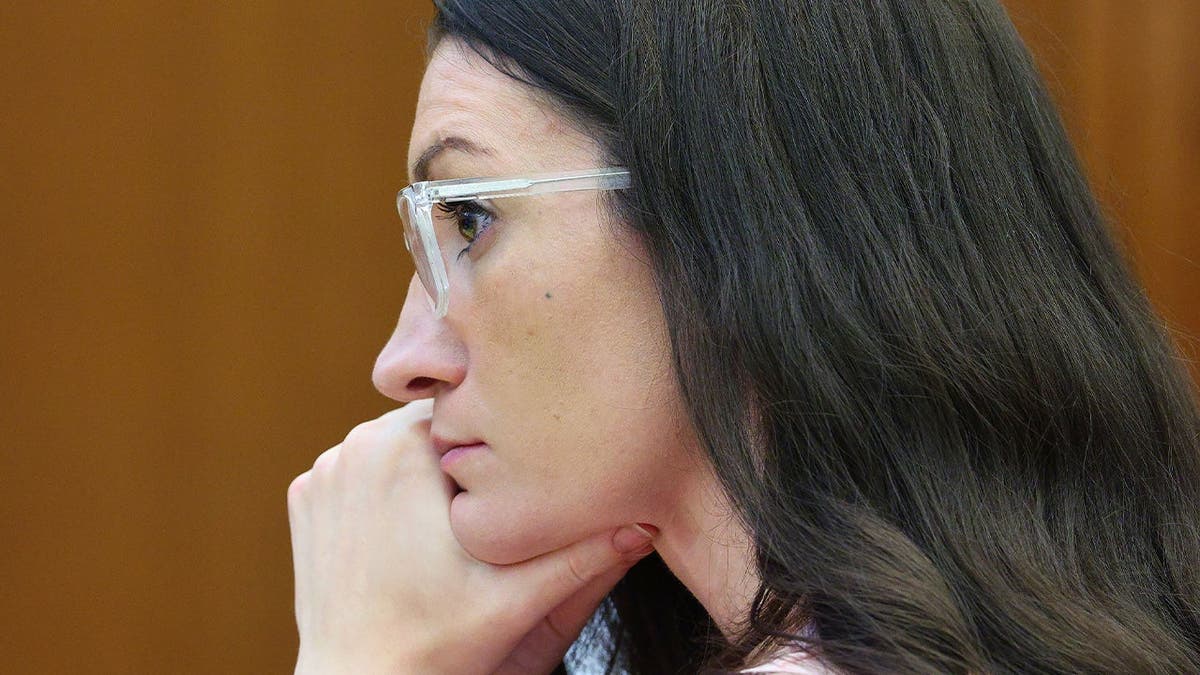
The trial of Lindsay Clancy took an intriguing turn on Tuesday as it began with a debate over a potential witness rooted in a TikTok video. This witness, a former mental health facility staff member, accused others of spreading misinformation about the hospital where Clancy stayed before the tragic deaths of her three children.
Defense attorney Kevin Reddington requested Judge William Sullivan to include Emily Thorndike, an ex-clinical social worker from McLean Hospital, as a witness. Reddington argued that Thorndike’s experience could counteract an inaccurate portrayal of the facility as a premier institution with abundant treatment resources that Clancy supposedly rejected.
“The idea presented in court was that McLean was an elite facility brimming with professionals eager to treat Clancy, which is not accurate,” Reddington stated.
The prosecution depicted McLean as an affiliate with Harvard, presenting it as a top-tier hospital. Clancy faces first-degree murder charges for the deaths of her children, aged 5, 3, and 8 months. Reddington highlighted Thorndike’s role after finding her video, where she criticized the alleged falsehoods shared during the trial.
Prosecutors contend that Clancy methodically strangled her children and then attempted suicide due to dissatisfaction with her role as a mother. They noted Thorndike left McLean a year before Clancy’s arrival and had no direct knowledge of Clancy’s treatment.
Judge Sullivan expressed skepticism about allowing Thorndike to assess the quality of Clancy’s care at McLean, stating, “This is not Tripadvisor.” However, he entertained the idea of examining staffing levels and available programs as a separate issue.
Before the witness list debate, jurors listened to desperate messages Clancy sent to her psychiatric nurse practitioner, Rebecca Jollotta, in late 2022 as Clancy grappled with insomnia, medication changes, and intrusive thoughts.
Messages detailed Clancy’s deteriorating mental health:
- Nov. 30: Clancy expressed her depression had intensified, stating she wasn’t suicidal but felt unable to continue as is.
- Dec. 1: She reported having new, intrusive thoughts and wanted to change her medication.
- Dec. 2: Early morning, Clancy described waking with troubling intrusive thoughts.
- She expressed willingness to try anything to alleviate insomnia and numbness.
Clancy reported temporary relief with Ativan, linking symptom changes to its use. Jollotta interpreted these communications as signs of depression rather than suicidal intent.
Fox News Digital reached out to McLean Hospital for their input.
Leave a Reply