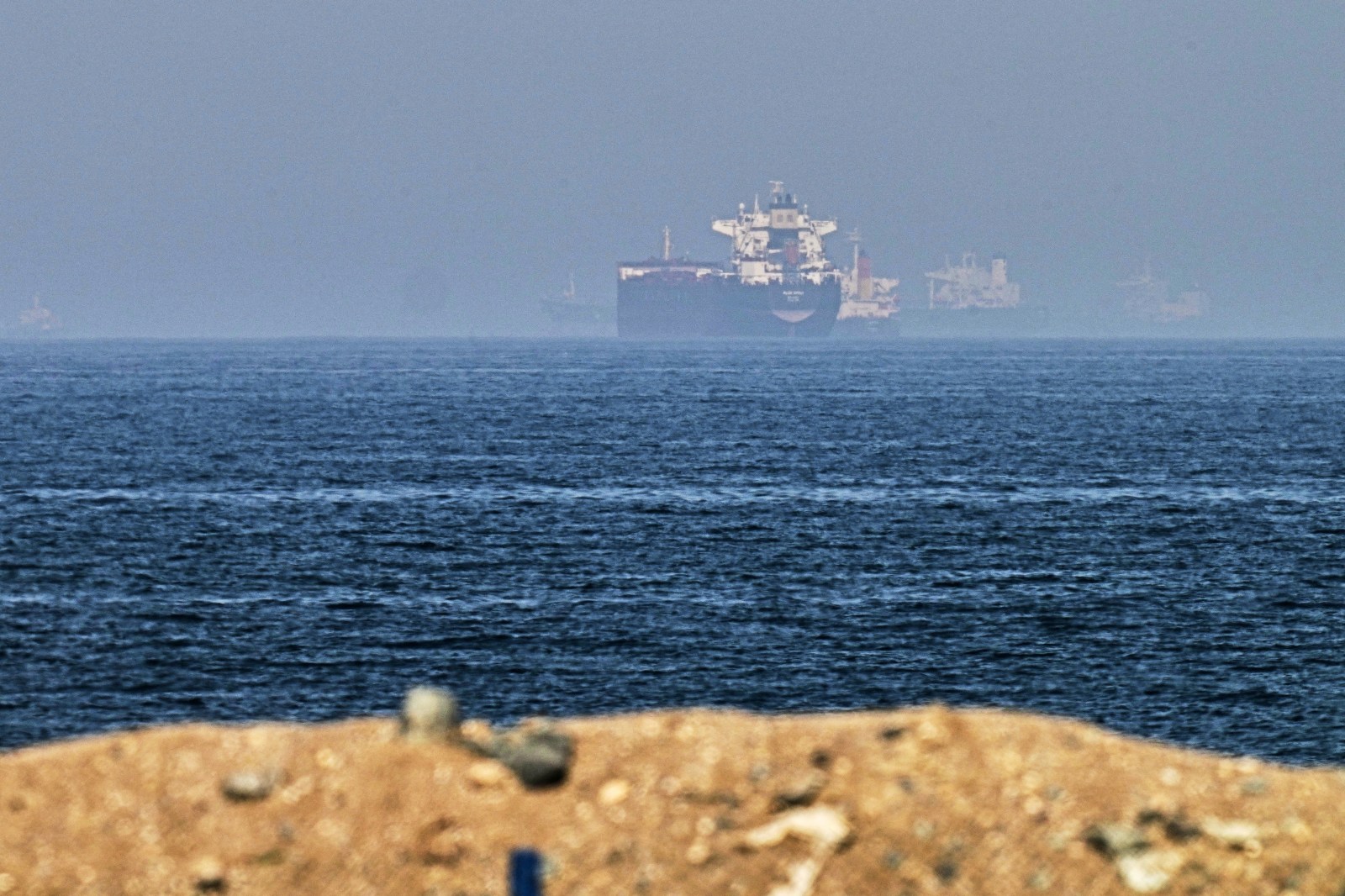
Iran has criticized remarks by U.S. President Donald Trump, who suggested that the United States could declare the Strait of Hormuz as U.S. territory. The statement has been dismissed by Tehran as “delusions” amid heightened tensions surrounding the vital maritime passage.
During an appearance on Long Island, New York, Trump stated that after the U.S. “finishes defeating Iran,” he would declare the strait “a territory of the United States.” He claimed that the U.S. effectively controls the international waterway through a naval blockade of Iranian ports.
Iranian officials responded swiftly. Deputy Foreign Minister for Legal and International Affairs Kazem Gharibabadi affirmed that Iran would not be intimidated by such threats. He emphasized that the regulation of the strait remains under Iranian authority.
Trump has said that after Iran’s defeat, he will soon declare the Strait of Hormuz as U.S. territory!Gharibabadi wrote in a post on social media.The Strait of Hormuz cannot be seized by tweet, nor by aircraft carrier, nor by issuing an order, nor by an election speech. Iran neither fears threats nor cowers before displays of power.
He reiterated Iran’s stance, stating that the strait has always been under Iranian control and would remain so.
The Strait of Hormuz connects the Persian Gulf to global markets and handles about one-fifth of the world’s seaborne oil and natural gas shipments. Disputes over its control have substantial implications for global energy supplies and markets.
The disagreement over the strait is central to the ongoing conflict between the U.S. and Iran, which began in late February. Tehran claims that part of the waterway is within its territorial waters. In contrast, Washington seeks to ensure free commercial passage. The standoff has contributed to higher fuel prices and disruptions in international shipping routes.
Trump’s statement is consistent with his history of remarks indicating expanded U.S. influence over strategic global areas. A recent analysis in Newsweek highlighted Trump’s earlier discussions about similar scenarios involving other global locations.
Strait of Hormuz Passage
Amid the latest tensions, Iran and Oman are working on a framework to manage future shipping through the strait. Iranian officials have proposed charging vessels fees for navigation, security, and maritime services.
According to the Financial Times, JPMorgan analysts indicated that Iran and Oman might establish a legal basis for these fees if they are framed as compensation for navigational safety rather than direct transit tolls. They pointed to examples in the Danish Straits and Turkey’s Bosporus.
JPMorgan noted that while international maritime law generally prohibits tolls for passage through an international strait, it allows fees for services like pilotage and emergency response. By collaborating with Oman and structuring the costs as service fees, Tehran may align with international maritime principles.
Iranian officials confirmed ongoing talks with Oman but linked a full reopening of the strait to broader negotiations with Washington. They insisted U.S. actions, including the naval blockade, must end for commercial traffic to resume.
Iran Conflict Update
Nearly six months into the conflict that started on February 28, unresolved tensions persist between the U.S., Israel, and Iran. A memorandum of understanding signed in June aimed to reduce hostilities, but violations continue.
The agreement included Iran’s commitment to ensure safe passage for commercial vessels through the Strait of Hormuz. Despite this, both sides have accused each other of breaches. While fighting continues at a lower level, negotiations over sanctions, shipping rights, and regional security remain deadlocked.
The main issue is the management of the Strait. Iran insists the waterway will remain closed until the U.S. changes its approach and eases pressure, while the U.S. demands restored navigation freedom.
American consumers are already feeling the impact of the conflict through rising gasoline prices. Trump acknowledged this week that fuel costs have increased, suggesting it is the cost of preventing Iran from acquiring a nuclear weapon.
Leave a Reply