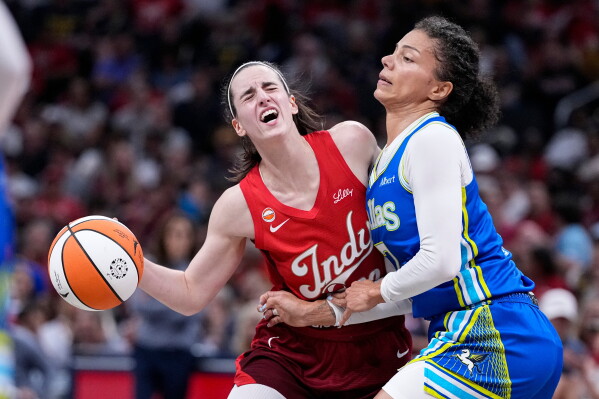
This Hall of Fame weekend, while the spotlight should ideally shine on basketball, the WNBA finds itself at the intersection of broader societal discussions. As the league inducts some of its iconic figures, conversations about race, gender, and sexuality persist, impacting the perception of women’s basketball during its 30th year.
Dawn Staley, a Hall of Famer and member of the 1996 Olympic women’s basketball team, perceives a silver lining in the controversy. She draws parallels with the NBA’s earlier challenges concerning racial integration. Staley asserts that such debates, though contentious, are badges of honor, suggesting resilience and progress for the WNBA.
The NBA, when launched, was exclusively white, and faced backlash over racial integration. The WNBA now grapples with discussions about transgender inclusion. Though no transgender women have played in the league, the topic remains contentious. Some players who transitioned have fueled polarized debates.
Nneka Ogwumike, WNBA players’ union president, expresses empathy for transgender supporters affected by these debates. She notes that women’s sports often become venues for broader agendas, and important conversations inadvertently marginalize the very groups the league advocates for.
Ogwumike points to the challenge of balancing media inquiries with sensitivity. While understanding the media’s role in covering basketball, she emphasizes the importance of addressing relevant social issues without overshadowing the game.
Staley also laments that achievements on the court often take a backseat in public discourse. Despite the sport’s growth, distractions persist, overshadowing remarkable developments.
The WNBA’s popularity continues to surge, with viewership rising by 17% since last year’s record-breaking season. However, increased attention brings challenges. Social media attacks on players have intensified, and gambling interest has grown.
Candace Parker, another Hall of Fame inductee, acknowledges the persistence of vitriol. She emphasizes that offensive remarks can no longer be ignored, with consequences now more apparent for online antagonists.
Chamique Holdsclaw recalls disagreements with teammates from 1999 to 2010. These issues stayed within the locker room, unlike today’s environment where such matters frequently surface publicly on social media.
The WNBA, like many sports leagues, must navigate these public conversations as part of its evolution.
Leave a Reply