The implementation of a congestion toll in New York City aimed at reducing traffic and improving air quality has shown negligible changes in pollution levels in its first year, according to an analysis by the city.
The New York City Health Department’s recent report evaluated traffic-related pollutants within Manhattan’s Congestion Relief Zone following the $9 toll introduced last year. Researchers discovered that the overall pollution levels in the city remained virtually unchanged, with no statistically significant improvements tied to the toll.
Despite limited changes in air quality, city officials emphasized reduced traffic, improved public transit, and decreased traffic noise as key benefits of the toll implemented in January 2025.
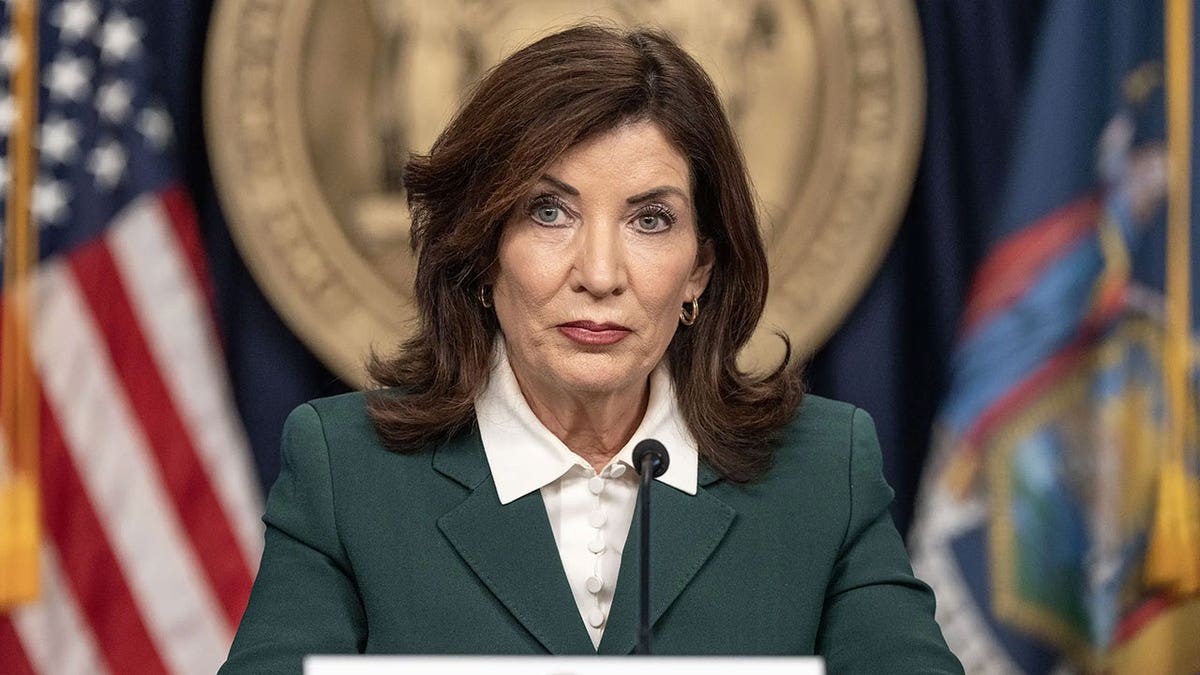
Governor Kathy Hochul highlighted the same advantages in a June 2023 speech while supporting congestion pricing.
An 11% reduction in traffic was noted since the toll’s introduction. However, the Health Department stated vehicles contribute to only about 10% of the city’s pollution. This indicates that fewer cars alone would not substantially enhance air quality in New York City.
The city’s challenges with air pollution primarily stem from its dense population of buildings that use fuel for heating and hot water, as well as emissions from restaurants and power plants.
Critics have argued the report’s findings could fuel criticism against congestion pricing, labeling it a costly burden for commuters and small businesses. The New York City Health Department and Governor Hochul’s office did not respond to requests for comments from Fox News Digital.
The congestion pricing toll is applied to passenger vehicles entering Manhattan’s Congestion Relief Zone at or below 60th Street. E-ZPass users pay a $9 toll during peak hours, and a $2.25 toll for off-peak hours. Those without E-ZPass face higher toll rates, approximately 50% more than typical charges.
Notable opposition to the program includes figures like President Donald Trump and Transportation Secretary Sean Duffy, who criticized the toll as burdensome for working-class Americans and small business owners. Although the Trump administration attempted to retract federal approval, a judge declared the motion unlawful.
In response to the ruling, Governor Hochul called congestion pricing a success in reducing traffic and improving public transportation. She stated, “Congestion pricing is legal, it works, and it is here to stay.”
While traffic has decreased, data from the first year shows no significant improvement in air quality. Critics have pointed to previous promises by Hochul, such as achieving fewer vehicles and reduced air pollution, that remain unfulfilled. Some argue the toll benefits the government’s finances rather than addressing environmental concerns.
Leave a Reply