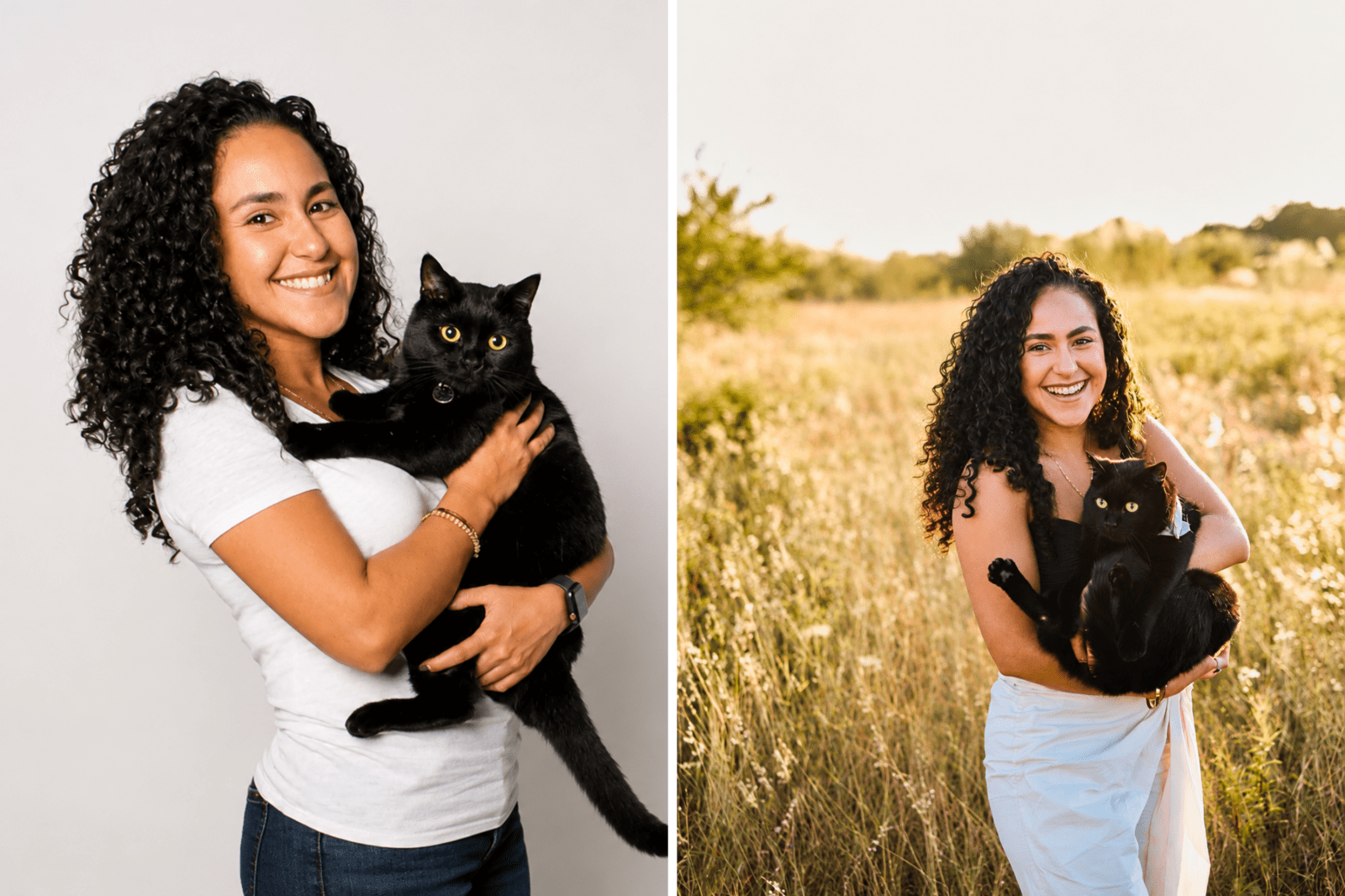
Yvette Ramirez had never used tobacco and had no family history of lung cancer. She was only 32 and living in the Netherlands when a persistent cough changed her life. This cough, which started in September 2022, led to a shocking diagnosis of stage 4 lung cancer.
Ramirez’s case highlights a troubling trend oncologists are noting: lung cancer is increasingly diagnosed in younger, nonsmoking individuals. Often, these cases are due to genetic mutations rather than tobacco use and are frequently detected late since doctors do not typically expect to find it in young, healthy patients. Ramirez, of Cuban- and Salvadoran-American descent and raised in Florida, misjudged her cough as a seasonal issue. It wasn’t until months later, after several misdiagnoses, that a PET scan revealed a tumor. A biopsy confirmed the presence of stage 4 EGFR-mutated non-small cell lung adenocarcinoma, which had spread to her brain.
Grieving a Lost Future
Following the diagnosis, Ramirez faced not only health challenges but also the loss of the future she envisioned, such as starting a family. This realization led her to reconsider how she wanted to leave her mark on the world.
Creating Children’s Books Amidst Cancer
Ramirez revived a dormant project: creating bilingual children’s books that depict families like her own. She founded Kuro Libros, an independent publishing brand. The debut book, Mi Familia Cubana con Kuro / My Cuban Family with Kuro, features her black cat, Kuro, visiting family in Miami.
The project wasn’t born from her diagnosis, but it reshaped her relationship with time. Initially hesitant to share her cancer diagnosis publicly, she now sees its value. She aims to demonstrate that stage 4 lung cancer isn’t confined to stereotypes, affecting even young nonsmokers.
Ongoing Treatment and Resilience
In 2023, Ramirez began targeted therapy with osimertinib but had to switch due to drug-related pneumonitis. She later used erlotinib and combined it with tepotinib after identifying MET amplification. Ramirez continues treatment while participating in regular imaging and monitoring. She chooses to live with lung cancer as a chronic disease rather than let it define her identity.
“Continuing to make plans and pursue meaningful work is a way of refusing to let cancer become my entire identity,” she says.
If you have health concerns, share them with Newsweek at [email protected]. Your story could be featured, and experts can provide advice.
Leave a Reply