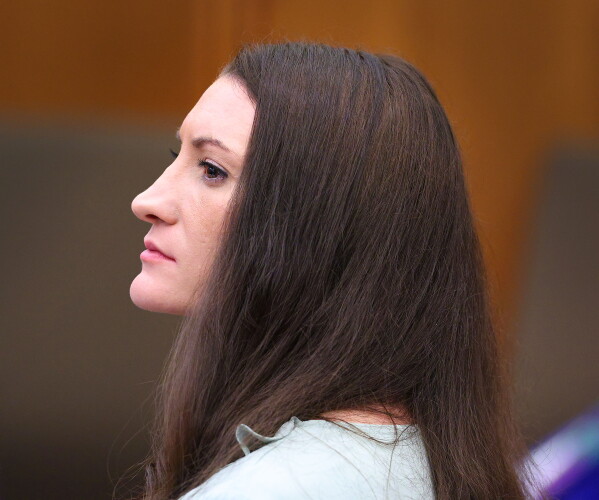
Lindsay Clancy’s former mother-in-law testified that Lindsay was “begging for help” in the months before she killed her three children and attempted suicide. Susan Clancy shared this during Lindsay’s murder trial.
Help and Struggles
Susan Clancy, a labor and delivery nurse like Lindsay, described a close relationship with her former daughter-in-law. She spoke of Lindsay as a “wonderful mother” who was “nurturing and loving.” Her statements supported earlier emotional accounts from Lindsay’s mother and sister. They detailed a decline in Lindsay’s mental health, involving anxiety, paranoia, and thoughts of suicide in late 2022.
The court saw texts where Lindsay confessed to Susan Clancy about her fear of benzodiazepine dependency. Lindsay texted on November 30, 2022, expressing terror about taking medication that night just two months before the incident.
Defense and Prosecution’s Arguments
The trial focuses on Lindsay’s mental state. Her lawyers claim she had postpartum psychosis, arguing she shouldn’t face criminal liability. They say she also had bipolar disorder, worsened by antidepressants she received after her third child. Susan Clancy testified about Lindsay’s mental distress, noting Lindsay frequently stayed with her mother to avoid sleeping alone.
Lindsay’s sister, Allison Ozga, testified that Lindsay had daily suicidal thoughts in December. Her mother, Paula Musgrove, spoke of a worrying moment in December when Lindsay candidly admitted to having thoughts of harming her children.
Prosecutors allege Lindsay planned the killings on January 24, 2023, manipulating events to have her husband leave home for takeout and pharmacy errands. They showed evidence of her performing normal activities that day.
Legal Proceedings
Patrick Clancy described his horror at discovering his deceased children upon returning home. A seven-minute 911 call played during his testimony illustrated the intense trauma.
The defense criticizes Lindsay’s disjointed medical care, asserting she was overmedicated and lacked sufficient treatment coordination. Her lawyer, Kevin Reddington, pointed out occasions when Lindsay sought psychiatric help and faced obstacles in receiving needed care.
If convicted of murder, Lindsay Clancy could receive a life sentence without parole. However, if declared not guilty due to mental incapacity, she might be committed to a state mental health institution.
Leave a Reply