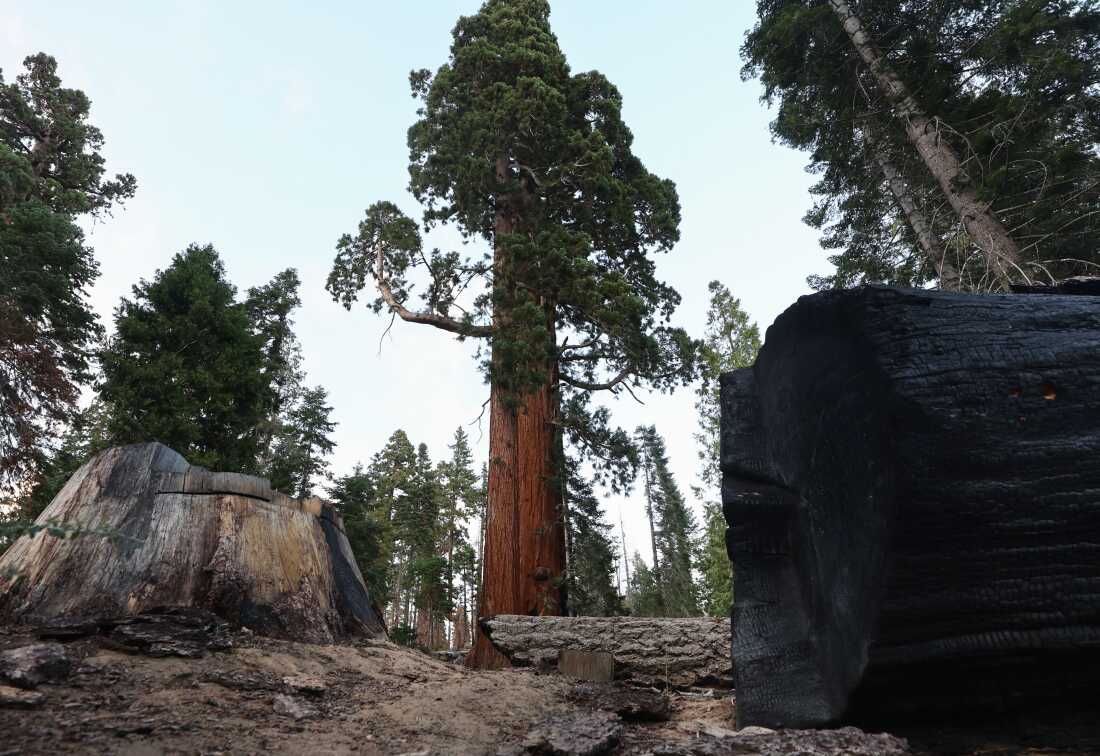
The Trump administration plans to reverse an environmental rule that currently limits road construction and, consequently, logging and mining on public forest land. Established during the Clinton administration in 2001, the ‘roadless rule’ has been a contentious issue in the U.S. for years, particularly in the Western states.
U.S. Department of Agriculture Secretary Brooke Rollins emphasized the need for change. ‘Our forests can’t afford another decade of inaction,’ she stated. ‘It’s time to turn the page on the failed roadless rule and return our forests to health and productivity.’
Republican governors from Montana, Utah, and Wyoming showed their support for this change. Utah Gov. Spencer Cox remarked, ‘Rescinding it restores the flexibility to make thoughtful decisions based on the needs of each forest and each community.’
Conversely, supporters of the roadless rule argue it plays a crucial role in U.S. conservation policy by protecting public lands from industrial activities. Drew Caputo from Earthjustice noted, ‘The roadless rule protects some of the most valuable public lands that belong to all Americans.’
Despite claims that economic activity would increase, others argue the roadless policy had ended unprofitable timber sales that subsidized private operations. Steve Ellis of Taxpayers for Common Sense warned that repealing the rule could add to the $6 billion U.S. Forest Service road maintenance backlog.
This proposed change arises during a challenging wildfire season in Western states. Officials suggest removing the roadless rule would allow more flexibility to manage and prevent wildfires. Nick Smith from the American Forest Resource Council said more roads could aid fire crews in accessing remote areas.
However, Drew Caputo highlighted that over 80% of wildfires stem from human actions, suggesting more roads might increase fire risks. He cautioned that more backcountry roads could lead to more large fires fueled by human activity. Climate change and low snowpack levels have worsened conditions, contributing to drought and high fire risks.
Public comments on the proposed rule change are open until September 21, 2026. This move follows other environmental rollbacks by the Trump administration, including changes to the Endangered Species Act and opening marine monuments to fishing.
Leave a Reply