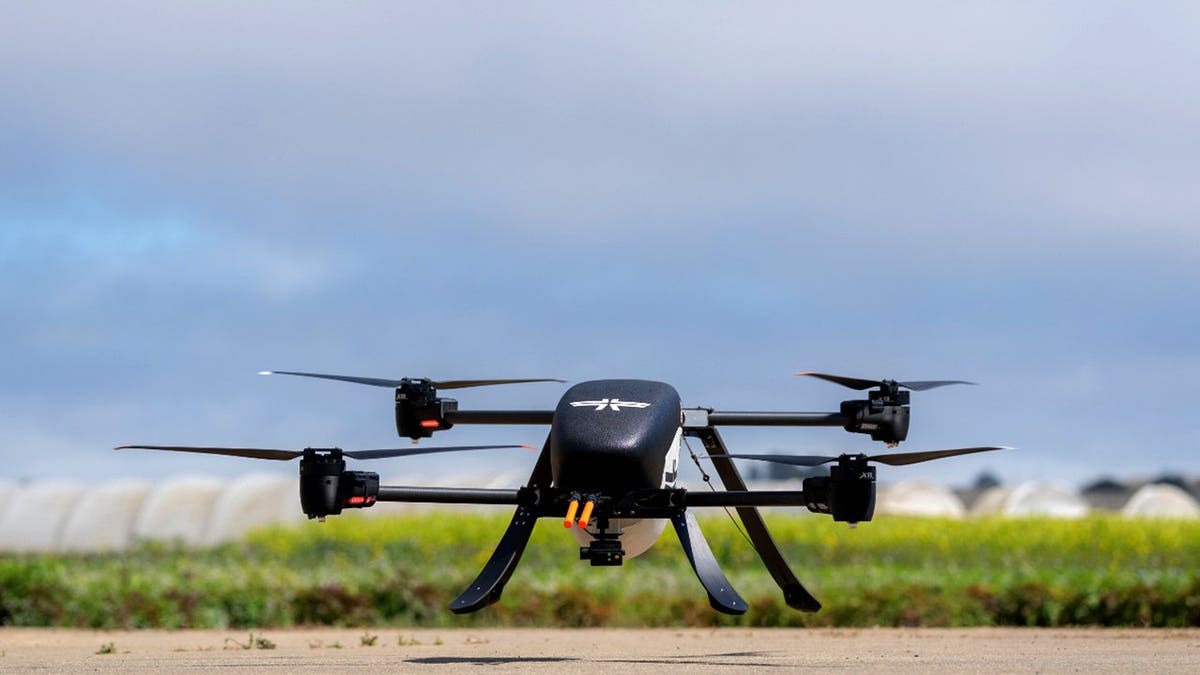
Wildfires can quickly grow, especially in remote areas, before firefighters can reach them. Autonomous drones are emerging as a tool to respond faster. Recently, CAL FIRE tested Seneca’s firefighting drones in California. Elsewhere, teams in the $11 million XPRIZE Wildfire competition tested other autonomous systems in Alaska. Their goal is to detect and suppress fires early.
Climate Change and Wildfire Risks
NOAA reports that human-caused warming is leading to severe wildfires in California and the western U.S. Research links warming with longer wildfire seasons in the West. This underlines the importance of early detection.
Testing Firefighting Drones
In July, CAL FIRE, in collaboration with FireWERX and Seneca, field-tested autonomous firefighting drones. Deputy Chief Jack Worden emphasized the potential of this technology, which could complement traditional methods involving backpack pumps and hand tools.
Seneca’s drones are designed to respond quickly. They use onboard sensors and AI to locate fires, delivering aerated Class A foam. Although they cannot match large airtankers in payload, these drones aim for early intervention in hard-to-reach locations.
Operational Challenges and Advantages
Seneca’s drones, though not as powerful as larger firefighting aircraft, offer unique advantages. They are transportable, can reach high-risk areas, and are suitable for nighttime and difficult terrain operations. Tested previously by San Bernardino County Fire, their capabilities in semi-autonomous early wildfire response are evident.
Seneca plans to introduce their drones in Colorado’s Aspen Fire Protection District. With an agreement in place, the system’s implementation is set for 2026. This move marks a step toward integrating these systems in real-world operations.
AI in Fire Detection
California currently uses AI for early fire detection. CAL FIRE’s collaboration with UC San Diego’s ALERTCalifornia has shown success in detecting fires faster than traditional methods. Additionally, Google’s FireSat project advances satellite-based early detection, aiming to complement ground operations.
Future Implications
If you live in an area prone to wildfires, autonomous drones might offer improved response times in the future. Yet, their limitations in payload and dependency on weather remain. Until these systems move from demonstration to full deployment, reliance on traditional alerts and evacuation plans is crucial.
The main advantage of these drones is time. Their quick response could stop a small ignition from becoming an unmanageable fire.
Conclusion
Autonomous firefighting drones provide a glimpse into future fire management strategies. The focus on reaching fires in the critical early minutes differentiates them from traditional methods. As development continues, their ability to operate effectively alongside human crews and under varied conditions will determine their practical value.
Leave a Reply