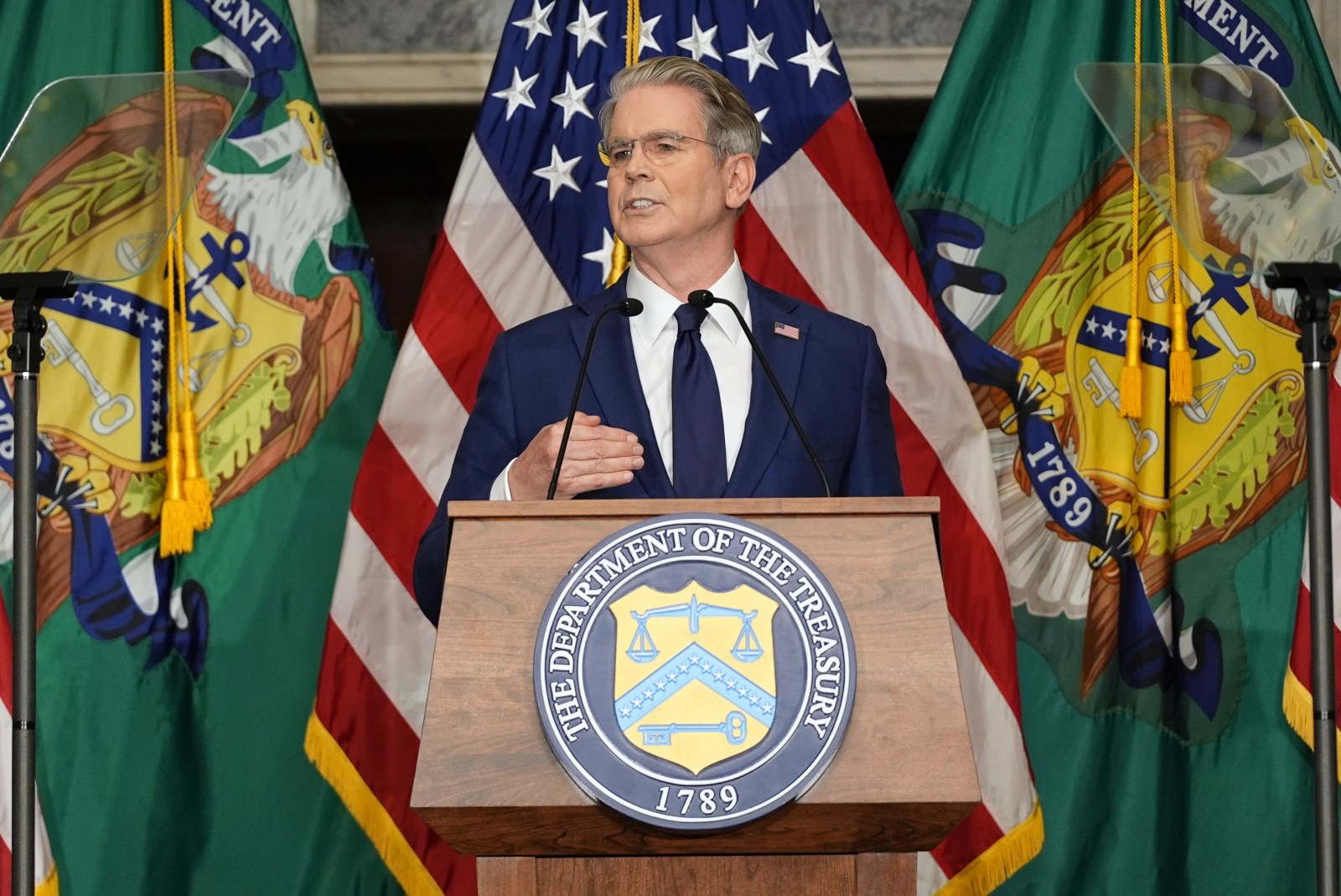
The Trump administration has launched a comprehensive economic offensive against Iran, unveiling sanctions and enforcement measures aimed at isolating the Islamic Republic’s financial structures. Dubbed “Operation Economic Outcast,” the initiative targets entities continuing business with Tehran while expanding sanctions across key sectors of Iran’s economy. Treasury Secretary Scott Bessent stated, “Economic engagement with this regime will expose those responsible to American power.”
The effort escalates President Trump’s pressure on Iran amid inflation, currency issues and trade restrictions. The goal is to dismantle economic lifelines supporting Iran and its Islamic Revolutionary Guard Corps. Analysts assert this strategy shifts enforcement intensity rather than sanctions themselves. Pierre Pahlavi from the Canadian Forces College noted the campaign’s focus on international actors aiding Iran’s economic activities as significant.
Iran criticized the strategy, with spokesperson Esmail Baghaei threatening a forceful response. This move follows setbacks, such as the UAE suspending trade with Iran. However, Tehran maintains leverage through the Strait of Hormuz, disrupting crucial energy routes.
“What changes here is less the existence of legal instruments than the political decision to use them more systematically,” Pahlavi emphasized.
Expansion of Sanctions into Critical Sectors
The initiative expands sanctions involving technology, digital assets, gold, aviation, and shipping—key to Iran’s economy. The administration aims to restrict foreign entities engaging in these sectors. Iran’s reliance on cryptocurrency, gold markets, and shipping networks to bypass restrictions are targeted.
Following Bessent’s announcement, Iran’s currency hit a new low. The rial traded around 2.02 million per dollar, down from an official rate of 1.5 million. Economic pressures have surged prices for goods like rice and beef significantly, as projected by the IMF.
Sanctions on Multiple Entities
The Office of Foreign Assets Control sanctioned nearly 60 entities linked to Iran’s oil networks, cyber operations, and missile development. This involves companies and individuals in or working with jurisdictions such as Hong Kong and Singapore.
Crackdown on Oil Trade and Maritime Transport
The sanctions focus heavily on Iran’s oil trade and shipping networks, targeting brokers and vessels facilitating Iranian oil movements despite restrictions. Guidance warns businesses of risks in the Strait of Hormuz.
Targeting Cyber Networks and Procurement
The sanctions package targets Iranian cyber actors compromising various sectors, including critical infrastructure. Additionally, procurement networks aiding Iran’s missile and nuclear ambitions face restrictions.
Implications for Foreign Governments
The U.S. plans to engage global governments, imposing timelines to halt Iran-related activities. Non-compliant entities risk secondary sanctions and exclusion from the U.S. financial system. China, Iran’s biggest oil customer, faces scrutiny, having reduced purchases since the U.S.-Israeli conflict.
Enforcement targeting China-based firms involved in Iranian oil transactions remains pivotal. Pahlavi stressed the importance of reducing Iran’s oil revenue by influencing foreign firms to opt for U.S. financial system access.
These measures highlight severe U.S. efforts to isolate Tehran economically, setting potential confrontation as Iranian officials vow to respond to heightened pressure.
This report includes recent updates revising China’s oil import data based on current Kpler figures.
Leave a Reply