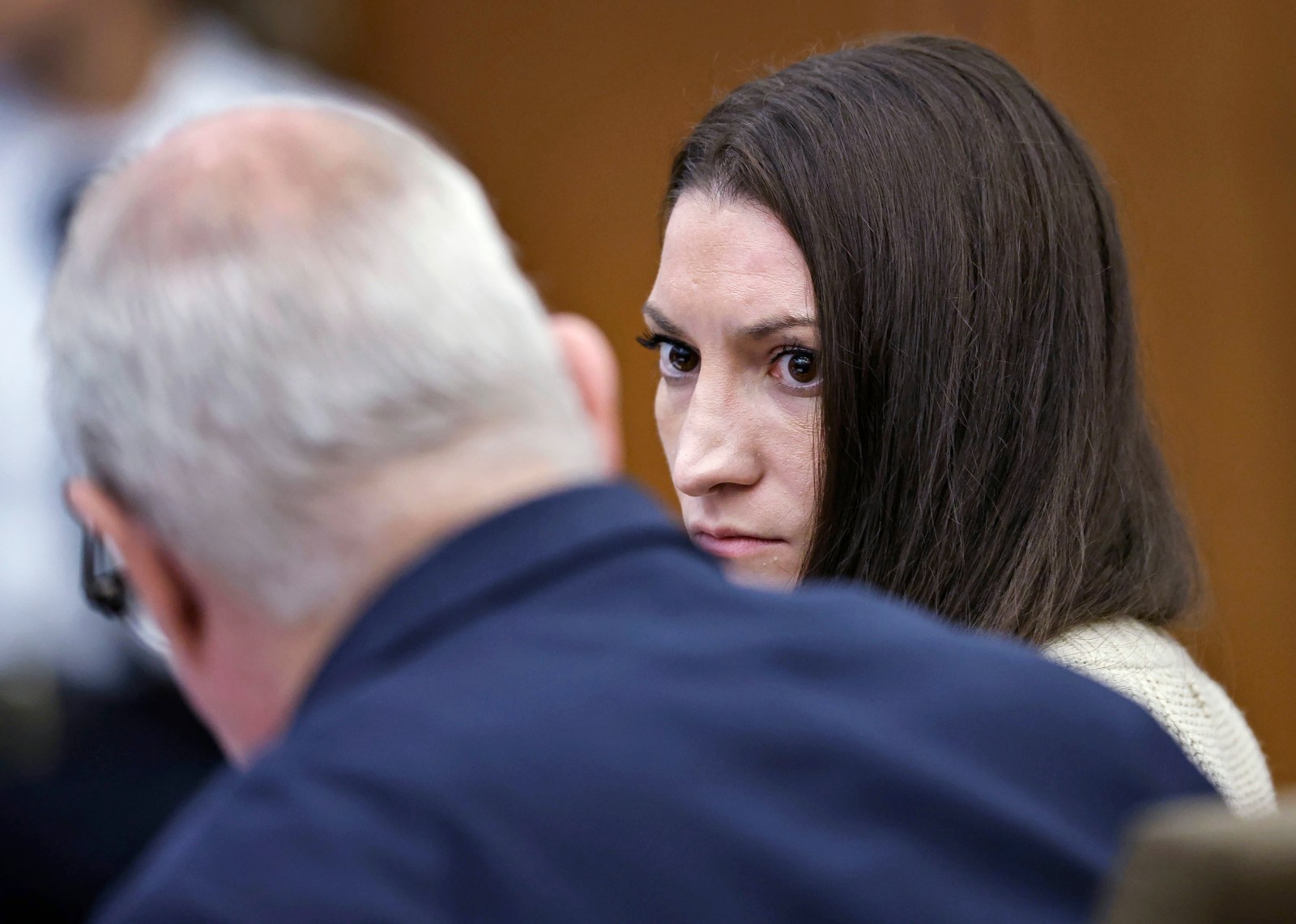
As the trial of Lindsay Clancy nears its conclusion, tensions flared in the courtroom when defense attorney, Kevin Reddington, challenged the prosecution’s psychiatrist, Dr. Avram Mack. The core issue was Mack’s assessment that Clancy was severely depressed but not psychotic when she killed her three children.
Courtroom Confrontation
Prosecutors attempted to counter the defense’s claim that Clancy experienced postpartum psychosis, making her not criminally responsible. Mack, during his testimony, stated that psychosis does not automatically impede understanding right from wrong.
“There’s no reason why psychosis in and of itself inhibits a person from knowing right from wrong,” Mack affirmed.
Reddington questioned Mack on his qualifications and the consistency of his methodology. He brought up past cases where Mack’s testimony faced scrutiny. Mack defended his position against Reddington’s assertions, maintaining his evaluation methods.
Diagnosis Discrepancies
The trial exposed differences between prosecution experts. Mack diagnosed major depressive disorder, while Dr. Kirk Heilbrun, a fellow prosecution expert, identified bipolar II disorder in Clancy. Despite different diagnoses, both experts rejected the defense’s psychosis claim.
Religious Controversy
Heilbrun’s mention of Clancy’s Catholic beliefs led to a clash, prompting Reddington to call for a mistrial due to perceived misconduct. Judge William Sullivan denied the motion but instructed the jury to disregard the religious discussion.
Despite these disputes, experts agreed that Clancy did not experience acute psychosis during the killings. Heilbrun depicted her as a suicidal woman attempting to prevent her children from suffering.
The Debate Over Mental State
While the defense argued for postpartum psychosis, the prosecution insisted Clancy understood reality and had control over her actions. Mack pointed out her ability to think clearly and function normally before the incident.
Medication Influence?
Edward L. Jones III suggested that psychiatric medications Clancy was prescribed might have influenced her mental state. He referenced similar cases and noted warnings associated with medications like Zoloft and Prozac.
The connection between medications and Clancy’s actions remains speculative, as Jones is not directly involved with the case.
Closing Stages
The trial continues with the jury expected to deliberate on whether Clancy’s actions were due to a psychotic break or a comprehensible suicidal crisis. Closing arguments and a final verdict are anticipated shortly.
Leave a Reply