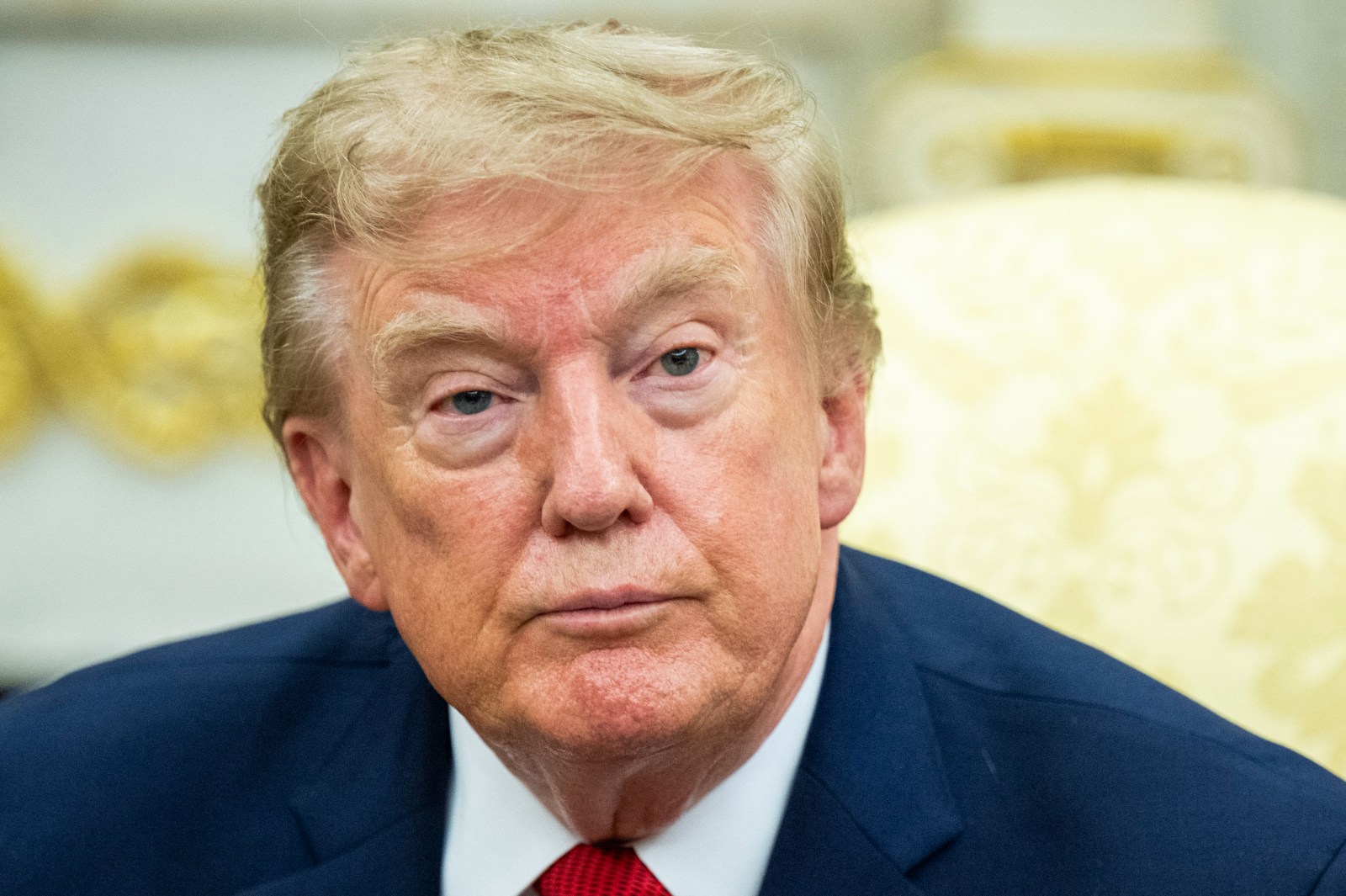
President Trump’s Approval Rating Decline
President Donald Trump criticized the recent polling as ‘fake polls’ on Monday, given his declining approval ratings leading up to the midterm elections. Historically, low presidential approval ratings negatively impact the ruling party during midterms. With Trump’s ratings falling, Democrats view this as a chance to challenge his policies, aiming for success in the House and Senate.
Economic issues and foreign policies, particularly affordability and inflation, are shaping public opinion. Trump’s 2024 campaign focused on affordability. However, inflation remains a concern, and the Iran conflict has escalated gas prices, affecting economic perceptions.
Trump’s Critique of Polls
In a Truth Social post, Trump accused the ‘Radical Left Democrats’ of spreading misleading polls. He described them as ‘Demoralization Operations’ meant to discourage Republican voter turnout. Yet, he insisted the real polls show strong support and national spirit.
Analysis of Approval Ratings
Trump’s approval ratings have significantly dropped since his January 2025 return to office. A Reuters/Ipsos poll showed 65% disapproval and 33% approval among 1,215 adults nationwide in August 2026. Similarly, Echelon Insights, YouGov/The Economist, and Morning Consult polls reinforced the negative trend, although the numbers varied slightly, all indicating more disapproval than approval.
State-wise Approval Ratings
Trump’s approval ratings have shifted across states, including those he previously won easily in the 2024 elections, as reported by Civiqs.
Trump’s Popularity Compared to His First Term
RealClearPolitics aggregated polling reflects a decline in Trump’s popularity compared to his first term, with current ratings worse than former President Joe Biden’s similar period ratings. Nate Silver’s polling aggregate also shows Trump’s approval below his first term numbers.
Implications for Midterms
Trump’s decreasing popularity presents challenges for Republicans defending seats in the midterms. Analysts favor Democrats to regain the House, given Republicans’ narrow majority. The Senate appears tougher for Democrats due to fewer pickup opportunities, necessitating wins in conservative states like Alaska and Texas.
Democrats are optimistic about these states being competitive due to Trump’s current unpopularity.
Historical Context and Prediction Markets
Historical voting shifts under previous administrations highlight potential Democratic gains. Prediction markets reflect trader sentiment, suggesting Democrats have a strong chance to regain the House, though the Senate remains uncertain.
Future Considerations
Trump’s approval ratings will remain a key indicator of public sentiment as the November 2026 midterms approach. Economic conditions and the impact of the Iran conflict are expected to heavily influence voter opinions.
For information or clarifications, Newsweek editors Jason Lemon and Gray R. Thomas can be contacted.
Leave a Reply