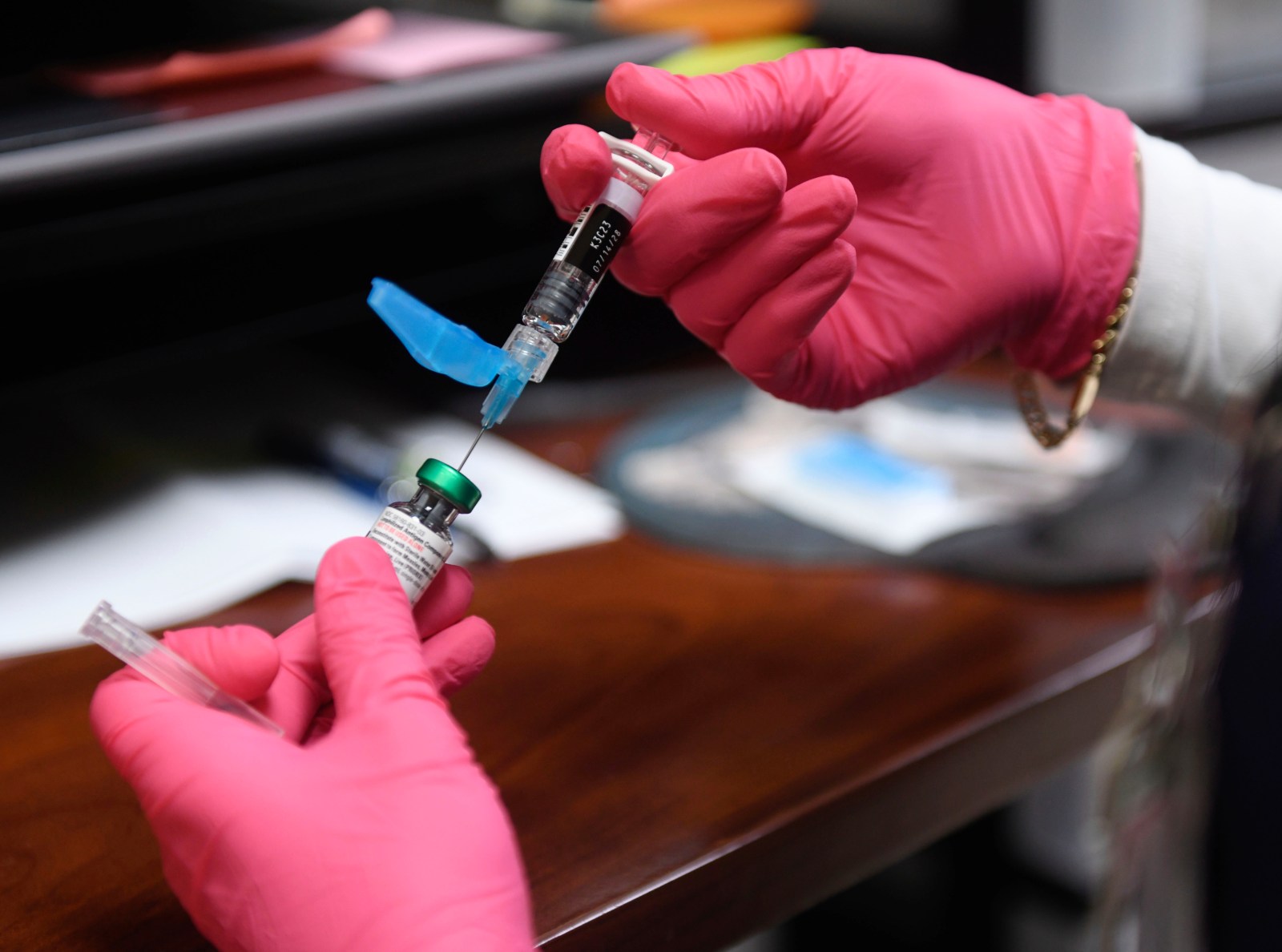
Measles Outbreak in Maryland
Health officials in Maryland have reported a measles outbreak across three counties: St. Mary’s, Carroll, and Cecil. This development follows the confirmation of 14 new cases, all among unvaccinated residents. With these new cases, the state’s measles total for the current year has increased to 31.
Since July 15, 27 cases have been recorded, none involving vaccinated individuals. No public exposure sites have been identified, suggesting limited community spread. The majority of the infections have occurred within households. The cases have been distributed as follows: 13 in St. Mary’s, 8 in Carroll, 5 in Cecil, and 1 in Charles County. Earlier in the year, four cases appeared in Anne Arundel, Baltimore, and Prince George’s Counties.
Maryland’s Department of Health, led by Secretary Dr. Meena Seshamani, is collaborating with local health bodies to increase vaccination rates and facilitate access to immunizations. Dr. Seshamani emphasized the high contagion rate of measles, underscoring the importance of vaccination. She reassured that fully vaccinated individuals remain at low risk, encouraging public cooperation to protect vulnerable groups.
Controversy Over Vaccine Recommendations
The current outbreak ties in with President Donald Trump’s stance on modifying childhood vaccination schedules. Trump has advocated for dividing the measles, mumps, and rubella (MMR) vaccine into separate injections. He claims this change may contribute to autism prevention, a statement not supported by scientific evidence.
Healthcare experts, including Dr. Mehmet Oz from the Centers for Medicare and Medicaid Services, have criticized Trump’s assertions. They maintain that decades of research indicate no connection between the MMR vaccine and autism. During a recent appearance on CBS News’ ‘Face the Nation,’ Dr. Oz refuted the administration’s claims, reaffirming the safety of the combined MMR vaccine.
In a White House event, Trump further insinuated that the combined vaccine could be harmful, proposing separate shots as a safer alternative. Despite these claims, health authorities continue to endorse the existing MMR vaccination schedule, beginning with a first dose at 12-15 months and a follow-up at 4-6 years old.
Delaying vaccinations by implementing separate shots poses a risk, potentially leaving children unprotected as measles cases rise. Maryland health officials, alongside leading medical organizations like the CDC, uphold the standard vaccination protocol to safeguard against this highly transmissible disease.
Leave a Reply