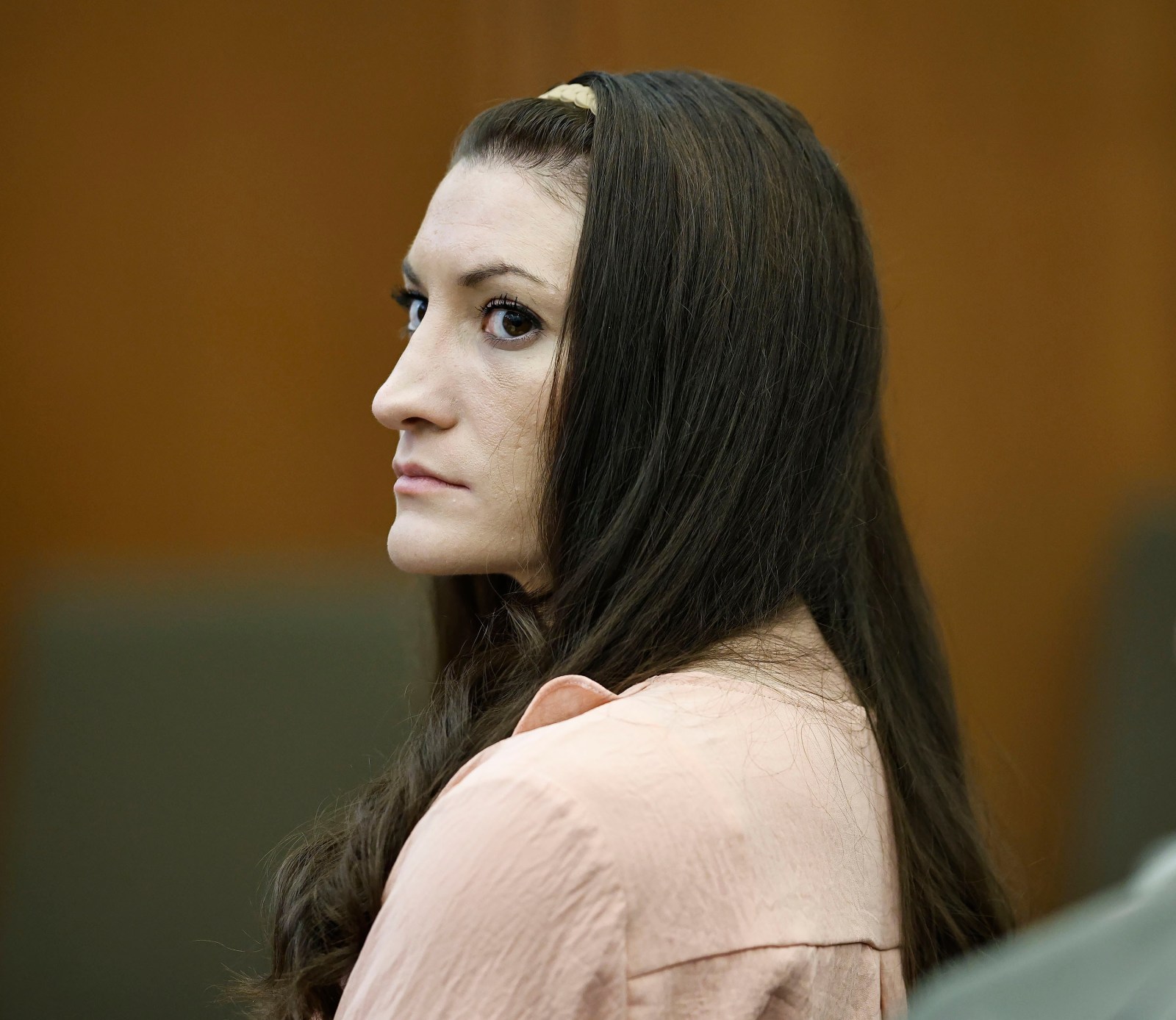
The Lindsay Clancy murder trial is reaching its final phase this week with closing arguments expected on Thursday. The trial has presented detailed testimony regarding the tragic events of January 24, 2023, when Clancy killed her three children, and questions remain about her mental state at the time.
Challenges to Clancy’s Account of Auditory Hallucinations
Dr. Gregory Saathoff, a forensic psychiatrist, testified that Clancy’s accounts of hearing a male voice telling her to kill her children were inconsistent and unusual. His testimony aimed to challenge the defense’s argument that Clancy was experiencing auditory hallucinations associated with postpartum psychosis. He pointed out discrepancies in the timing and details of the supposed hallucination, suggesting that Clancy’s description of the voice was inconsistent with typical cases of psychosis.
Mistrial Motion and Religious References
The defense made a dramatic motion for a mistrial, accusing prosecutors of misconduct after a prosecution psychologist mentioned Clancy’s Catholic faith. The judge rejected the mistrial request but instructed jurors to disregard these references, emphasizing the impact religious comments might have in the courtroom.
Debate Over Mental State and Criminal Responsibility
The trial centers on whether Clancy was criminally responsible for the killings. The defense admits Clancy committed the acts, but attributes them to severe postpartum mental illness. Conversely, prosecutors argue she understood the wrongfulness of her actions despite her mental illness.
Prosecution’s Alternative Explanation
Dr. Kirk Heilbrun proposed an alternative explanation, suggesting Clancy committed the act with ‘altruistic filicide’ motives, believing her children would suffer without her. His testimony contradicted the defense’s portrayal of a psychotic episode driven by command hallucinations.
Defense’s Case for Postpartum Psychosis
Defense psychiatrist Dr. Phillip Resnick described Clancy as “frankly psychotic” at the time of the killings. He likened her to a puppet under the control of command hallucinations and offered this as a core argument for her lack of criminal responsibility.
Emotional Testimonies and Digital Evidence
Testimonies from Clancy’s husband and medical examiners provided poignant insights into her mental health struggles and the severity of the crimes. Digital evidence of Clancy’s search history was debated, with both sides offering interpretations of her internet history as either planning or symptomatic of mental decline.
A High-Profile Trial Surrounded by Controversies
The trial attracted additional attention when Vanity Fair journalist Brittany Romano lost her credentials after being caught smiling on camera during the proceedings. The controversy highlighted challenges journalists may face in emotionally charged settings.
Possible Outcomes and Next Steps
Clancy faces a potential life sentence without parole if convicted. However, if acquitted due to lack of criminal responsibility, she could be committed to a state psychiatric facility. The jury will soon deliberate after closing arguments, deciding between holding Clancy responsible or recognizing her as a victim of severe mental illness.
Leave a Reply