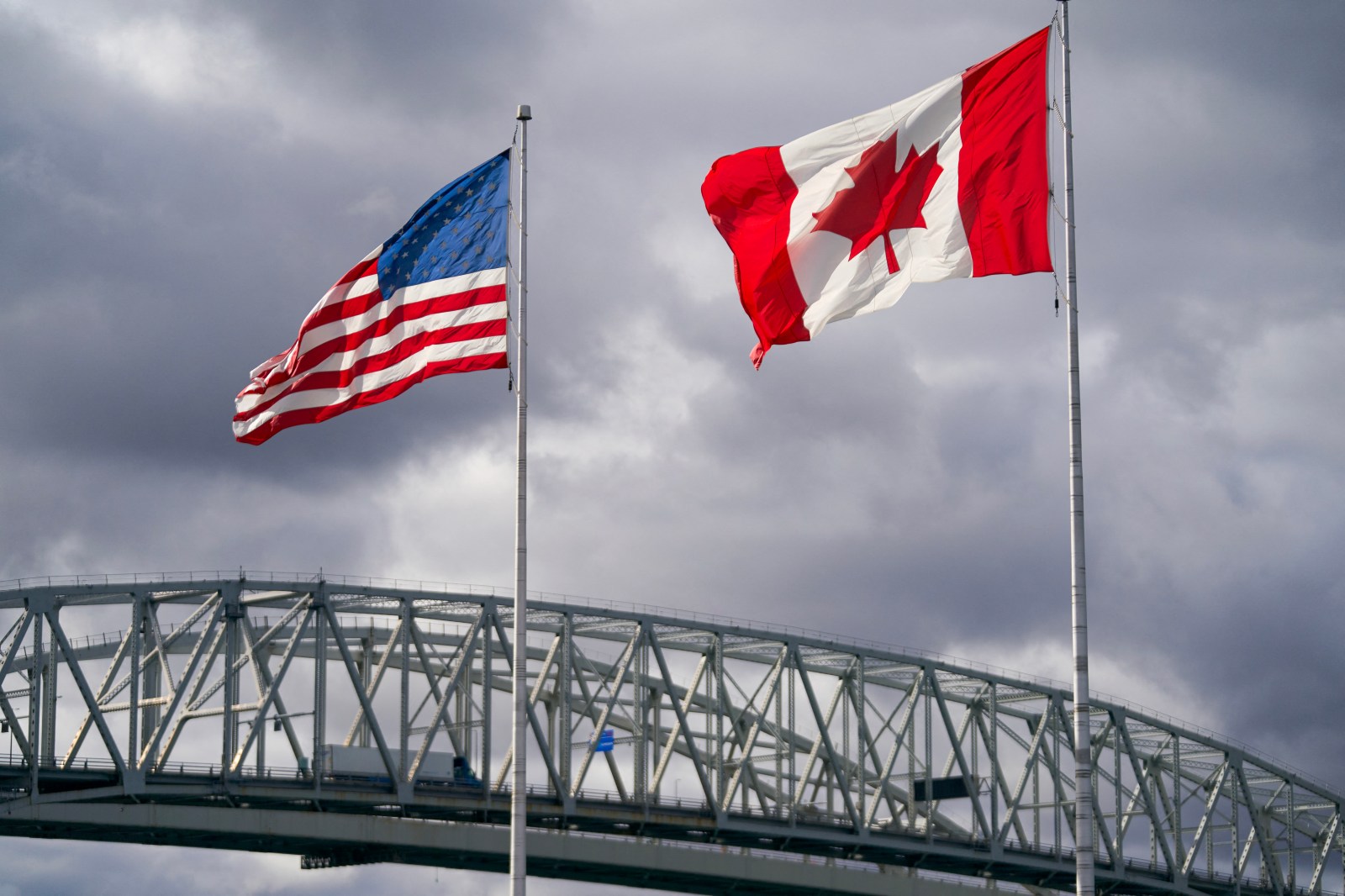
President Donald Trump’s trade war with Canada poses new challenges for Republican candidates in key Senate races. Canada’s retaliatory tariffs on U.S. goods followed the collapse of negotiations with Washington after the administration raised tariffs on Canadian imports worth around $20 billion. Economists warn these actions could increase costs and disrupt supply chains, particularly in competitive Senate battleground states that might determine control of the chamber in the coming midterm elections.
Alex Beene, a financial literacy instructor at the University of Tennessee at Martin, emphasized the economic impact of these tariffs on U.S. consumers, particularly in states like Michigan, Ohio, and Alaska, where Canada is a critical trading partner. Democrats aim to reclaim the Senate through a mix of traditional battlegrounds and Republican-held states like Alaska, Iowa, Ohio, and Texas, while Michigan stands as one of the most competitive open-seat races in the country. Maine offers another strong opportunity for Democrats.
Why It Matters
The U.S. and Canada share one of the world’s largest trading relationships, supporting industries such as auto, agriculture, seafood, forestry, and energy. States with competitive Senate contests are particularly vulnerable as Canada remains a major export market and a critical supplier of raw materials and components. A prolonged tariff standoff could impact jobs and consumer prices right before voters hit the polls.
Senate Battleground States Most Exposed to Canada Tariffs
- Michigan
- Ohio
- Iowa
- Maine
- Alaska
- Texas
Kevin Thompson, CEO of 9i Capital Group, noted, “No one wants to pay more for goods and services, yet that is exactly what is happening.”
Michigan: Auto Industry in the Crosshairs
Michigan illustrates a state caught between economic impacts and politics. One-third of Michigan’s exports go to Canada, with its automotive sector relying heavily on cross-border supply chains. Canada’s retaliatory tariffs target products linked to steel, aluminum, and manufacturing. With the open Senate race following Democratic Senator Gary Peters’ retirement, Democratic nominee Abdul El-Sayed criticizes the trade war, asserting, “Trump is escalating a trade war with Canada for his own vanity.”
Ohio: Manufacturing and Agriculture at Risk
Ohio’s exports to Canada amounted to approximately $21.8 billion, making Canada its largest international trading partner. The tariffs affect Ohio’s manufacturing, steel, aluminum, and related supply chains. As the Senate contest unfolds between Republican incumbent Jon Husted and Democrat Sherrod Brown, tariffs might become an issue in industrial communities dependent on Canadian customers or imports.
Iowa: Farmer and Farm Equipment Pressure
Iowa’s economy relies heavily on North American trade, particularly in agriculture and farm manufacturing. Canada targets products like farm equipment and dairy-related goods in its retaliation. Senate races, including that between Republican Representative Ashley Hinson and Democratic challenger Josh Turek, are heating up amid tariff tensions.
Maine: Lobster, Blueberries, and Lumber
Maine Republican Senator Susan Collins has spoken against Canadian tariffs, warning that industries like lobster, blueberries, and lumber could suffer. Maine’s economy is tightly linked to Canada through forestry, seafood, tourism, and agriculture, making Collins’ reelection campaign against Democrat Troy Jackson intensely competitive as Democrats eye this race for a pickup.
Alaska: Seafood Exports
Canada’s tariff focus on fish and seafood could impact Alaska, a key seafood exporter. Former Democratic Representative Mary Peltola aims to unseat Republican Senator Dan Sullivan. The trade dispute may become a focal point if seafood processors encounter adverse effects.
Texas: Biggest Dollar Exposure
Despite Canada accounting for a smaller portion of Texas’s economy than in some states, Texas faces significant exposure due to trade volume. The Senate race between Republican Ken Paxton and Democrat James Talarico has grown unexpectedly competitive. Tariffs influencing jobs or consumer prices could become a point of contention.
Canada’s retaliatory tariffs take effect on September 8, potentially impacting businesses and consumers shortly before the elections. With Senate control hinging on critical races in Michigan, Ohio, Iowa, Maine, Alaska, and Texas, the economic consequences of the tariff conflict may significantly influence campaign dynamics.
Leave a Reply