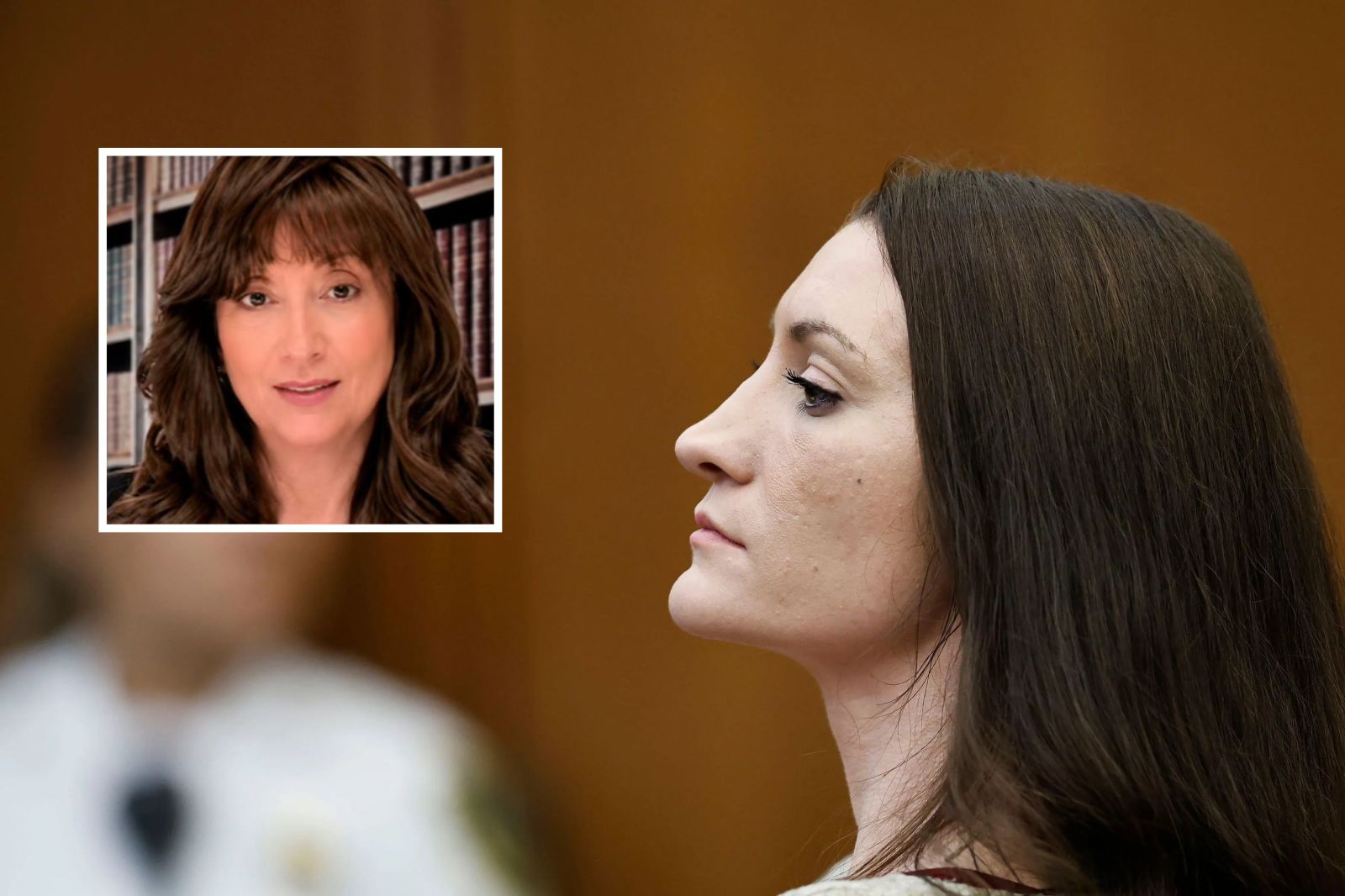
As Lindsay Clancy’s murder trial nears its end, the case has seen shifts in perspective on Clancy’s criminal responsibility for the deaths of her three children. Civil rights attorney Shari Karney, following weeks of testimony, now believes Clancy may not be criminally responsible, and this change of heart might influence the jury too.
Clancy’s Mental Health and Defense Claims
Clancy is accused of killing her children at their Massachusetts home in January 2023 and then attempting suicide. Her defense argues that postpartum psychosis and command hallucinations impaired her ability to discern right from wrong. Prosecutors, however, maintain that despite her mental health challenges, Clancy knew her actions were criminal.
Initially, Karney felt Clancy was responsible, based on the deliberate nature of her actions. However, the testimony from mental-health professionals altered Karney’s view, swaying her towards the defense’s argument of psychosis-driven actions.
Testimony Highlights
The trial’s last witness, forensic psychiatrist Dr. Gregory Saathoff, upheld the prosecution’s stance but acknowledged the prosecution’s opening statement underestimated Clancy’s mental health struggles.
Defense attorney Kevin Reddington highlighted discrepancies in the prosecution’s portrayal of Clancy’s treatment history, leading to Saathoff admitting that Clancy’s mental health crisis was undersold. This crucial concession adds weight to the defense’s case.
Healthcare System’s Role and Gender Implications
Karney argues the trial underscores systemic flaws in mental health care. Clancy sought extensive psychiatric help prior to the tragedy, indicating a failure in coordinated care. Karney likened Clancy’s emergency to a medical crisis requiring rapid, coordinated intervention, which she claims Clancy did not receive.
She also suggests that gender biases may soften responses to women reporting postpartum issues. Clancy’s symptoms might have been more urgently addressed had she been male, prompting a critical look at how women’s mental-health concerns are often dismissed.
Broader Implications
The trial raises broader questions about the understanding and treatment of postpartum disorders. Karney notes that this case, akin to the Andrea Yates case, should prompt crucial changes in mental health care for postpartum women.
Health care teams need to enhance coordination and responsiveness to psychiatric emergencies, ensuring women are not left to cope without proper support.
Key Takeaways
- The defense acknowledges Clancy killed her children, focusing instead on her mental state at the time.
- Clancy’s repeated attempts to secure psychiatric care before the killings highlight systemic healthcare failures.
- Defense experts diagnosed Clancy as psychotic, while prosecution experts disagreed, seeing her actions as deliberate.
- A prosecution witness agreed that their opening statement downplayed the extent of Clancy’s struggles.
- The case has become a wider examination of mental health care and legal interpretations of psychosis.
Trial Location and Clancy’s Current Situation
The trial is taking place at Plymouth Superior Court in Massachusetts. Clancy remains in custody, having been initially hospitalized after the incidents.
Potential Outcomes
Clancy has pleaded not guilty due to lack of criminal responsibility. A jury verdict of not guilty by reason of insanity could lead to confinement in a psychiatric facility rather than prison.
In the upcoming closing arguments, both sides will focus on whether Clancy’s mental state at the time of the killings absolves her of criminal responsibility.
Contact Newsweek editors on this story: Samantha Beech and Gray R. Thomas
Leave a Reply