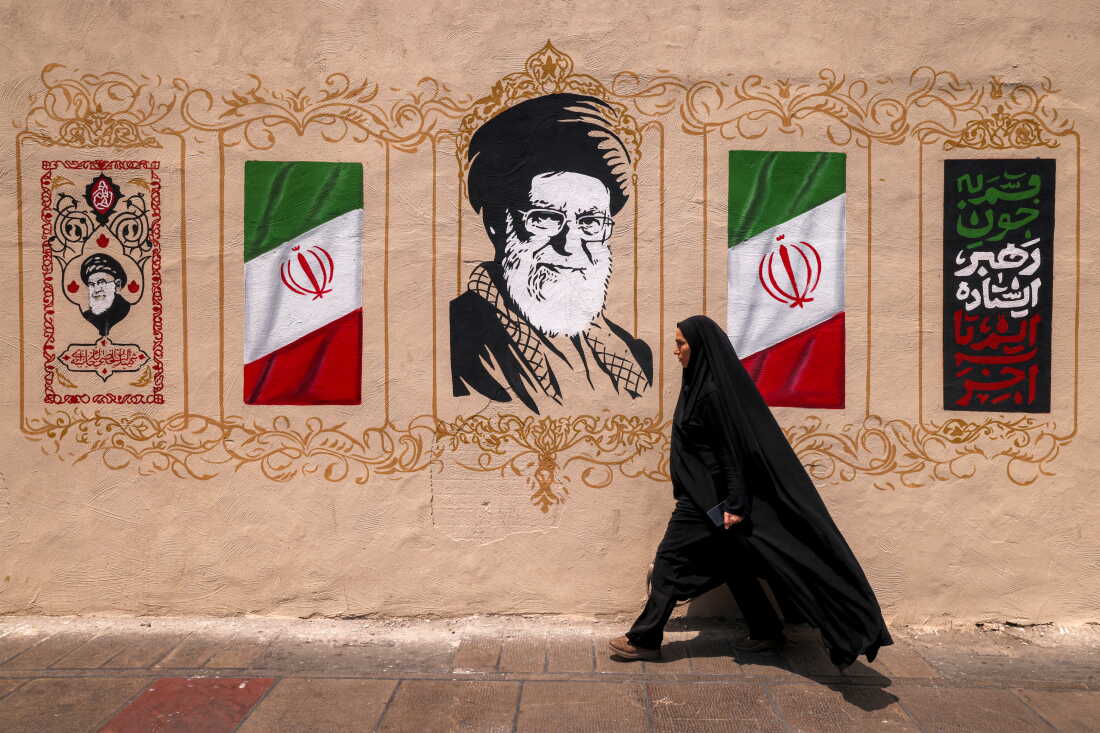
Persistence of Power in Iran
Six months have passed since the onset of conflict involving the U.S. and Israel against Iran. The primary aim was to destabilize Tehran’s regime, yet Iran’s leaders have managed to maintain control. Instead of collapsing, Iran has entrenched itself further, adopting a firmer stance.
Military Engagement
The U.S. and Israel launched intensive bombing runs on Iran from February 28 to April 8, concluding with a ceasefire. Initial attacks claimed the lives of several high-ranking Iranian figures, including Supreme Leader Ayatollah Ali Khamenei, who had led for over thirty years. In five weeks, Iranian air power and naval forces were significantly reduced. Critical damage was inflicted on missile and drone operations, though Iran retains the ability to retaliate in periodic exchanges.
Strategic Control of the Strait of Hormuz
Despite weakened military capabilities, Iran has effectively controlled the Strait of Hormuz, a crucial artery for global oil and gas supplies. The region’s shipping disruptions have affected economies worldwide, increasing fuel and goods prices. Talks with Oman to reopen the strait faced impediments due to U.S. opposition to Iranian control, showcasing Tehran’s strategic leverage in the region.
Diplomatic Efforts and Economic Challenges
Diplomatic attempts, led by President Trump, have stalled post-ceasefire. Recent U.S. airstrikes primarily targeted missile and drone sites near the Gulf coast. The failure of negotiations underscores longstanding animosity. The U.S. has initiated Operation Economic Outcast, tightening sanctions against Tehran. Despite economic downturns, including a 5.4% contraction predicted by the IMF, Iran’s leadership remains intact. Internal discussions highlight potential diplomatic re-engagement, though reliance on repression as a strategy faces skepticism.
Impact on Everyday Life
The ongoing conflict and economic strain have significantly impacted daily life. Inflation exceeds 80%, the rial loses value, and essential goods become scarce. Reports from residents reveal a reliance on credit and mounting debt for necessities, amid rising healthcare costs. Public unrest correlates with increased governmental intimidation and human rights violations, including numerous executions linked to national security.
Opposition Movement and Future Outlook
Analysts argue that protests alone may not suffice against a regime willing to employ lethal force. A strategic political agenda is necessary, aiming for defections within the regime. This approach, advocating for organized resistance, underscores the complexity of achieving change.
Leave a Reply