Background and Key Developments
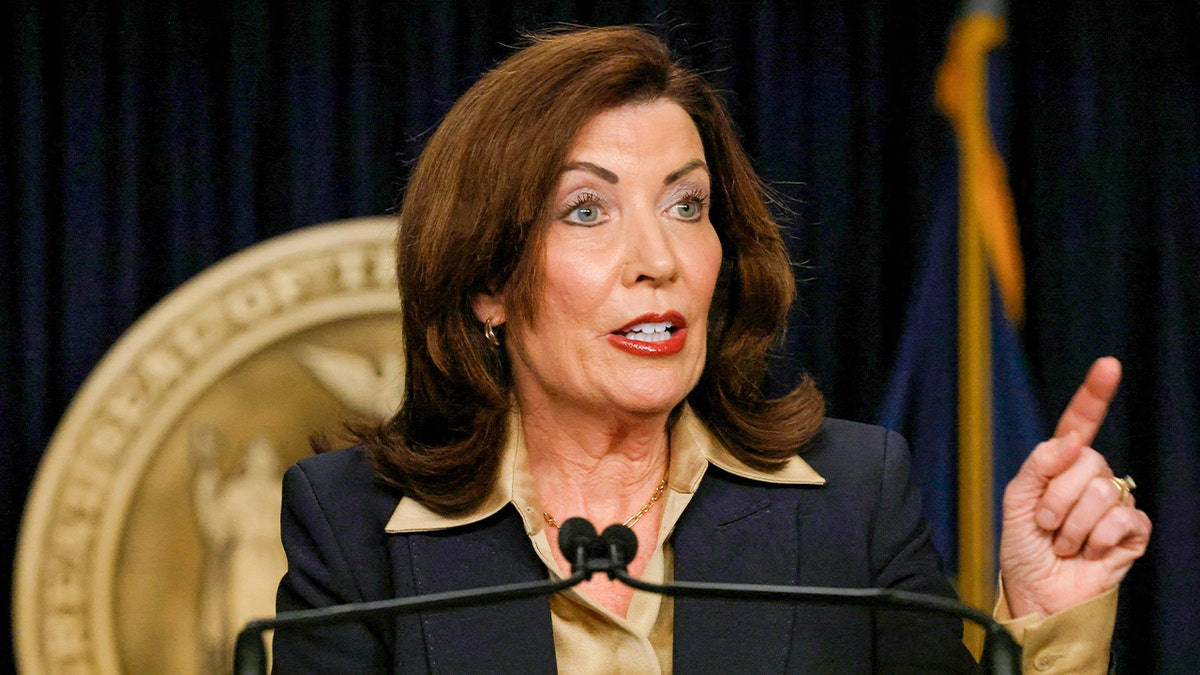
New York Governor Kathy Hochul recently defended the state’s decision to ban formal civil immigration-enforcement agreements between local law enforcement and ICE. During an interview on “Morning Joe”, Hochul emphasized that local officers should prioritize local crime rather than engage in civil immigration enforcement.
Department of Homeland Security’s Response
A spokesperson from the Department of Homeland Security criticized the restriction. The spokesperson argued that barring local enforcement from collaborating with DHS necessitates more federal agents in communities to apprehend criminals released from jails.
“Seven of the top 10 safest U.S. cities cooperate with ICE,” stated the DHS spokesperson, highlighting the discrepancy between New York’s strategy and other cities.
Specific Cases Cited by DHS
DHS cited several New York cases wherein individuals, despite ICE detainers, remained at large or were released. These cases involved serious charges like attempted murder and rape. ICE later detained these individuals and deported one to Mexico.
Governor Hochul’s Defense and Legal Landscape
Governor Hochul’s office responded to DHS’s criticism, asserting that co-opting local law enforcement for civil immigration enforcement does not enhance New York’s safety. The state maintains its commitment to cracking down on violent offenders while keeping communities safe.
Hochul emphasized the law, known as the Local Cops, Local Crimes Act, prohibits entering or maintaining 287(g) agreements. The legislation still allows jails to notify ICE about deportable individuals in custody under specific circumstances.
Legal Challenges and Federal Court Decisions
15 New York county sheriffs have filed a lawsuit against the Hochul administration, claiming the law improperly restricts their federally authorized ICE agreements.
Attorney General Letitia James recently took legal action against Rensselaer County and its sheriff, aiming to terminate their existing agreement.
Additionally, a federal judge denied the Justice Department’s request for a preliminary injunction against the ban, allowing the law to take effect.
Leave a Reply