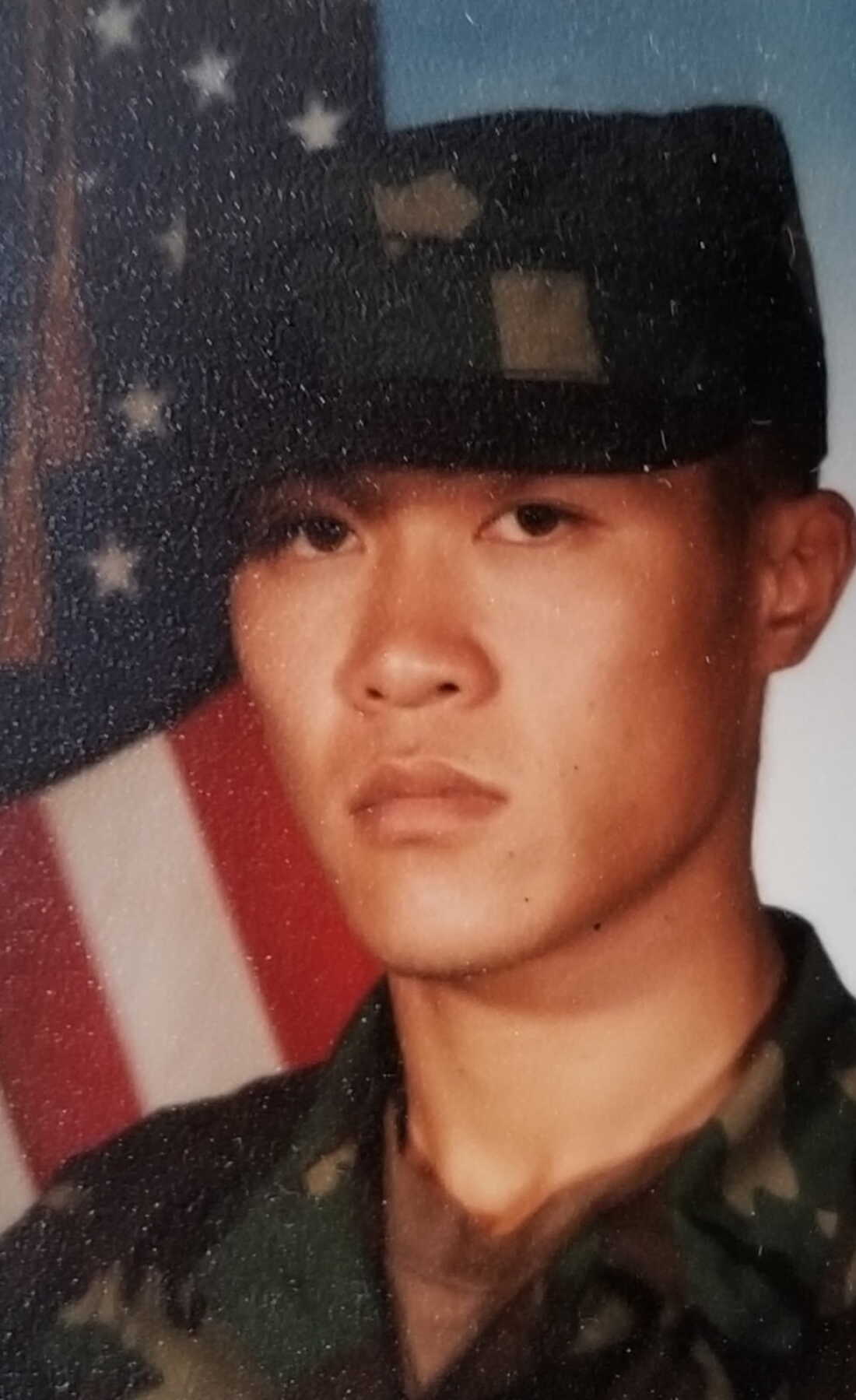
In June 2025, immigration authorities presented Sae Joon Park with a tough choice: leave voluntarily or face detention and deportation. Park, a Purple Heart veteran who had self-deported a year prior, was recently granted a pardon, a significant step in his efforts to return to the United States. Park has spent virtually his entire life in the U.S.
Governor Kathy Hochul of New York pardoned Park’s convictions for bail jumping and drug possession. He was among six people who received clemency. Hochul stated that these individuals “displayed positive changes in their lives and will dedicate themselves to bettering their communities.” They have, she added, “earned their second chance through rehabilitation.”
After the pardon, Park expressed gratitude, saying he has been praying for the opportunity to return to the U.S. “I know there is still work ahead, but today I have hope that I may finally be able to come home,” he said. He thanked his legal team and all those who supported him and his family.
Park’s situation has attracted national attention over the past year. During a congressional hearing in December, Representative Seth Magaziner from Rhode Island brought up Park’s case while questioning former Homeland Security Secretary Kristi Noem. Park participated in the hearing via Zoom.
“Will you commit to at least looking at Mr. Park’s case to see if you can help him find a pathway back to this country that he sacrificed so much for?” Magaziner asked. Noem responded, “I will absolutely look at his case.”
Due to a removal order prompted by his convictions, Park moved to South Korea. This was his first visit to his birthplace in almost 50 years. He moved to the U.S. at age 7 and became a legal permanent resident. By age 19, Park joined the U.S. Army and was deployed during the 1989 Operation Just Cause in Panama, where he was injured and later awarded a Purple Heart.
In the years following his discharge, Park struggled with undiagnosed PTSD, leading to drug addiction and legal issues. He served three years in prison and achieved sobriety. He later rebuilt his life in Hawaii.
In June 2025, immigration officials warned Park about detention and deportation if he did not leave the U.S., as noted by his legal team. He moved that same month, parting from his children and elderly mother.
Immigration and Customs Enforcement has yet to comment on Park’s case. While the pardon does not guarantee his return to the U.S., it enables his legal team to seek to reopen his case. They aim to vacate the removal order against him, according to Danicole Ramos, Park’s attorney from the University of Hawaii’s refugee and immigration law clinic.
Ramos highlighted that the pardon represents significant progress and renews hope for Park and his family. He may eventually return to the country he called home since childhood and for which he risked his life.
Leave a Reply