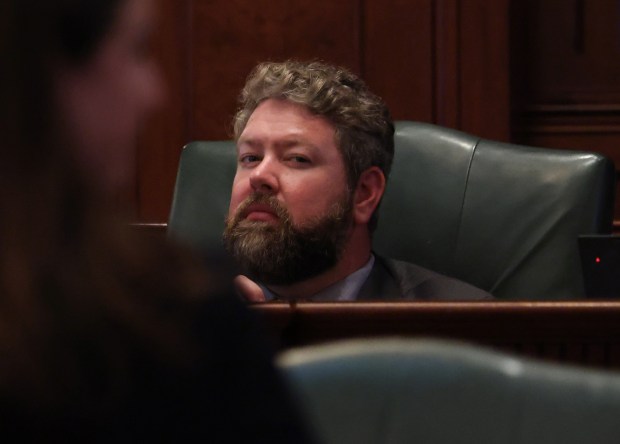
Last month, Illinois Legislative Inspector General Michael McCuskey released a report confirming sexual harassment allegations against former State Representative Harry Benton. One of the victims in the report, a female lobbyist, challenged McCuskey’s characterization of her experience. She accused him of misrepresenting her perspective and engaging in inappropriate conduct during the investigative process.
McCuskey dismissed the allegations of inaccuracies and stood by his reputation, asserting that his judgments have never been doubted by individuals regarding his credibility. However, the lobbyist persisted in her criticism, sending a letter to Illinois’ legislative leaders detailing her complaints about McCuskey’s approach.
The lobbyist alleged that McCuskey violated confidential norms and made inappropriate remarks during her interview about allegations against Benton. She claimed he disclosed the identities of other victims and confidential details of their cases without solicitation. Her letter was addressed to Illinois House Speaker Emanuel Welch, House Republican Leader Tony McCombie, Illinois Senate President Don Harmon, and Senate Republican Leader John Curran.
The letter followed McCuskey’s report, which outlined Benton’s pattern of sexual harassment involving the lobbyist and two other women. Benton resigned in July amid scrutiny from Welch regarding his handling of the situation.
McCuskey, upon receiving the lobbyist’s letter, stated that all allegations against him were discussed confidentially with the Legislative Ethics Commission. He chose not to comment further.
In response to the lobbyist’s concerns, Senate Republican Leader John Curran voiced apprehension about investigation process deficiencies. He emphasized the need for a thorough, independent investigation that respects victim confidentiality and prevents retaliation.
Steger Independent from the Senate, John Patterson, echoed the importance of maintaining professionalism and confidentiality in harassment investigations as part of the ethics laws. He suggested that changes were necessary if the process was not meeting its foundational goals.
The controversy intensified following McCuskey’s radio interview, where he acknowledged not taking notes during his interview with the lobbyist. Critics questioned his methods, although McCuskey claimed this approach preserved future victim confidentiality.
Beyond the lobbyist’s account, another woman accused Benton of inappropriate conduct at a Springfield bar. Welch delayed action against Benton until February, despite prior complaints from a Benton staffer about his behavior.
The lobbyist’s July 31 letter further accused McCuskey of breaching confidentiality by contacting her business partner and mother with details about her case. She detailed instances where McCuskey shared confidential information about other victims, revealing names and specifics not disclosed in public records.
The lobbyist also reported discomfort with McCuskey’s comments regarding her physical appearance during interviews. She found these remarks inappropriate and expressed concern over the lack of confidentiality as she exited his office.
Representative Jeff Keicher, chair of the Legislative Ethics Commission, acknowledged the seriousness of the lobbyist’s claims, asserting that the commission would address them while maintaining confidentiality.
Leave a Reply