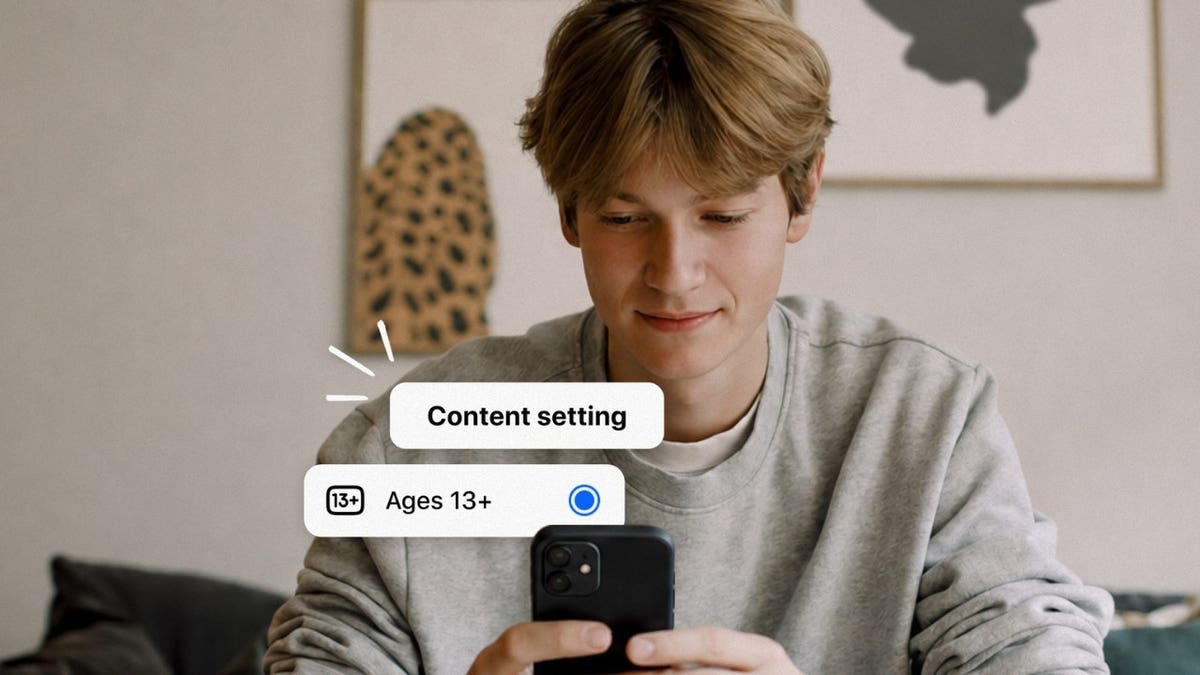
Meta, the parent company of Facebook and Instagram, has agreed to new guidelines designed to curb excessive screen time for teenagers. The settlement, approved by a judge on August 27, aims to reshape the way teens use social media.
The Two-Hour Limit
The agreement mandates a default two-hour daily cap on usage for Facebook and Instagram combined for users under 18. Once the limit is reached, parental permission is required to extend usage. This creates a firmer stopping point compared to previous reminders.
Usage across multiple accounts will count toward this limit if Meta detects that one teen operates more than one account. Direct messaging, time spent in settings, and qualifying long-form audio or video are excluded from this daily limit.
Night Mode
Night Mode restricts app access during overnight hours, specifically from midnight to 6 a.m. Most activities on Facebook and Instagram, including viewing and posting to areas such as Feed, Stories, Explore, or Reels, will be blocked during these hours. However, direct messaging remains available, allowing for communication with friends and family.
Push notifications will be disabled by default from 10 p.m. to 7 a.m., except for urgent account security or platform integrity alerts.
School Mode
School Mode addresses daytime distractions by muting most push notifications by default between 8 a.m. and 3 p.m., Monday through Friday, from August 15 to June 15. However, teens can still receive direct messages and urgent alerts.
Frequent Screen-Time Prompts
To help manage screen time further, Meta will implement more frequent reminders. Teens will get alerts every 15 minutes of continuous screen time and additional prompts at 60 and 90 minutes of usage. These reminders arrive before the two-hour limit is reached, ensuring the cap serves as a final boundary.
Control Over Viewing Experience
Teen accounts will have options for more personalized content settings. Teens can choose a non-personalized feed by default, avoiding recommendation algorithms. Autoplay can be disabled, requiring a swipe or tap to continue viewing content.
Changes to Likes and Appearance Filters
By default, likes and reaction totals will be hidden for teen accounts. Additionally, Meta will expand restrictions on appearance filters, blocking extreme makeup filters and cosmetic surgery filters.
Age Verification and Parental Controls
Meta is investing in technology to better identify accounts that belong to children under 13 and appropriately categorize users aged 13 to 17. Age detection is crucial to ensuring the efficacy of these protections.
Parental supervision tools will be expanded, offering notifications when teens link secondary accounts and updates on account usage and protective setting changes.
Industry-Wide Collaboration
Meta’s agreement emphasizes the need for industry-wide adoption of similar measures. Competitors TikTok and YouTube are involved in financial allocations tied to compliance with similar terms, including daily time limits and night mode restrictions.
Meta advocates for app stores to play a role in verifying users’ ages and obtaining parental approval before app downloads.
Oversight and Research
An independent auditor will annually review Meta’s compliance with the agreement over the next five years. Meta will also establish a foundation for social media research, providing consented user data to analyze teen well-being.
Tips for Parents
- Set up Meta’s parental supervision tools and discuss settings with your teen.
- Check screen time with your teen and set realistic limits based on actual use.
- Review privacy and contact settings to ensure safety.
- Confirm content safety settings are appropriate.
- Use phone-level controls for broader limits.
- Establish a nighttime routine for phone usage.
The settlement introduces significant changes by enforcing default protections for teens, aiming to foster safer social media environments for younger users.
Leave a Reply