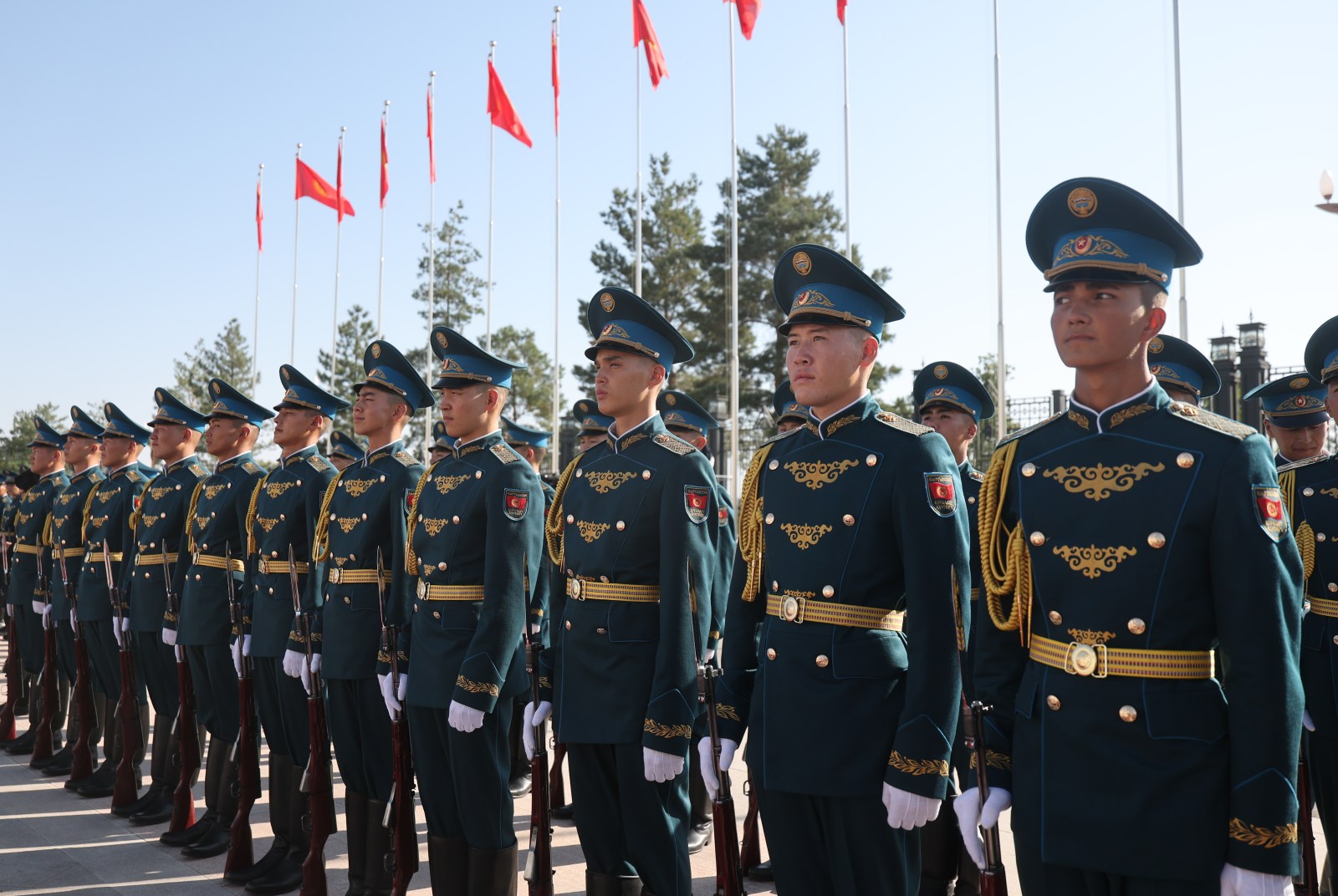
A crisis at the Nepal-Tibet border is capturing global attention; however, China’s leader Xi Jinping has prioritized other engagements. Instead of addressing the humanitarian situation, Xi has traveled west to Kyrgyzstan for the Shanghai Cooperation Organization (SCO) summit. The SCO marks its 25th year with this gathering in Bishkek, drawing leaders such as Vladimir Putin from Russia, Narendra Modi from India, and Iran’s President Masoud Pezeshkian.
The Strategic SCO Summit
Xi Jinping isn’t merely attending the summit to represent China; he seeks to reaffirm China’s position. Following a year of hosting global dignitaries, Xi prepares for an official visit to the United States in late September. The SCO summit, alongside the upcoming BRICS meeting, is part of Xi’s strategy to showcase China’s influence.
The SCO originated as the ‘Shanghai Five’ to manage post-Cold War border issues.
The SCO includes China’s Eurasian borders, particularly those with Russia. Since 2001, its role has evolved into a strategic platform largely skeptical of American influence. For Xi Jinping, it’s an opportunity to advocate for the Global Security Initiative and promote the yuan’s global usage.
Impact on Central Asia
Countries like Kyrgyzstan leverage the SCO to counterbalance Russia’s influence, inviting China strategically. This dynamic concerns Putin, though he is currently preoccupied with other priorities.
India poses another strategic element. As a nuclear power, India tries to maintain strategic autonomy amid shifting global alliances. Recent talks between Indian and Chinese officials aimed at easing Himalayan border tensions indicate neither country wants distractions.
The SCO’s collective membership comprises 40% of the global population and a quarter of its GDP, showcasing potential to rival Western alliances despite diverse political systems.
Challenges and Expectations
Skepticism surrounds the SCO’s capacity to counterbalance Western power effectively, given that its members include nations embroiled in conflicts or tensions such as Russia, Iran, India, and Pakistan. Nonetheless, adversaries to the West are organizing strategically, including plans to circumvent maritime routes vulnerable to the U.S. Navy.
Economically, China holds significant influence. It was the primary trading partner for most SCO members recently, and is capable of matching the U.S. in trade disputes.
This year’s summit aims to reinforce alternative narratives and support allies despite geopolitical tensions. Xi Jinping will carry the weight of anti-Western sentiment when he visits the U.S. on September 24.
China’s influence may deter aggressive moves from Russia, signifying Xi’s critical global role.
Xi’s portrayal as a potent world leader is vital. Recent internal politics, including purging a top military ally, signify his assertion of control. As Stubb noted in an interview, Xi’s alignment is pivotal in global decision-making.
This summit will further reveal Xi’s diplomatic tactics as he prepares to engage the U.S., attempting to project stabilized governance while indirectly questioning Trump’s administration.
Leave a Reply