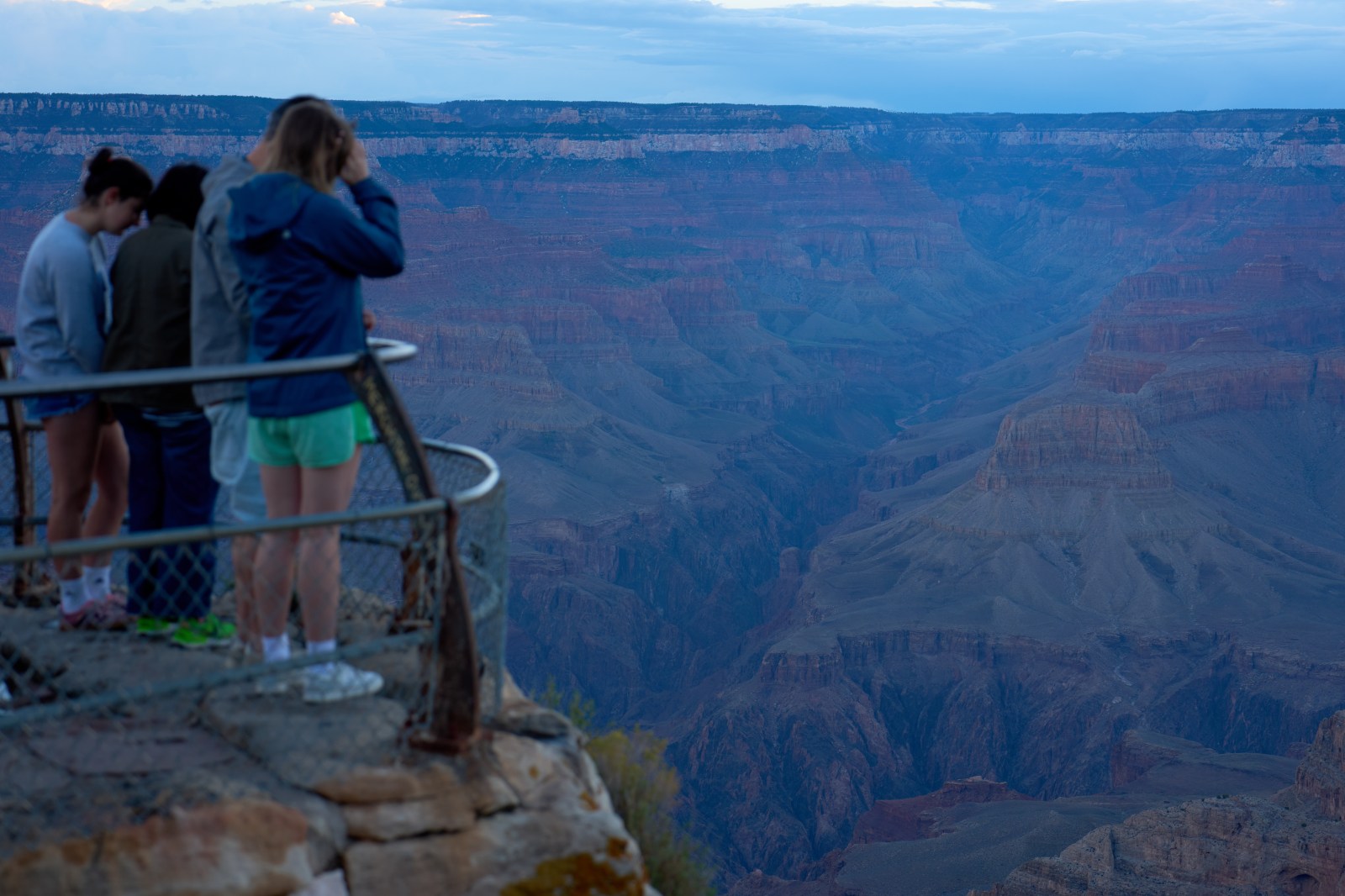
Two bodies have been found after severe flooding in the Grand Canyon, according to federal officials. The flooding on Saturday along Bright Angel Canyon damaged critical infrastructure, such as the Transcanyon Waterline, resulted in two fatalities, and left around 15 people missing.
A National Park Service (NPS) representative stated in an email on Monday that ‘two bodies have been recovered.’ Initial evaluations suggest that about 40% of the Transcanyon Waterline is either damaged or destroyed. Weather forecasts may influence the pace and timing of recovery operations.
NPS urges visitors to avoid the affected areas of the park in Arizona, which includes 278 miles of the Colorado River and nearby uplands. Impacted locations include Phantom Ranch, Bright Angel Campground, the Phantom Ranch Canteen, and the whole stretch of the North Kaibab Trail from the North Kaibab Trailhead to Phantom Ranch. Officials plan to update the situation during a press conference on Monday afternoon.
According to the National Weather Service in Flagstaff, thunderstorms were forecasted on Saturday before the destructive storm. Rainfall continued intermittently throughout the morning. A severe thunderstorm warning followed by a flash flood warning was issued at 2:30 p.m. and 2:42 p.m. respectively. The resulting storm produced up to an inch of rain in 30 minutes, causing the flash flood in the Grand Canyon.
What Made the Flooding Deadly?
The flooding began on Saturday with heavy rain overwhelming Bright Angel Creek, which channels water from the North Rim to the Colorado River. The creek turned into a violent flood, moving debris, boulders, and mud through popular hiking and camping zones within minutes.
Over 60 individuals were airlifted after bridges were destroyed and trails became unpassable. A 46-year-old man’s body was recovered Sunday evening near Crystal Rapids, with Arizona coroners at the scene. Another body was confirmed by NPS on Monday.
Hikers reported chaos as intense rains hit. Parth Desai, a physician hiking in Bright Angel Canyon, stated rain came with little warning. ‘We saw the creek flood, unexpected waterfalls, boulders, mud, and landslides.’ Desai was rescued by helicopter Saturday night.
The landscape has significantly changed. Torrents widened the creek bed, destroyed bridges, and extended or created river rapids, altering the canyon’s interior in ways requiring months to evaluate fully.
Why Is the Waterline Failure a Major Issue?
The flash flood severely impacted the already fragile water infrastructure at the park. The 12-mile Transcanyon Waterline, vital for providing drinking water to 6 million visitors and 1,600 residents, was heavily damaged.
With 40% of the pipeline gone, NPS says there is now too little potable water for overnight stays. Starting Monday, visitors are barred from staying in park lodges or hotels, and residents are urged to conserve water. ‘These measures are critical for water safety and sustainability,’ mentioned park officials.
The waterline has a history of failures, yet this incident is among the worst. While large storage tanks on the South Rim can store water, they cannot be refilled until repairs on the pipeline are complete.
A $208 million project launched in 2023 to upgrade the system could face delays. Jack Schmidt, director of the Center for Colorado River Studies at Utah State University, said, ‘If reconstruction is needed, where will the funding come from?’
What Are the Impacted Areas, and How Long Will Closures Last?
NPS has shut down a large section of the inner canyon as search-and-recovery operations continue. These areas remain closed until further notice:
- Phantom Ranch
- Bright Angel Campground
- Phantom Ranch Canteen and cabins
- North Kaibab Trail, from trailhead to Phantom Ranch
Visitors should avoid closed zones to not interfere with rescue efforts and for personal safety. The Arizona Department of Public Safety is helping with evacuations. Lodging in Tusayan, near the South Rim entrance, is available, but travel in the interior canyon is heavily restricted.
Is More Hazardous Weather Ahead?
Forecasters are watching possible threats from remnants of a tropical storm or hurricane, which might approach California shortly. This system may bring rain, wind, and dangerous conditions to the West Coast or veer into the Pacific.
Even if California doesn’t face a direct hit, storm moisture could move inland, increasing wet conditions over the Intermountain West, including the Grand Canyon.
Leave a Reply