The food and beverage industry has long been able to introduce new ingredients deemed safe without notifying the Food and Drug Administration (FDA). However, a new proposal could mandate that companies inform the FDA when adding new substances to human or animal food.
Current GRAS Process
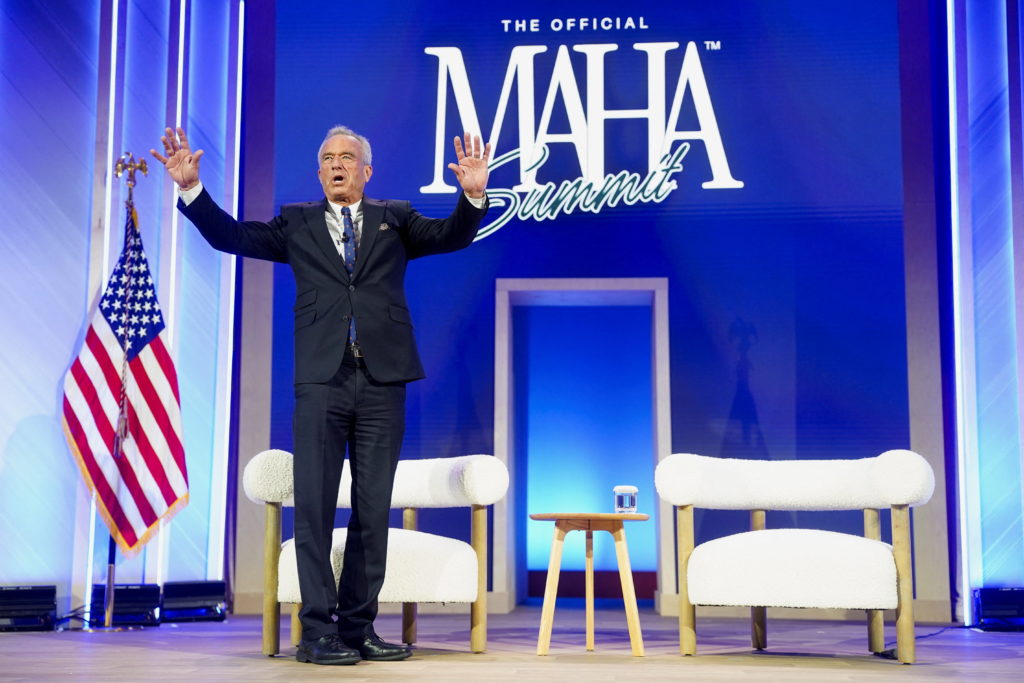
Currently, companies can self-certify ingredients as ‘generally recognized as safe’ (GRAS). This process does not require FDA approval before an ingredient is marketed. Health Secretary Robert F. Kennedy Jr. aims to change this with a proposal as part of his ‘Make America Healthy Again’ agenda.
The proposal seeks to fill an information gap criticized by food safety experts for years.
History and Use of GRAS
Congress created the GRAS exemption in 1958 for commonly accepted substances like salt and vinegar. Over time, companies have used GRAS for many more ingredients than initially intended. An analysis by the Environmental Working Group estimates that 99% of new food chemicals since 1958 have bypassed the formal FDA approval process through the GRAS pathway. Tara flour, linked to a 2022 illness outbreak, highlighted the potential risks.
Typically, companies provide voluntary GRAS notifications, hiring experts to justify the safety of new ingredients. However, these notifications are not mandatory and have not been required for marketing purposes.
Proposed Rule Changes
The new rule would mandate GRAS notifications, requiring companies to submit their rationale for ingredient safety to the FDA. While this does not equate to a full safety review, it closes the gap in information the agency receives. Economist Charles Benbrook notes that this is still a step short of the food additive approval process.
Ingredients already sold under self-affirmed GRAS would need a streamlined submission identifying their use. However, no detailed safety data would be required. The new rule raises questions about FDA’s ability to evaluate notices given staffing challenges, as noted by NYU’s Marion Nestle.
What Remains the Same
Even with the proposed changes, companies would not need to wait for FDA review before marketing their products. They could notify and sell simultaneously. Law professor Patricia Zettler and former FDA official Peter Lurie highlight the lack of enforcement mechanisms, questioning the proposal’s impact.
Impact on Food Safety
This proposal is part of the broader MAHA initiative, which targets food additives and chemicals. However, it does not address microbial food safety issues. Lurie draws attention to potential distractions from pressing dietary health factors.
Timeline and Public Input
The proposal is open for public comment until early December. Though changes will not happen immediately, public input can influence the final rule. The FDA must address comments and consider modifications before finalizing any rule.
Overall, the proposal represents a potential step toward greater transparency in the food supply.
Leave a Reply