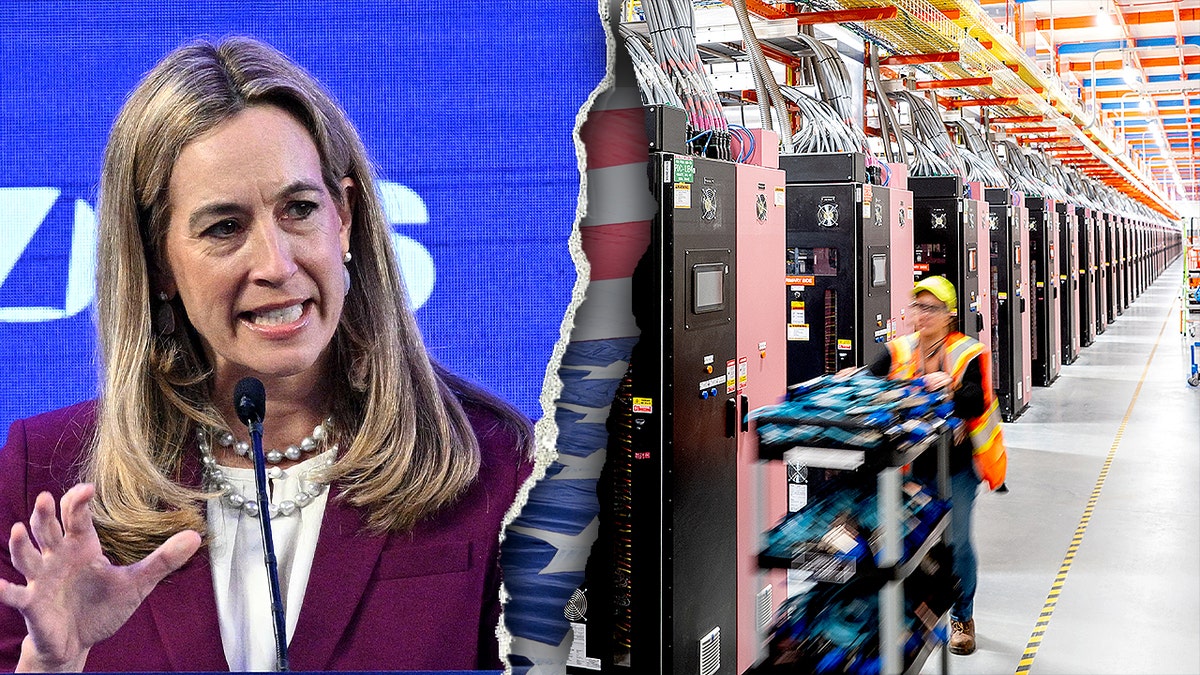
The growing demand for electricity due to the AI boom has led to different strategies by New Jersey and Indiana to address concerns that tech industries may affect utility rates. New Jersey Governor Mikie Sherrill introduced rules requiring large data centers to contribute to grid upgrades without impacting other customers’ bills. New regulations ensure these centers fund 85% of their required electricity for ten years and encourage them to use clean energy and efficient power management during crises.
Along with these rules, operators must report energy and water usage biannually, giving officials insights into the data centers’ impacts and assisting communities in negotiating with developers.

Indiana’s strategy, meanwhile, lacks statewide mandates. Instead, Indiana Michigan Power (I&M), along with tech companies and consumer advocates, negotiated a plan for data centers like Amazon’s $11 billion project and Google’s $2 billion investment. The agreement requires large users to commit financially to their requested electric services. This allows I&M to propose rate reductions for existing customers, potentially saving each household about $100 annually if approved in 2027. These plans may include a rate freeze for three years.
Daniel Turner from Power The Future expressed preference for Indiana’s flexible approach over New Jersey’s, though he called for new power generation integration. Turner emphasized the need for collaboration among stakeholders to ensure data centers contribute to overall power grid capacity.
The Trump administration has initiated a Ratepayer Protection Pledge involving major tech firms, obligating them to finance additional energy needs for AI data centers rather than affecting consumer bills. Turner highlighted the implications of the data center debate, emphasizing the U.S. importance in the AI race against international competitors like China.
Leave a Reply