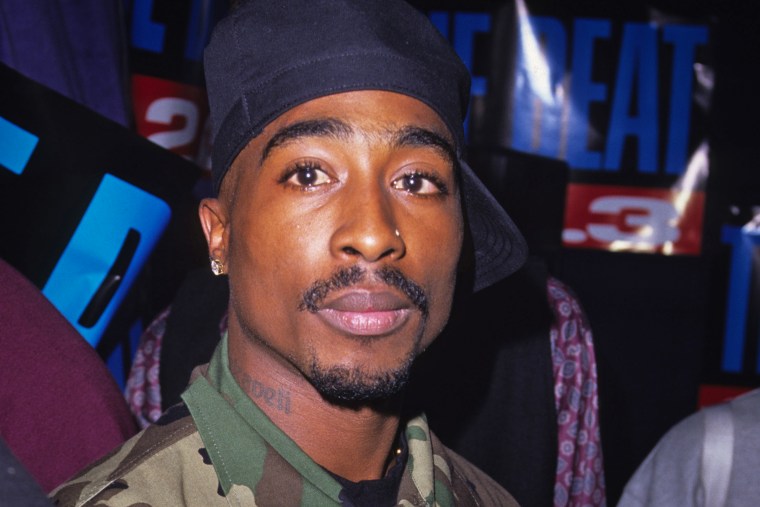
A man accused of orchestrating the murder of rapper Tupac Shakur has been found guilty of first-degree murder with the use of a deadly weapon. The 1996 slaying in Las Vegas had remained unsolved for decades, capturing the attention of hip-hop fans and true crime experts. Clark County prosecutors argued that Duane ‘Keffe D’ Davis, a former gang leader, sought revenge on Tupac after the rapper attacked his nephew.
Judge Carli Kierny has ordered Davis to remain in jail until his sentencing on October 13. Davis plans to appeal the decision. During the verdict, Davis’ son was visibly distressed, while Tupac’s sister, Sekyiwa Shakur, showed emotion in the courtroom.
Although Davis was not charged with pulling the trigger, Nevada law allows for someone who helps commit murder to be convicted. Prosecutors highlighted that Davis was the only surviving individual from the car involved in the shooting.
The trial offered closure on part of a mystery that has captivated many for years. Tupac Shakur, recognized as one of the most influential rappers, continues to attract new listeners. Chief Deputy District Attorney Binu Palal stated Davis went searching for Tupac and Suge Knight after they were seen beating his relative at the MGM Grand Hotel, which led to Tupac’s ultimate fatal shooting.
Jurors viewed old VHS footage and listened to law enforcement accounts of the infamous altercation that occurred prior to Tupac and Knight being shot. Knight survived, but Tupac succumbed to his injuries six days later.
Davis had previously cooperated with federal investigators in 2008 regarding another case, believing he had immunity. However, he wasn’t protected from future charges related to Tupac’s murder. In his 2019 memoir, ‘Compton Street Legend,’ Davis confessed to his involvement in the crime, sparking renewed investigation.
Jurors spent nearly two weeks listening to testimony from investigators who explored the case over 30 years. This investigation took them from Las Vegas to Compton, amid gang conflicts. Former officers described difficulties in tying the crime from Las Vegas back to those involved in Compton.
Defense attorney Michael Sanft questioned the credibility of Davis’ claims, suggesting he exaggerated stories for fame and financial gain. He pointed out a lack of physical evidence placing Davis at the crime scene. Sanft stated jurors should question the reliability of verbal confessions without solid evidence.
Leave a Reply