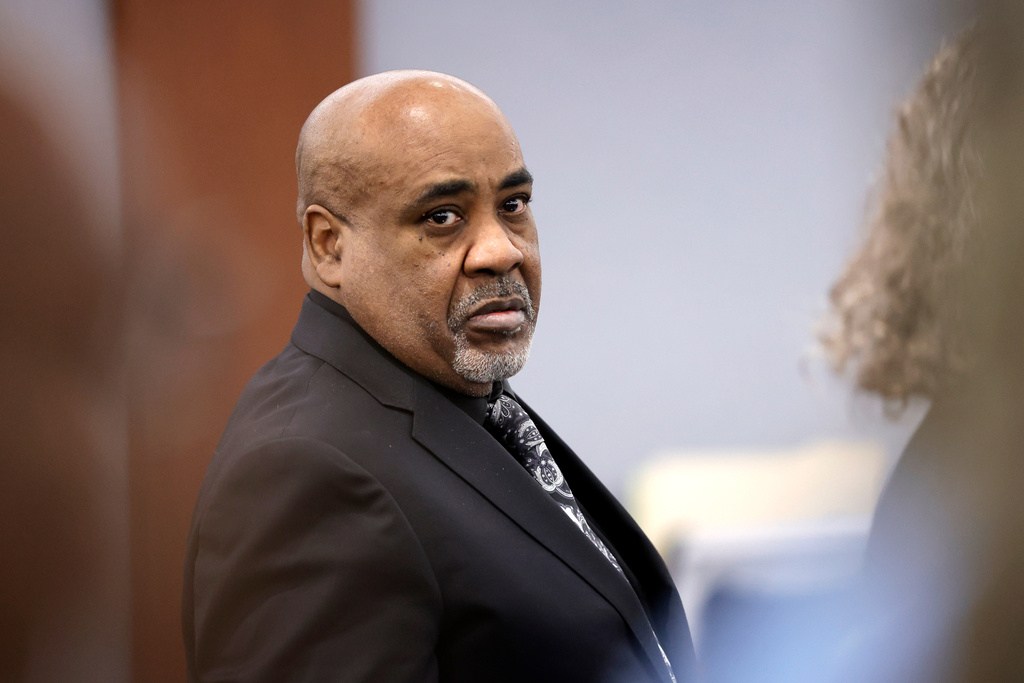
Introduction to the Davis Trial
The trial of Duane ‘Keffe D’ Davis has reached the deliberation stage. Jurors in Las Vegas weigh the evidence in the case concerning the 1996 murder of rapper Tupac Shakur. The prosecution primarily relied on historical statements made by Davis over the years, which prosecutors argue amount to a confession.
Prosecution’s Argument
Prosecutors claim Davis’ own words act as a substitute for missing physical evidence. Over several years, Davis admitted to being involved in Shakur’s killing in various media, including interviews, documentaries, and his memoir. They argue that Davis’ admissions remain consistent in their core facts, making it unnecessary to have surveillance footage or receipts to place Davis in Las Vegas on the night of the murder. Instead, they emphasize his repeated statements placing himself there.
Davis urged people to read his memoir for the ‘real truth,’ calling it a ‘textbook admission,’ where he described obtaining the gun and being involved in the shooting.
Defense’s Counter Argument
The defense argued that Davis’ statements are fictional, crafted for profit and notoriety. They said his account does not match witness testimonies or physical reality, noting discrepancies in his narrative. For example, some witnesses denied seeing Tupac Shakur hanging out the car window, a detail Davis consistently relayed.
The Role of Gang Retaliation
Prosecutors highlighted the gang retaliation motive, pointing out the incident with Orlando Anderson. They used testimony to suggest that gang culture at the time deemed violent retaliation necessary. Meanwhile, the defense questioned the credibility of this perspective, pointing out the lack of evidence for the alleged Lakewood Mall fight that supposedly instigated the murder.
Issues with Police Evidence
The defense pointed out potential mishandling of evidence and compromised police records, arguing critical reports could be missing or mishandled. They emphasized that no physical evidence, such as phone records or surveillance footage, places Davis in Las Vegas. They highlighted inconsistencies related to the Cadillac supposedly used in the shooting, which was never thoroughly investigated by police.
Debating Davis’ Role
Prosecutors portrayed Davis as a shot-caller responsible for organizing and executing the attack. The defense countered there is no proof that Davis ordered the hit. They emphasized that the case’s age makes it inherently unreliable, with crucial evidence and witnesses no longer available.
Unique Structure of the Case
The case is unusual in structure, built largely from Davis’ statements without traditional physical evidence. This deprived the defense of opportunities for cross-examination. Jurors instinctively distrust cases revived after decades, increasing skepticism over the prosecution’s evidence.
Potential Outcomes
Legal experts suggest the jury may consider different degrees of murder or even split their verdict on the gang enhancement. If convicted, Davis faces a potential life sentence. Any conviction will likely lead to immediate appeals focusing on the nature of Davis’ statements and jury instruction issues. The trial outcome depends heavily on how jurors interpret the historical statements amid the absence of direct evidence.
Next Steps
Once the jury makes a decision, they will announce the verdict in court. A conviction may lead to a life sentence for Davis. If jurors remain deadlocked, the judge might direct further deliberation, or declare a mistrial if a consensus is unreachable.
Leave a Reply