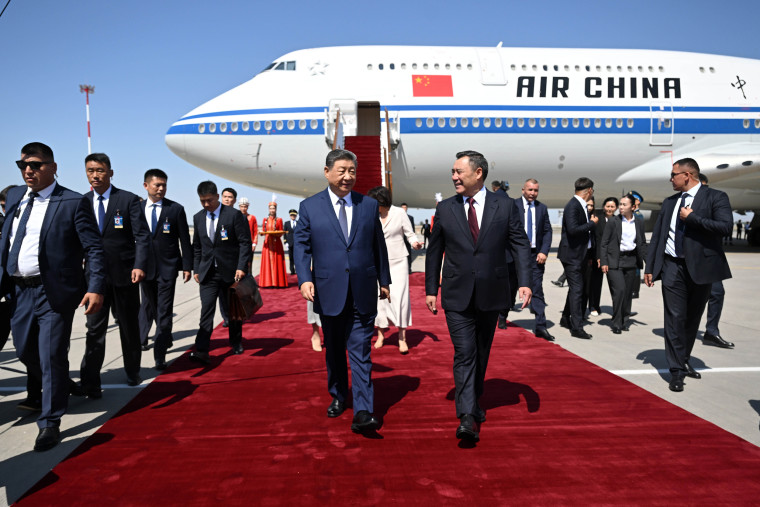
The Shanghai Cooperation Organization (SCO) summit took place in Kyrgyzstan, gathering leaders from nations such as China, Russia, and India. This meeting is seen as a counterbalance to U.S. international dominance.
Key Attendees
Chinese President Xi Jinping, Russian President Vladimir Putin, and Indian Prime Minister Narendra Modi attended the summit in Bishkek, the Kyrgyz capital. Putin held bilateral discussions with both Xi and Modi, reinforcing Russia’s growing relationship with China and India. He promised Xi to make the visa-free travel arrangement with China permanent.
Russian relations with Iran were also on the agenda, as Putin planned meetings with Iranian President Masoud Pezeshkian, amid increased tensions with Western nations due to Russia’s ongoing invasion of Ukraine and Iran’s conflicts with the United States and Israel.
Discussion Points
Modi voiced India’s call for an end to the hostilities in Ukraine, emphasizing the importance of peace for humanity. The SCO, initially founded as a security forum in 2001 by China, Russia, and four Central Asian countries, has now expanded to include ten nations, including India, Iran, and Pakistan.
SCO’s Wider Goals
The SCO has taken steps to enhance regional cooperation and create an alternative to Western alliances. China and Russia support this vision, promoting development through assistance and international collaborations.
Challenges and Opportunities
Despite these efforts, the SCO faces internal disagreements among member states. Analysts point out its lack of political or military unity. India’s participation in the summit is primarily for strategic positioning rather than achieving concrete outcomes. The forum offers India insight into regional dynamics and facilitates its strategic interests.
Turkey also engages with the SCO, balancing its existing ties with the West while strengthening its role in Eurasia. As a dialogue partner, Turkey aspires to become a permanent member, despite stalled EU membership efforts.
Local Impacts
The summit’s security measures led to temporary closures of markets and malls in Bishkek and restrictions on airport operations. Traffic and school schedules were adjusted, and a non-working day was declared for public employees in the capital.
Leave a Reply