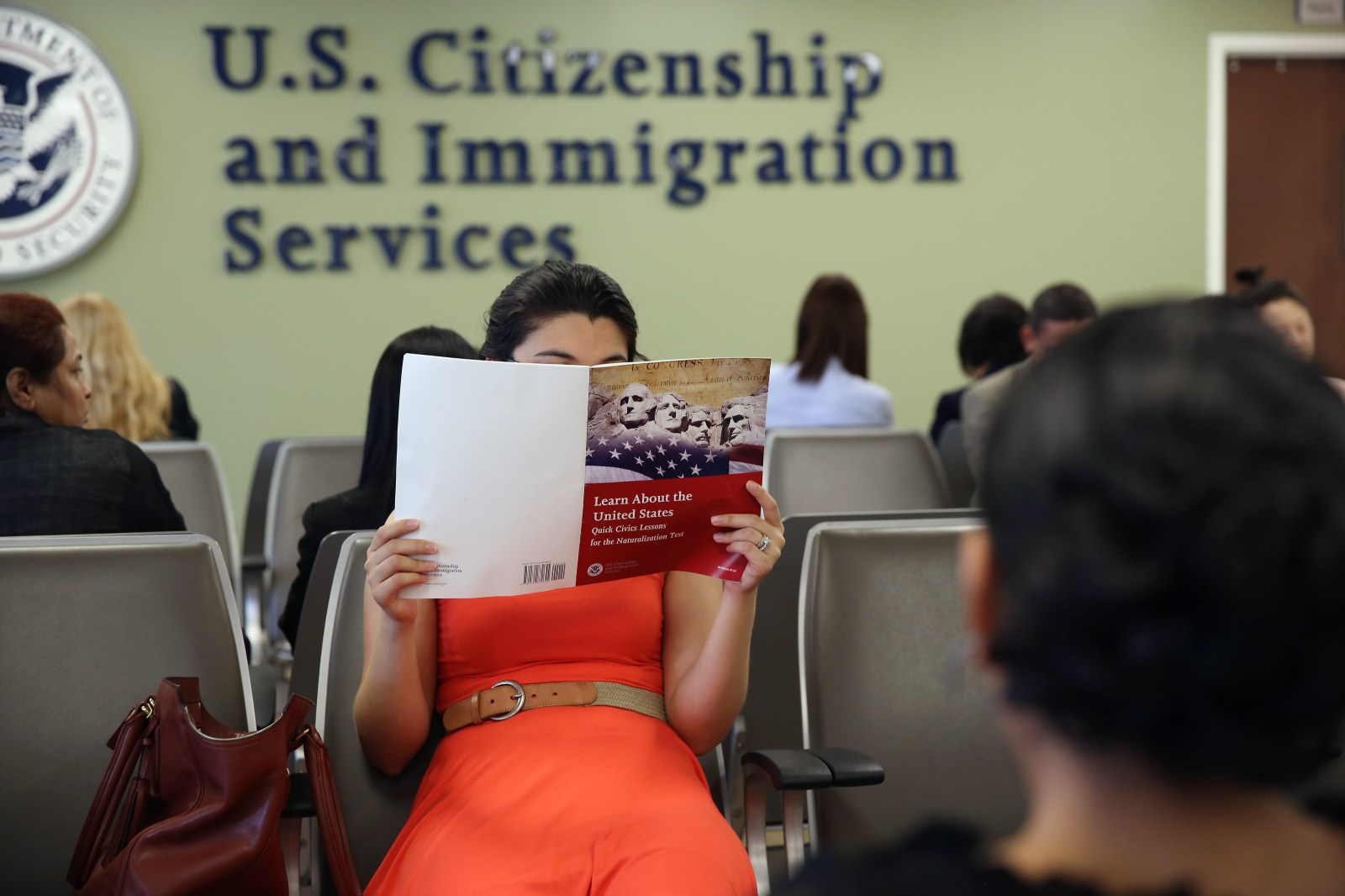
The U.S. Citizenship and Immigration Services (USCIS) has procured body-worn cameras, marking a significant development for an agency primarily associated with processing immigration benefits. This move comes as an expansion of its investigative and enforcement powers. According to federal procurement records, USCIS awarded a contract worth $159,675 to Axon for body-worn cameras, along with related equipment, storage services, and training. The contract, initiated on September 1, will continue through August 31, 2027, with activities centered in Maryland.
USCIS’s Evolving Role
Historically, USCIS’s role has been largely different from that of enforcement-focused entities within the Department of Homeland Security, such as Immigration and Customs Enforcement (ICE) and Customs and Border Protection (CBP). The purchase of body-worn cameras underscores this transformation as USCIS expands beyond processing immigration benefits to encompass more enforcement activities.
The agency is recruiting and training special agents equipped with the authority to make arrests, carry firearms, and execute warrants. This initiative aims to bolster capabilities in investigating immigration fraud, national security threats, and other violations of immigration law.
Insights from Former Officials
“To my knowledge, USCIS has not previously purchased or used body-worn cameras for its personnel before,” observed Douglas S. Pierce, a former USCIS supervisor who retired after over 30 years with the Immigration and Naturalization Service and USCIS.
Records do not specify the number of cameras purchased or details of their deployment. USCIS spokesperson Zach Kahler emphasized the importance of accountability, transparency, and safety, asserting that body-worn cameras support these goals in specific settings.
Changing Roles for USCIS Agents
Body cameras are likely to be used by officers undertaking site inspections, home visits, or by personnel involved in investigations and search-warrant operations. USCIS is increasingly adopting capabilities more typically associated with federal law enforcement agencies.
In September 2025, USCIS announced the creation of special agent roles authorized for law enforcement duties. The agency is also expanding its Homeland Defenders program, integrating over 700 personnel trained in immigration law, national security, and fraud detection.
A recent policy reinstates neighborhood investigations for the naturalization process. Officers may gather information from non-government sources when assessing citizenship qualifications.
Remarks by Industry Experts
Adam Klein, co-founder of Globali.ai, noted the shift, saying, “More than two decades later, USCIS is adding special agents with law-enforcement authorities, recruiting ‘Homeland Defenders’…and now purchasing body-worn cameras.”
USCIS, traditionally a public-facing immigration benefits agency, is redefining its mission through these developments.
Expansion of Tools within DHS
Observers are questioning how USCIS will manage its expanding roles. The size of the contract suggests that the prevalence of body-worn cameras is currently modest, potentially indicating a pilot program.
A contracted acquisition through a DHS vehicle facilitated the purchase, with the same equipment supplier previously servicing larger contracts for ICE and CBP.
ICE has progressed in body-camera use nationwide, following lethal incidents in enforcement operations. The comparison indicates USCIS’s contract is considerably smaller.
Key uncertainties persist. USCIS has withheld details on camera distribution, additional procurement plans, and the specific roles expected to use the equipment. This evolves USCIS’s mission beyond adjudicating immigration benefits.
“If USCIS personnel are being equipped with body cameras because they will be performing functions traditionally associated with law enforcement, then the cameras are a small part of a much larger shift: USCIS is moving away from the public-facing immigration benefits agency created in 2003 and toward something fundamentally different,” Klein remarked.
Leave a Reply