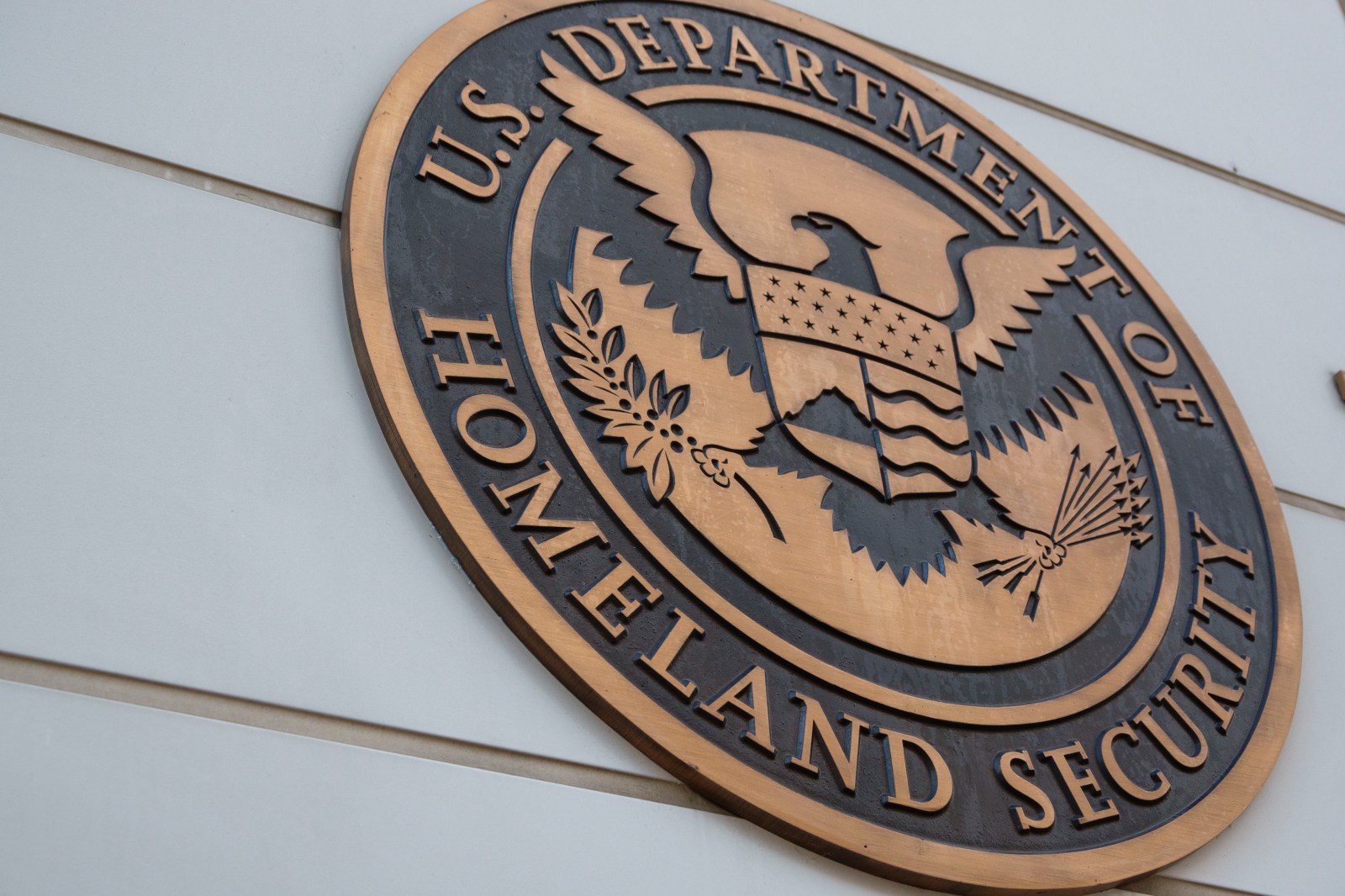
The Department of Homeland Security (DHS) plans to broaden the scope of individuals exempt from birthright citizenship by issuing green cards instead. A draft filing in the Federal Register indicates that DHS aims to exclude the children of certain foreign government employees from automatic citizenship under the 14th Amendment. This proposal expands beyond the current exclusion, which only applies to diplomats and ambassadors.
This initiative is part of a series of efforts by the Trump administration to limit birthright citizenship, despite a U.S. Supreme Court decision affirming that children born on U.S. soil are citizens as specified in the constitutional amendment. The proposed interim rule would enable specific children born in the U.S. to foreign government employees to obtain lawful permanent resident status. They would not be considered U.S. citizens at birth unless one parent holds U.S. citizenship.
DHS elaborated that under this new rule, the current regulatory framework for children of foreign diplomatic officers would be replaced by a broader category labeled as “foreign government employees.” This category excludes such individuals from being “subject to the jurisdiction of the United States” for birthright citizenship purposes, unless one parent is a U.S. citizen.
“The rule is legally and constitutionally deficient,” said David Bier, director of immigration studies at the Cato Institute. “DHS lacks authority to declare certain categories exempt from U.S. jurisdiction, unless they are granted immunity like ambassadors.”
Under the proposed regulation, the following would be included:
- Foreign diplomatic officers accredited to the United States
- Personnel working for foreign embassies or consulates
- Individuals serving foreign governments in official roles
- Employees of international organizations with immunity
These individuals can apply for lawful permanent resident status through the existing immigration process. If approved, they become permanent residents from birth.
This shift ties to Executive Order 14418, signed by President Trump, which instructs agencies to prevent certain U.S.-born individuals from receiving citizenship documents. DHS cites the administration’s interpretation of the 14th Amendment, which defines qualifications for birthright citizenship, as the basis for the change. They argue children of foreign government employees are excluded from citizenship if neither parent is a U.S. citizen.
Unlike existing exceptions for diplomats, this rule notably extends to other foreign government personnel, emphasizing that diplomats’ exemption stems from their unique legal status. Children of diplomats have long been excluded from automatic citizenship, a distinction that originates from their limited subjection to U.S. law. This proposal, however, broadens the scope.
DHS acknowledges that the proposal’s enactment is limited by an injunction in Casa Inc. v. Trump, a federal challenge to birthright citizenship policies. DHS states it will comply with existing court orders unless the government receives relief from the injunction.
The proposal will be published in the Federal Register on September 9 and will take effect immediately, while DHS collects public comments. It applies to children born on or after the effective date, leaving those born previously unaffected.
The proposal raises questions about the administration’s expanded view of who is excluded from birthright citizenship protections. While the diplomat exemption is recognized, applying similar restrictions to a wider group poses fresh legal and political challenges.
Leave a Reply