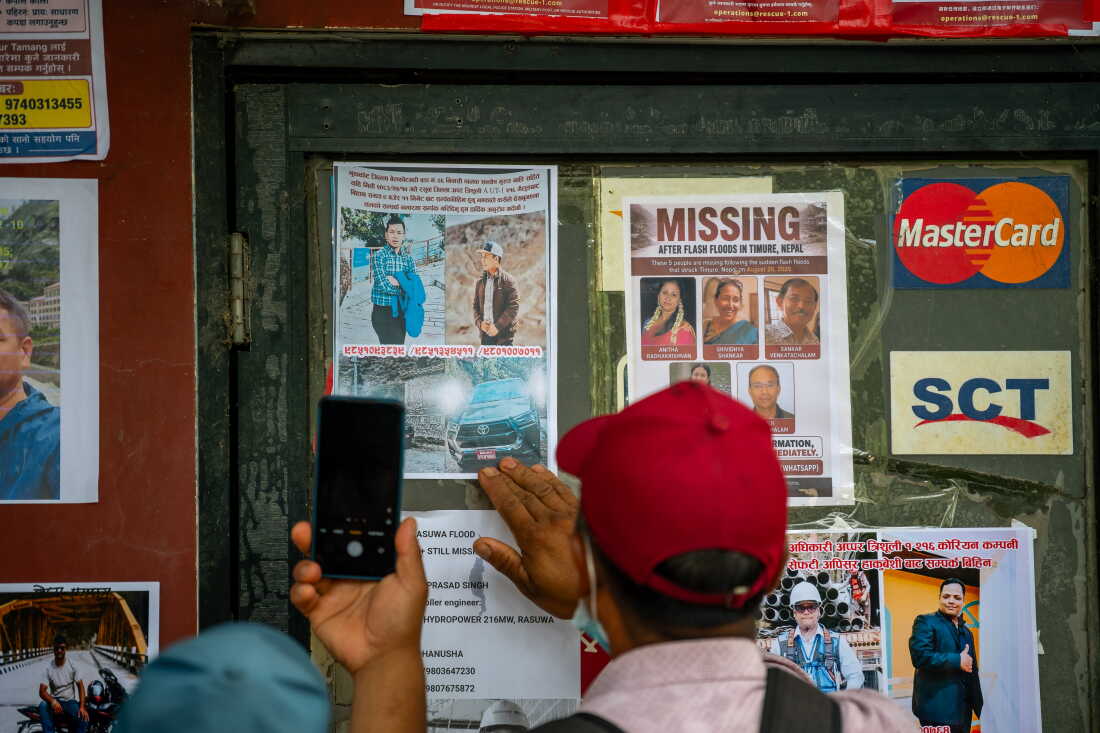
More than 5,600 individuals remain unaccounted for after severe flash floods ravaged Nepal. The floodwaters swept through various regions, including Bidur municipality, leaving no trace of what once was a thriving community of approximately 60,000 people nearby the Trishuli River.
Impact on Infrastructure and Health Access
Shushma Bhusal, from the International Federation of Red Cross and Red Crescent Societies, described the extent of the destruction. Buildings were swept away, and crucial infrastructure like the local hospital’s bridge is now destroyed. What once took a mere ten minutes to cross now takes ten hours on foot, isolating communities from essential health services.
Due to these isolations, emergency medical response and regular health services are severely disrupted. The floods claimed the lives of at least 1,200 people in Nepal and Tibet. Health centers have suffered considerable damage, and access to medical treatment remains difficult due to obstructed roads and power outages.
UNICEF has been setting up medical tents to support pregnant women and distributed basic hygiene kits to 19,000 individuals. Chronic condition patients suffer due to disrupted medication access, worsening their health conditions.
Amidst these challenges, clean water scarcity raises the threat of waterborne diseases like cholera. Overcrowded temporary shelters may facilitate the spread of airborne diseases.
Mental Health Crisis Emerges
The floods also triggered a grave mental health crisis. Around 2,500 to 3,000 displaced individuals are accommodated in makeshift centers. Many are experiencing profound emotional distress and loss.
Ayush Joshi from Save the Children observed hope mixed with despair among children in a temporary holding center. Every helicopter flying overhead seemed to fuel the hope of finding missing loved ones.
Many survivors, including young children, recount traumatic experiences. One child’s recount of witnessing her friends swept away underlines the emotional weight they bear. Similarly, a rescuee expressed distress in simply surviving while losing her family.
Organizations like Save the Children are providing psychological support, but mental health often receives inadequate attention during such crises. There is a compelling need to extend focus beyond immediate physical survival.
Leave a Reply