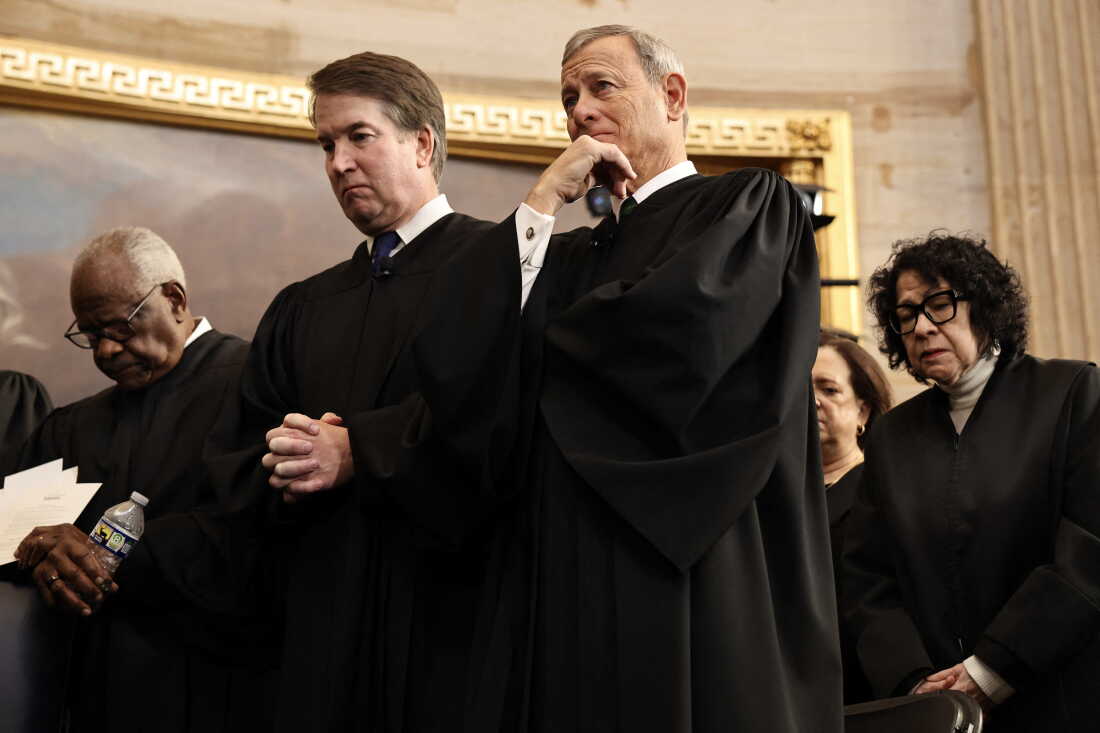
In recent years, oral arguments at the Supreme Court have increased in length. Sessions that once lasted an hour now stretch well beyond, testing the patience of some justices. Chief Justice John Roberts is contemplating changes for the new term starting in October.
Historical Perspective
The Supreme Court traditionally adhered to strict time limits for oral arguments. Cases were typically allotted 60 minutes, enforced by the late Chief Justice William Rehnquist. He was known for stopping arguments as soon as the allotted time expired.
Times have changed. Contemporary arguments often extend to 90 minutes or more. Adam Feldman, who analyzes Supreme Court data, notes this trend.
Changes Due to COVID-19
The COVID-19 pandemic led to modifications in argument format. Advocates introduced their cases without interruption, followed by justices asking questions individually before open discussions. These changes were necessary for order during telephonic sessions.
“The purpose during COVID was you couldn’t see each other telephonically, so there had to be some ordering or it would have been really messy,” said Feldman.
Importance of Oral Arguments
Oral arguments hold significant value, especially as the court faces declining public opinion polls. Emory University law professor Tonja Jacobi highlights their transparency as a crucial aspect of the decision-making process.
“Oral argument is the one open part, the one transparent part of the Supreme Court’s decision-making process,” said Jacobi.
Impact of Format Changes
Some changes have been welcomed, including increased participation from Justice Clarence Thomas. He now asks the first question due to his seniority. However, Jacobi notes that the rate of interruptions during arguments remains unchanged.
Justice Ketanji Brown Jackson speaks the most among the court’s three liberals, followed by Justice Sonia Sotomayor, an Obama appointee. Jacobi explains that justices expecting to be on the losing side tend to speak more to persuade others.
Challenges with Lengthy Arguments
Chief Justice Roberts indicated this summer that the prolonged arguments need addressing. Former acting Solicitor General Jeff Wall acknowledges the difficulty in shortening them.
“It’s like when I’m on a conference call and I want someone to stop talking. There’s no easy way to get people to talk less,” Wall remarked.
Feldman believes Roberts is working behind the scenes on time management for the justices.
Global Comparison
Jacobi notes that in countries like Australia, oral arguments can last for days instead of minutes, indicating different judicial practices globally.
Changes to the format may be unveiled on October 5, as the court begins its new term.
Leave a Reply