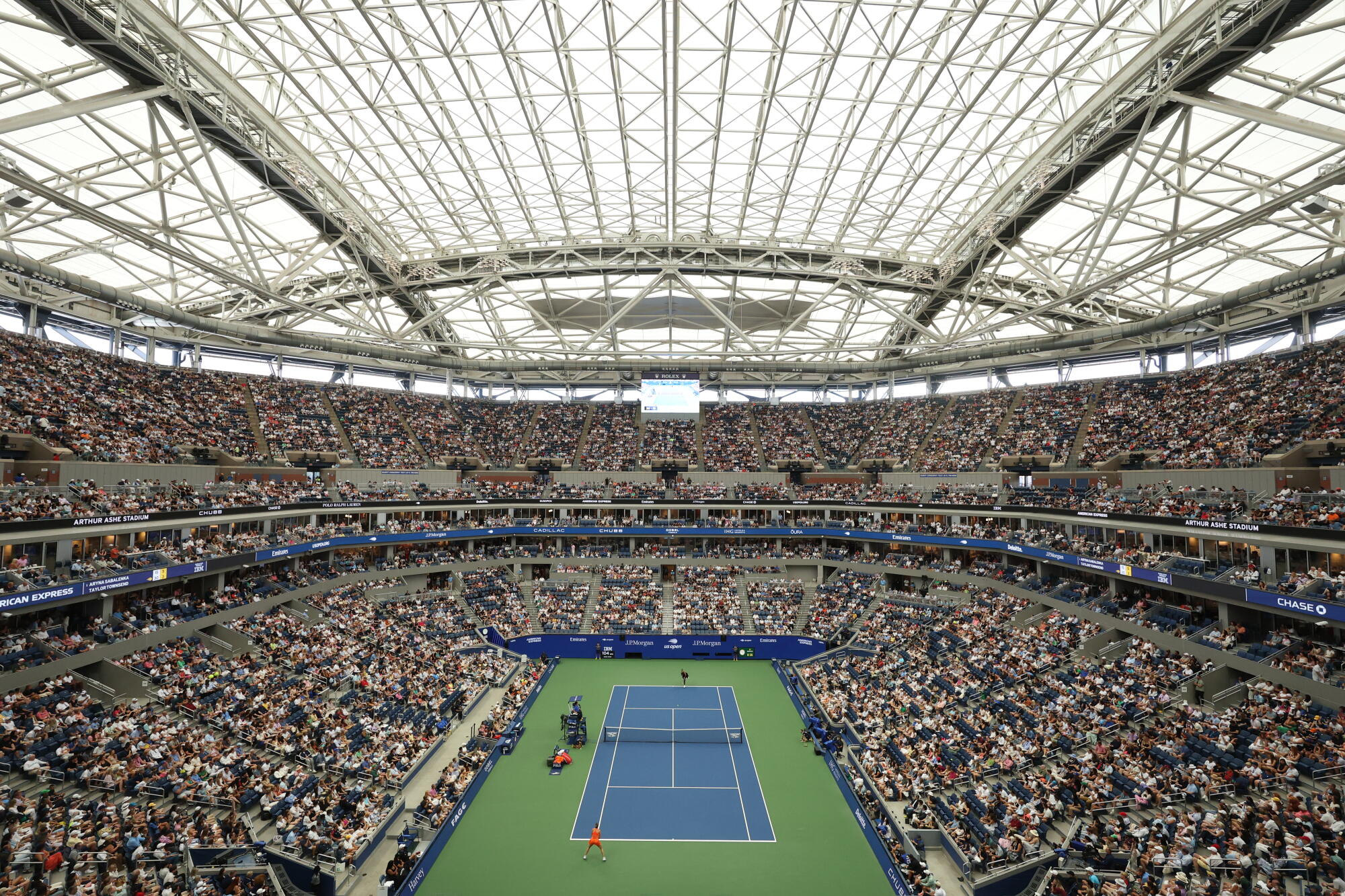
The U.S. Open is renowned for its vibrant and chaotic atmosphere. It stands out among the four Grand Slam tournaments for its distinctive New York energy. However, recent observations have raised concerns about when the ambiance may overshadow the sport itself.
The Unique Atmosphere of the U.S. Open
The matches frequently extend past 2 a.m., with noise and chaos filling Arthur Ashe and Louis Armstrong stadiums. The atmosphere, vibrant and unmistakably loud, sets it apart. Social media influencers add another layer, filming content during the games. Aryna Sabalenka, world number one, highlighted issues when complaining about the strong smell of marijuana during a match.
You can do whatever you want, but not around the tennis courts.— Aryna Sabalenka
Noise and distractions are not new to Flushing Meadows. Since the tournament moved in 1978, nearby LaGuardia Airport jets and rumbling trains have added to the chaos. Late-night matches and spirited fans contribute to unpredictable conditions. A memorable moment in 1979 involved a match between Ilie Nastase and John McEnroe, leading to crowd unrest and chair umpire Frank Hammond’s replacement.
Challenges Posed by Modern Influences
The advent of social media has introduced new dynamics. During Naomi Osaka’s match, influencers drew attention with their content creation. This sparked debates on the appropriateness of such activities at sporting events. Osaka recognized the potential of engaging new audiences but stressed the need for respect and proper conduct during matches.
If you’re invited to a red carpet, you wouldn’t show up in jeans.— Coco Gauff
Coco Gauff, U.S. Open champion, emphasized educating attendees invited by brands about tennis etiquette. The balance between creating a lively atmosphere and avoiding interference becomes crucial for players. Noise and crowd movement can affect players’ performance by making it difficult to hear the ball during play.
Adapting to Late Matches and Rowdy Environments
The tournament often features late-night matches, questioning whether such scheduling is fair to athletes. For some players, including Venus Williams, playing past midnight challenges their ability to perform optimally. Yet, many embrace the vibrant atmosphere, finding it enhances the enjoyment of matches as long as it doesn’t interfere with play.
The desire for balance is reflected in reactions from players like Learner Tien and Sabalenka, who appreciate the energetic ambiance. U.S. Open Chief Executive Craig Tiley aspires to expand this atmosphere, envisioning a ‘tennis Disneyland’ to capture younger audiences accustomed to dynamic sporting experiences.
Maintaining Tradition Amid Change
Jessica Pegula points out that learning tennis etiquette is vital for newcomers, hoping increased focus will lead to more informed spectators. As tennis evolves, integrating modern elements while preserving core traditions becomes imperative.
Leave a Reply