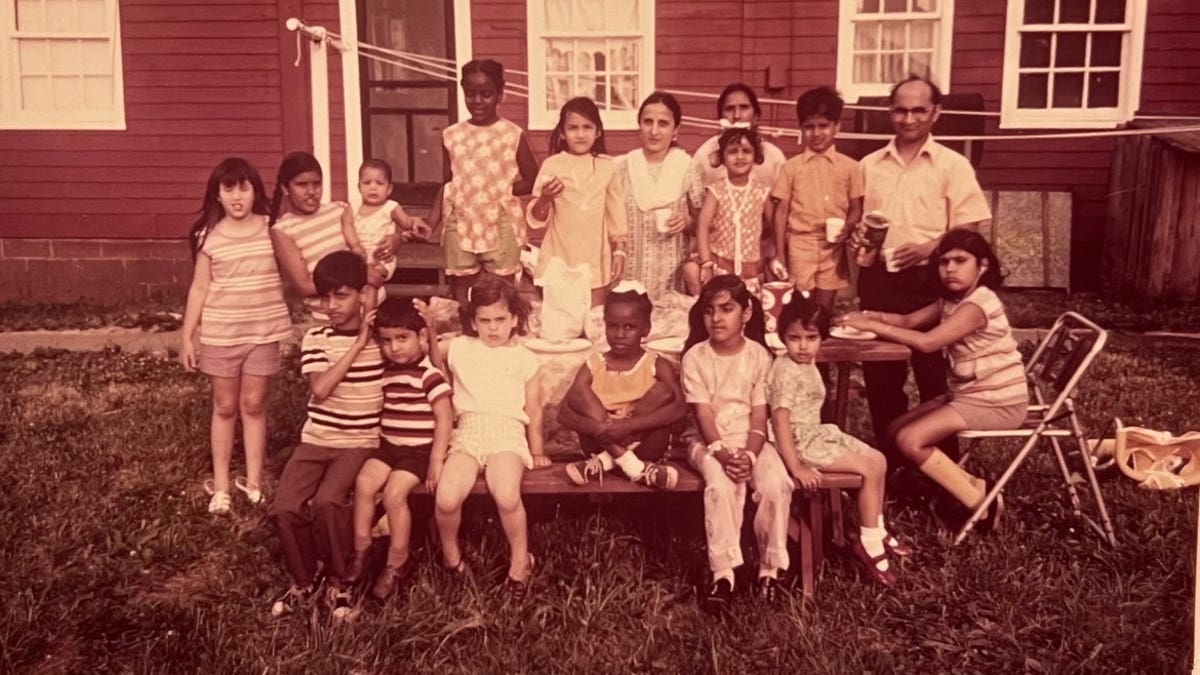
In 1962, Zafar Nomani, a visiting teacher from India at Kansas State University, encountered a moment that would forever shape his life perspective. He saw his professor washing cars alongside students at a campus event. That image epitomized the dignity of labor for him.
Decades later, as his family mourns his passing at 93 in Morgantown, W.V., his daughter reflects on the lessons imparted by his life of service and gratitude. Her father’s philosophy was simple but profound: he lived by ‘I get to,’ rather than ‘I have to.’
Living a Life of Gratitude
Born in India in 1933, Zafar Nomani grew up amid hardship, including the Bengal famine of 1943. These experiences ingrained in him a mindset of appreciation. Whether facing the daily challenges of study and family life or the adversities of immigration, he viewed them through the lens of opportunity.
His daughter once believed her strength lay in resisting his authority. Now, she understands that it stemmed from the foundation he built. His actions enabled her independence and shaped her into a journalist capable of challenging the status quo.
A Life of Service
Zafar’s devotion extended beyond family. He supported his wife in opening a business and never hesitated to drive his children towards opportunities. His service was not always accompanied by words but was evident in his actions.
The Passing of Wisdom
In his final years, Zafar’s service to his daughter extended to emotional support. When she faced personal challenges, his instinct was to provide unconditional love. His service was rooted in understanding and quiet strength, building a home for his grandson and supporting his family however he could.
Understanding Dignity
Zafar Nomani’s life was a testament to dignity not found in titles or accolades but in the humble acts of serving others. The lessons he taught through his actions resonate deeply, emphasizing the value of labor in its purest form.
This Labor Day, his daughter realizes the legacy he has left: the understanding that service enriches not only the lives of those served but also the one who serves. It is about fulfilling roles with gratitude, a lesson now deeply ingrained in her own life.
Leave a Reply